Table of Contents (click to expand)
- First Wave Feminism: Pioneering Equality And Suffrage
- Second-Wave Feminism: Challenging Patriarchy And Cultural Norms
- Third-Wave Feminism: Embracing Diversity And Intersectionality
- Key Academic Texts On The Three Waves Of Feminism
- A Fourth Wave?
- How Many Waves Of Feminism Are There?
- A Timeline Of The Feminist Movement
- Waves Vs. Types Of Feminism: What’s The Difference?
- Conclusion
Feminism is commonly categorized into three waves of activism (suffrage and legal rights, then cultural patriarchy and reproductive freedom, then intersectionality and diverse voices), with a debated fourth wave centered on digital activism emerging in the early 2010s.
Feminism, as an ideology and movement, has undergone a significant evolution over the past century. The concept has transformed through various phases, each marked by distinct objectives, challenges, and achievements.
Feminism’s journey is often categorized into three waves, each building upon the achievements and addressing the limitations of its predecessor. This article delves into the essence of each wave, tracing its origins, highlighting its major themes, and examining its contributions to advancing gender equality.
First Wave Feminism: Pioneering Equality And Suffrage
The first wave of feminism emerged in the late 19th and early 20th centuries, primarily in Western societies. Its main focus was on securing legal rights for women, particularly in the realms of property ownership and suffrage. At its core, first-wave feminism sought to challenge the societal norms dictating “proper” behavior and legal structures that relegated women to inferior positions.
One of the pivotal events of this wave was the Seneca Falls Convention of 1848, where activists like Elizabeth Cady Stanton and Lucretia Mott advocated for women’s suffrage and issued the Declaration of Sentiments, which outlined the injustices faced by women. The movement gained momentum over the subsequent decades, leading to significant milestones, such as the passage of the 19th Amendment in the United States, granting women the right to vote in 1920.
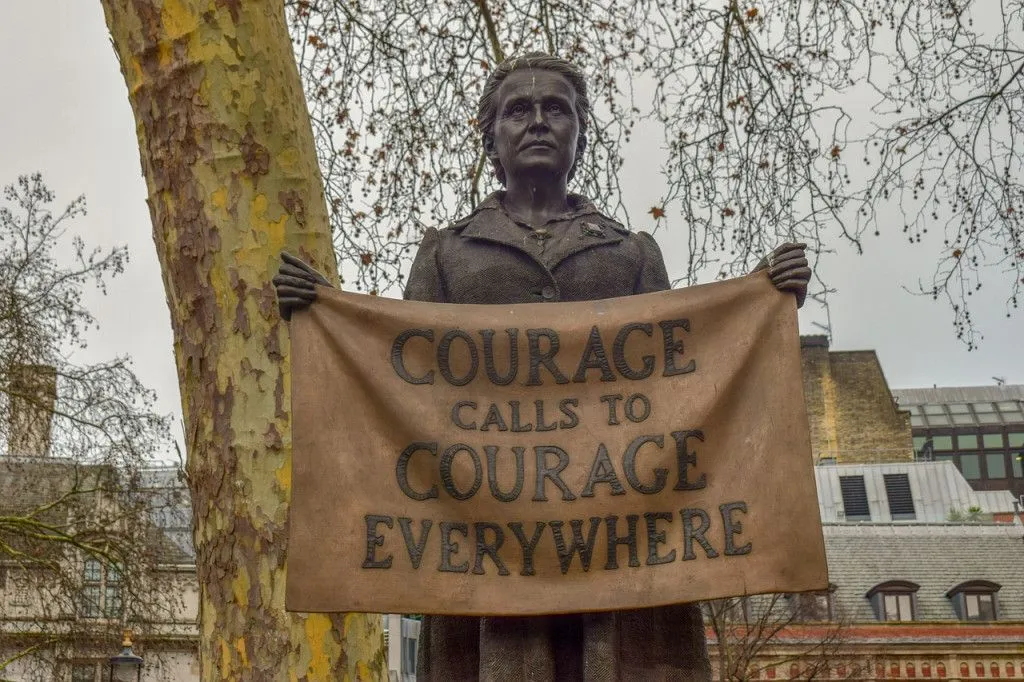
First-wave feminists also addressed issues such as access to education and employment opportunities, albeit with varying degrees of success. While the achievements of this wave were groundbreaking, it was criticized for its narrow focus on the concerns of white, middle-class women, often side-lining the struggles of marginalized communities.
Second-Wave Feminism: Challenging Patriarchy And Cultural Norms
The second wave of feminism emerged in the 1960s and lasted through the 1980s, marking a period of increased activism and consciousness-raising. Unlike its predecessor, second-wave feminism addressed a broader range of issues beyond suffrage, including reproductive rights, workplace discrimination, and sexual liberation.
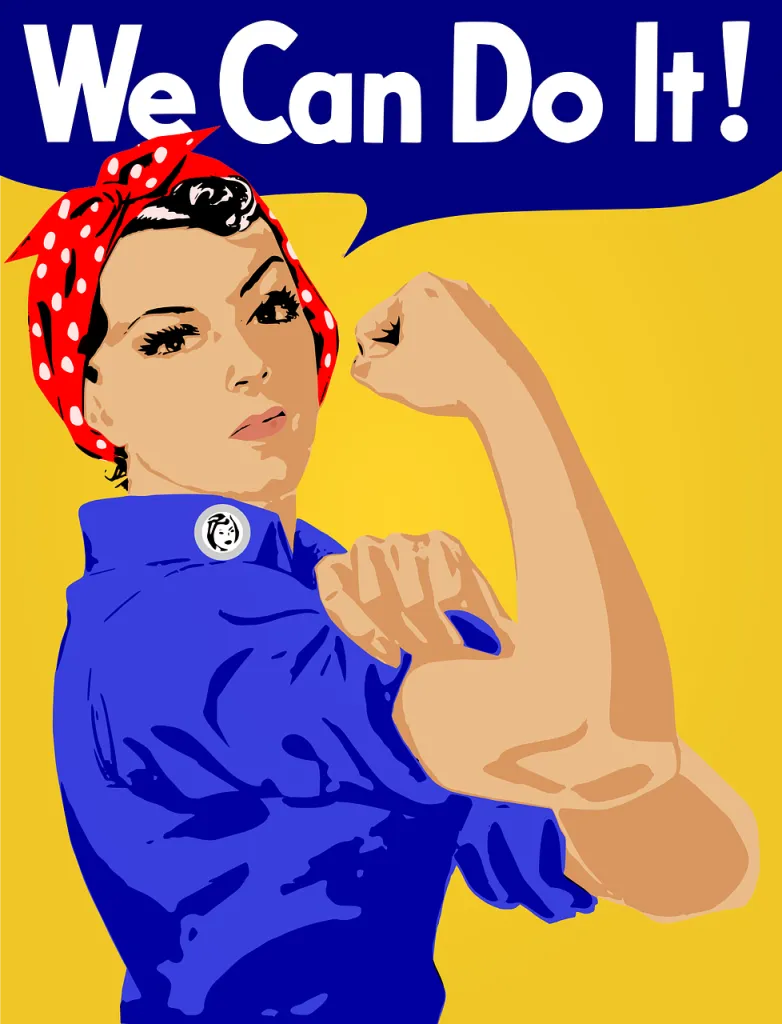
Betty Friedan’s groundbreaking book, “The Feminine Mystique,” published in 1963, played a pivotal role in shaping the discourse of second-wave feminism. Friedan challenged the traditional notion of womanhood perpetuated by post-World War II suburban culture, arguing that women were confined to narrow roles as homemakers and mothers, devoid of opportunities for personal fulfillment outside the domestic sphere.
Simone de Beauvoir’s “The Second Sex” also had a profound impact on second-wave feminist thought, even though it came out before the wave. Beauvoir’s exploration of the social construction of gender and the ways in which women are “othered” in patriarchal societies laid the groundwork for feminist theories of gender and oppression. Her assertion that “one is not born, but rather becomes, a woman” challenged essentialist views of gender and highlighted the role of socialization in perpetuating inequality.
These influential texts, along with others like Kate Millett’s “Sexual Politics” and Germaine Greer’s “The Female Eunuch,” sparked debates about women’s oppression and the ways in which it intersected with other forms of oppression, such as race, class, and sexuality.
Second-wave feminists argued that gender inequality could not be understood in isolation from other forms of oppression, and they sought to forge connections with other social justice movements to address these intersecting systems of power.
Second-wave feminism also achieved significant legislative victories, including the Equal Pay Act of 1963, the founding of the National Organization for Women (NOW) in 1966, Title IX of the Education Amendments in 1972, and the landmark Roe v. Wade decision in 1973. However, it faced criticism for its exclusionary practices and lack of inclusivity, particularly regarding the experiences of women of color, LGBTQ+ individuals, and working-class women.
Third-Wave Feminism: Embracing Diversity And Intersectionality
The emergence of third-wave feminism in the 1990s marked a significant shift in feminist activism and theory, characterized by a more inclusive and intersectional approach to addressing gender inequality. The term "third wave" was popularized by Rebecca Walker in 1992, in response to the Anita Hill hearings. Building on the foundations laid by its predecessors, third-wave feminism sought to navigate the complexities of gender and identity in an increasingly globalized world.
One of the defining features of third-wave feminism is its emphasis on intersectionality, a concept developed by legal scholar Kimberlé Crenshaw in 1989, which recognizes that individuals may experience oppression along multiple axes, including race, class, gender identity, sexual orientation, disability, and more. This acknowledgment of intersecting oppressions is crucial in understanding the complexities of privilege and marginalization, and in crafting inclusive and effective feminist praxis.
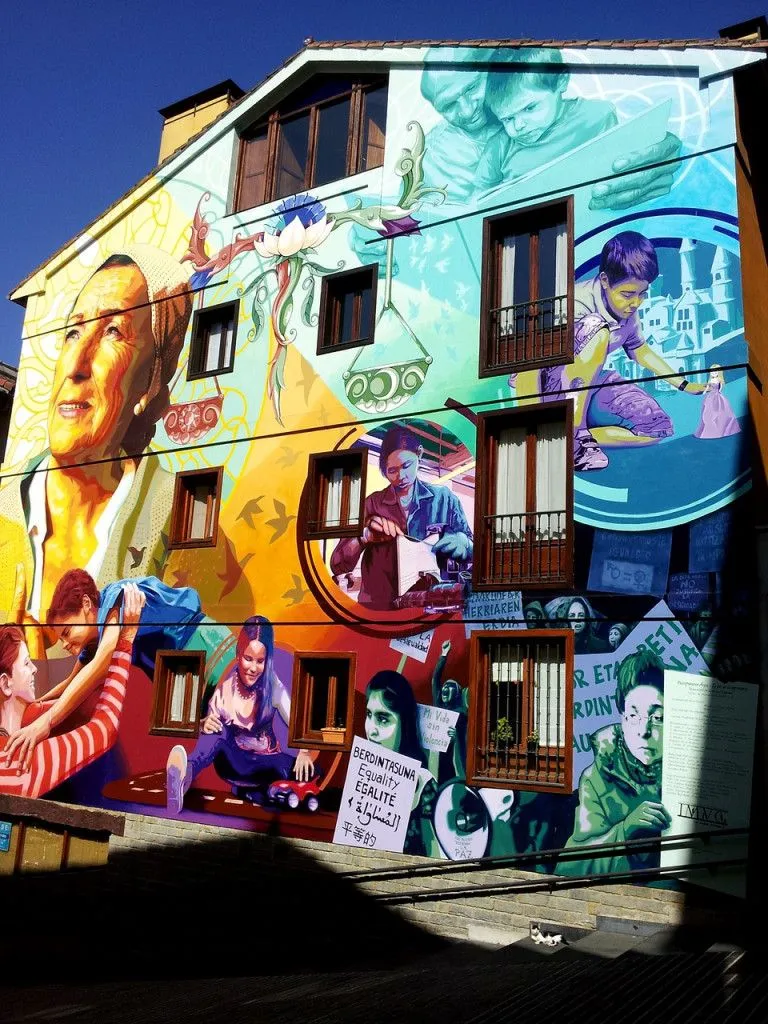
Third-wave feminists aim to amplify the voices of marginalized communities and center their experiences in feminist discourse and activism, challenging the notion of a monolithic feminist movement and striving for greater inclusivity.
Unlike previous waves, which primarily relied on traditional forms of activism, such as protests and consciousness-raising groups, third-wave feminism embraces a diverse range of mediums and tactics to challenge gender norms and advocate for social justice. Social media platforms, in particular, have become powerful tools for amplifying marginalized voices.
Pop culture also plays a significant role in third-wave feminist activism, with feminists using film, music, literature, and other forms of media to challenge stereotypes, promote body positivity, and critique patriarchal norms.
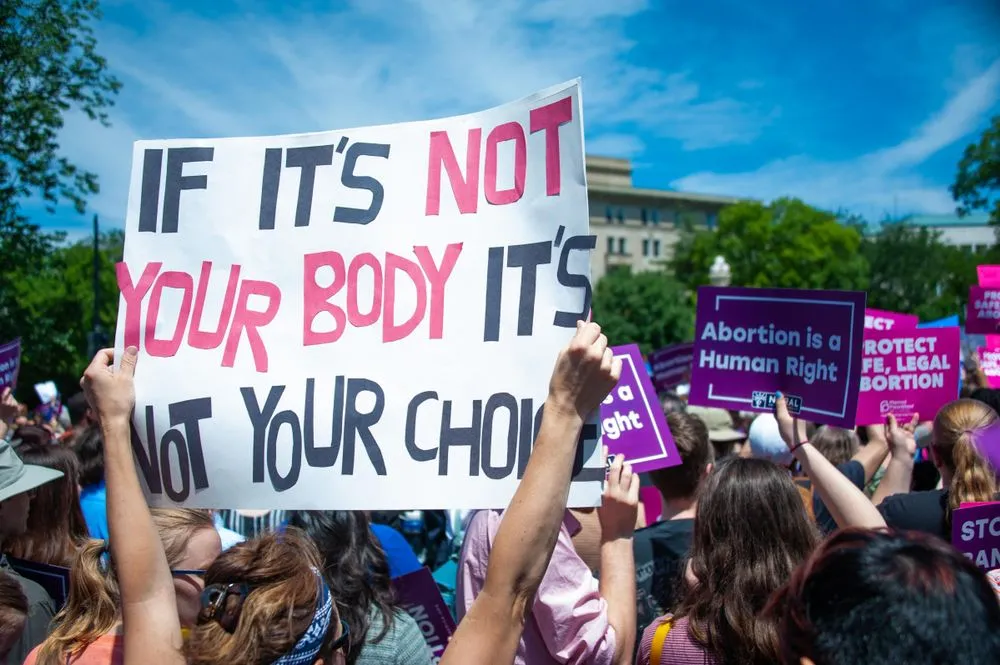
Key Academic Texts On The Three Waves Of Feminism
Anyone studying feminism quickly runs into a small library of foundational books and essays. Each wave has its canonical readings, and the texts often shaped the wave as much as the wave shaped them. Below is a short reading guide to the works most often cited in university courses and academic discussions of the three (or four) waves.
First wave. Mary Wollstonecraft’s A Vindication of the Rights of Woman (1792) is the earliest text in the modern canon, written more than half a century before the Seneca Falls Convention. Wollstonecraft argued that women appeared inferior to men only because they were denied education, and pressed for equal schooling, political representation, and access to professions. The 1848 Declaration of Sentiments, drafted largely by Elizabeth Cady Stanton at Seneca Falls, set out the first wave’s organizing grievances in the United States, including the demand for suffrage that the movement would carry into the 20th century.
Second wave. Simone de Beauvoir’s The Second Sex (1949) predates the wave but supplies much of its philosophical machinery. Her line that “one is not born, but rather becomes, a woman” framed gender as socially constructed rather than biologically fixed. Betty Friedan’s The Feminine Mystique (1963) brought the same ideas into mainstream American living rooms, naming the dissatisfaction of postwar suburban housewives as “the problem that has no name.” Kate Millett’s Sexual Politics (1970) and Germaine Greer’s The Female Eunuch (1970) followed, expanding the analysis to literature, marriage, and sexuality. Together these books defined the second wave’s reading list and seeded its slogans.
Third wave. The third wave is built on essays as much as books. Rebecca Walker’s 1992 piece “Becoming the Third Wave,” published in Ms. magazine in response to the Anita Hill hearings, gave the movement its name. Kimberlé Crenshaw’s 1989 University of Chicago Legal Forum essay “Demarginalizing the Intersection of Race and Sex” introduced the term intersectionality, the framework that would come to define the wave. For a one-stop overview, R. Claire Snyder’s “What Is Third-Wave Feminism? A New Directions Essay,” published in Signs in 2008, is the most widely assigned summary in university courses. The same author, writing as R. Claire Snyder-Hall, returned to the subject in “Third-Wave Feminism and the Defense of ‘Choice,’” a 2010 essay in Perspectives on Politics that argues the wave’s emphasis on individual choice reflects a deep respect for pluralism and self-determination, rather than an uncritical endorsement of every decision a woman makes. Charlotte Kroløkke and Anne Scott Sørensen’s textbook chapter “Three Waves of Feminism: From Suffragettes to Grrls,” the opening chapter of their 2006 SAGE book Gender Communication Theories and Analyses: From Silence to Performance, is the other standard reference, frequently cited because it covers all three waves in a single readable piece.
These texts repeat across syllabi for a reason. Reading one work from each wave (Wollstonecraft, then Friedan or de Beauvoir, then Walker or Crenshaw) is enough to follow the through-line of the argument across two centuries.
A Fourth Wave?
A debated fourth wave of feminism, emerging in the early 21st century, represents the latest evolution of the feminist movement, leveling up in response to contemporary landscapes. (Source)
This iteration is characterized by its digital activism, leveraging online platforms and social media to organize, mobilize, and raise awareness about feminist issues. Hashtags like #MeToo (a phrase originally coined by activist Tarana Burke in 2006 that went viral in 2017) and #TimesUp have become powerful tools for survivors to share their experiences, hold perpetrators accountable, and advocate for systemic change. The U.S. Supreme Court's 2022 Dobbs v. Jackson decision, which overturned Roe v. Wade, has further galvanized feminist activism around reproductive rights.
Fourth-wave feminism takes on a global perspective, recognizing that gender inequality is a pervasive issue that affects individuals and communities worldwide. Activists work to amplify the voices of women and gender minorities from diverse cultural, ethnic, and geographic backgrounds, working for their reproductive rights and opportunities in the workplace and the broader world.
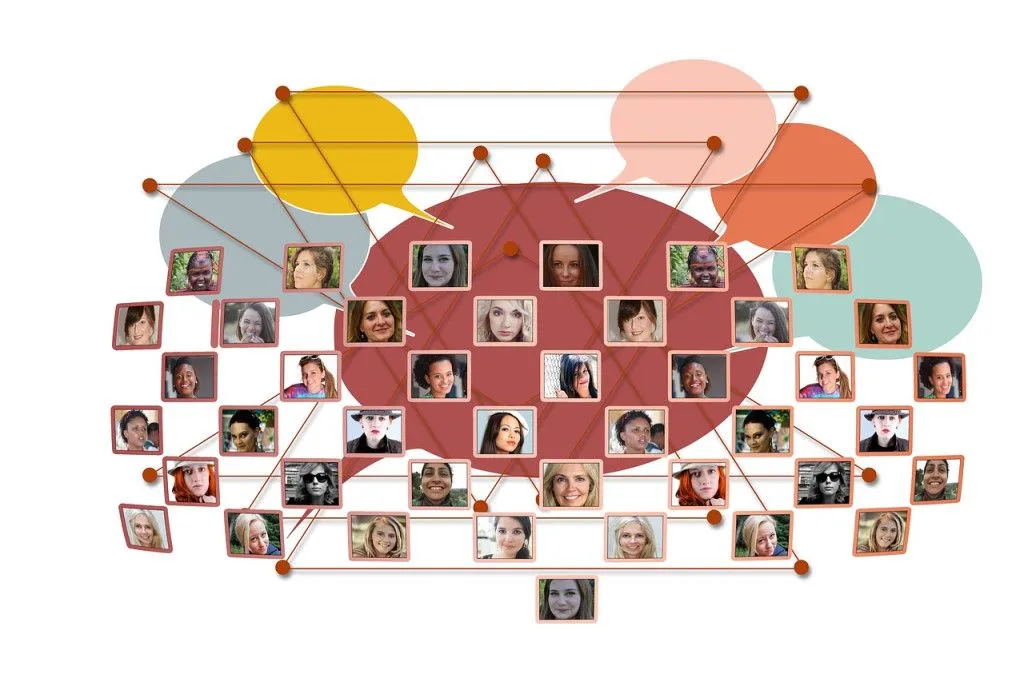
They also focus on body-shaming and rape culture as symptoms of a patriarchal world, fundamentally working against the interests of women.
How Many Waves Of Feminism Are There?
So, how many waves of feminism are there? Most scholars count three, with a fourth still being debated. The waves are not formal organizations with members and manifestos. Each one simply names a stretch of time when feminist activism surged around a shared set of concerns, and the boundaries between them are blurry. Now that we have walked through each one, here is how they line up side by side.
| Wave | Era | Core focus | Landmark moments | Key figures | Signature texts |
|---|---|---|---|---|---|
| First | Late 1800s–1920 | Legal rights, especially suffrage and property | Seneca Falls Convention (1848); 19th Amendment (1920) | Elizabeth Cady Stanton, Lucretia Mott, Millicent Fawcett, Susan B. Anthony | Wollstonecraft, A Vindication of the Rights of Woman (1792); the Declaration of Sentiments (1848) |
| Second | 1960s–1980s | Workplace equality, reproductive rights, sexuality, the family | “The problem that has no name”; Roe v. Wade (1973) | Betty Friedan, Simone de Beauvoir, Kate Millett, Germaine Greer | The Feminine Mystique (1963); The Second Sex (1949); Sexual Politics (1970) |
| Third | 1990s–2000s | Intersectionality, diversity, individual choice, reclaiming identity | Anita Hill hearings (1991); the riot grrrl movement | Rebecca Walker, Kimberlé Crenshaw | “Becoming the Third Wave” (1992); “Demarginalizing the Intersection of Race and Sex” (1989) |
| Fourth (debated) | Early 2010s–present | Digital activism, sexual harassment, body politics, global and intersectional reach | #MeToo goes viral (2017); Dobbs v. Jackson (2022) | Tarana Burke and a decentralized, online movement | Largely online; no single canonical text |
Read top to bottom, the table shows feminism widening its scope over time: from the ballot box, to the home and workplace, to questions of identity, and finally to the global, networked activism of the present. Read the other way, the disagreements stand out. Not everyone accepts that the fourth wave is truly separate from the third, which is why you will sometimes see the whole story told as three waves and sometimes as four.
A Timeline Of The Feminist Movement
If the waves are the chapters, these are the dates that mark the turning points between them.

- 1792: Mary Wollstonecraft publishes A Vindication of the Rights of Woman, one of the earliest sustained arguments for women’s education and equality.
- 1848: The Seneca Falls Convention issues the Declaration of Sentiments, launching the organized women’s rights movement in the United States.
- 1893: New Zealand becomes the first self-governing country to grant women the vote.
- 1918: The United Kingdom grants the vote to women over 30, extending it to all adult women on equal terms with men in 1928.
- 1920: The 19th Amendment guarantees American women the right to vote, the capstone of the first wave.
- 1949: Simone de Beauvoir publishes The Second Sex, supplying much of the philosophy behind the wave to come.
- 1963: Betty Friedan’s The Feminine Mystique helps ignite the second wave.
- 1973: Roe v. Wade establishes a constitutional right to abortion in the United States.
- 1989: Legal scholar Kimberlé Crenshaw coins the term intersectionality.
- 1991–92: The Anita Hill hearings galvanize a new generation, and Rebecca Walker declares the arrival of the third wave.
- 2017: The #MeToo hashtag goes viral, coming to define fourth-wave digital activism.
- 2022: Dobbs v. Jackson overturns Roe v. Wade, re-energizing activism around reproductive rights.
Waves Vs. Types Of Feminism: What’s The Difference?
It is easy to mix up the waves of feminism with the types of feminism, but they describe two different things. The waves are chronological: bursts of activism tied to particular decades. The types, often called schools or traditions, are bodies of theory that run across all of the waves and frequently disagree about what causes inequality and how to fix it. A few of the most influential:
- Liberal feminism pursues equality through reform: equal legal rights, equal access to education and work, and equal representation, won within existing democratic institutions rather than by overturning them.
- Radical feminism locates the problem in patriarchy itself, arguing that real equality requires reshaping the institutions, from the family to sexuality, that sustain male dominance.
- Marxist and socialist feminism ties women’s oppression to economic structures, holding that capitalism and patriarchy reinforce one another and have to be challenged together.
- Intersectional feminism, the dominant framework since the third wave, stresses that gender overlaps with race, class, and sexuality, so there is no single “women’s experience” that speaks for everyone.
A given activist can belong to a wave and a school at once. A 1970s campaigner might be a second-wave radical feminist; a present-day organizer, a fourth-wave intersectional one. For a fuller map of these traditions, Rosemarie Tong’s Feminist Thought: A More Comprehensive Introduction is the standard survey, walking through liberal, radical, Marxist and socialist, and intersectional feminism in turn.
Conclusion
The three waves (or four, depending on whom you’re asking) of feminism represent a continuum of progress toward gender equality, each building upon the achievements and addressing the limitations of its predecessor.
While the first wave focused on legal rights and suffrage, the second challenged cultural norms and patriarchal structures. The third wave embraces diversity and intersectionality, recognizing the complexities of gender and identity in contemporary society.
Despite their differences, all three waves share a common goal: to dismantle systems of oppression and create a more just and equitable world for people of all genders. As feminism continues to evolve, it remains a vital force for social change, inspiring future generations to strive for equality and justice.
References (click to expand)
- Defining 4th Wave Feminism - UW Tacoma Digital Commons.
- Three Waves of Feminism.
- Snyder, R. C. (2008, September). What Is Third‐Wave Feminism? A New Directions Essay. Signs: Journal of Women in Culture and Society. University of Chicago Press.
- Mohajan, Haradhan. "Four waves of feminism: A blessing for global humanity." (2022): 1-8.
- Crenshaw, Kimberlé (1989). Demarginalizing the Intersection of Race and Sex. University of Chicago Legal Forum.
- A Vindication of the Rights of Woman. Encyclopædia Britannica.
- The Second Sex. Encyclopædia Britannica.
- The Feminine Mystique. Encyclopædia Britannica.
- Sexual Politics. Encyclopædia Britannica.
- Third-wave feminism. Encyclopædia Britannica.
- Snyder-Hall, R. C. (2010). Third-Wave Feminism and the Defense of “Choice.” Perspectives on Politics, 8(1), 255-261. Cambridge University Press.
- Tong, R. Feminist Thought: A More Comprehensive Introduction. Westview Press.
- Feminism. Encyclopædia Britannica.
- Feminist Political Philosophy. Stanford Encyclopedia of Philosophy.