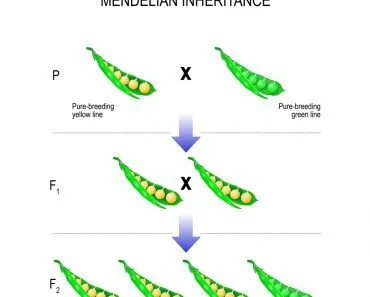
Crossbreeding is the mating of two purebred parents from different breeds of the same species, producing offspring called crossbreeds. It is done to combine traits from both parents and to produce hybrid vigor (heterosis), which boosts growth, fertility and disease resistance. Familiar examples include Labradoodles (Labrador × Poodle), Ragamuffin cats, and modern dairy-cattle crosses like ProCROSS.
A crossbreed is an organism borne out of purebred parents from two different breeds. Thus, crossbreeding refers to the process of mating two organisms from different breeds. Normally, the crossbred animals gain complementary traits that enhance their aesthetic or economic value.
Crossbreeding is usually done with the intention of producing offspring that share the traits of both parents, or to produce an organism with hybrid vigor. For the uninitiated, hybrid vigor (also called heterosis) is the increase in certain characteristics, such as growth rate, size, fertility, yield etc. of a particular crossbreed organism over its parents. To learn more about hybrid vigor, click here. Although crossbreeding is generally performed to improve the health and viability of organisms, irresponsible crossbreeding can also bring undesirable results—like animals of inferior quality—such as the dilution of a purebred gene pool towards extinction.
Crossbreeds Are Not ‘Hybrids’
Many people posit that crossbreeds are the same as hybrids, but scientifically, this is not the case. Crossbreeds in animal breeding are crosses within a single species (but of a different breed), whereas hybrids are crosses between different species altogether. For example, a Ragamuffin is a crossbreed that diverged from the Ragdoll line in 1994 and was developed by outcrossing Ragdolls to Persians, Himalayans and domestic longhair cats; all of these are different breeds of the same species. A mule, on the other hand, is a hybrid animal formed by the mating of a donkey and a horse i.e. two different species.
When it comes to plant breeding, the term ‘crossbreeding’ is uncommonly used. Moreover, there is no universal term to distinguish hybridization from crossing in the case of plants.
Why Does Crossbreeding Occur?
Given the popular breeding strategies employed today, there has been a rise in inbreeding—therefore inbreeding depression within flocks and groups of livestock. When organisms with a very close genetical lineage mate, it is called inbreeding. Inbreeding depression refers to the reduction in levels of biological fitness in a given population as a result of inbreeding. To learn more about the perils of inbreeding, click here.
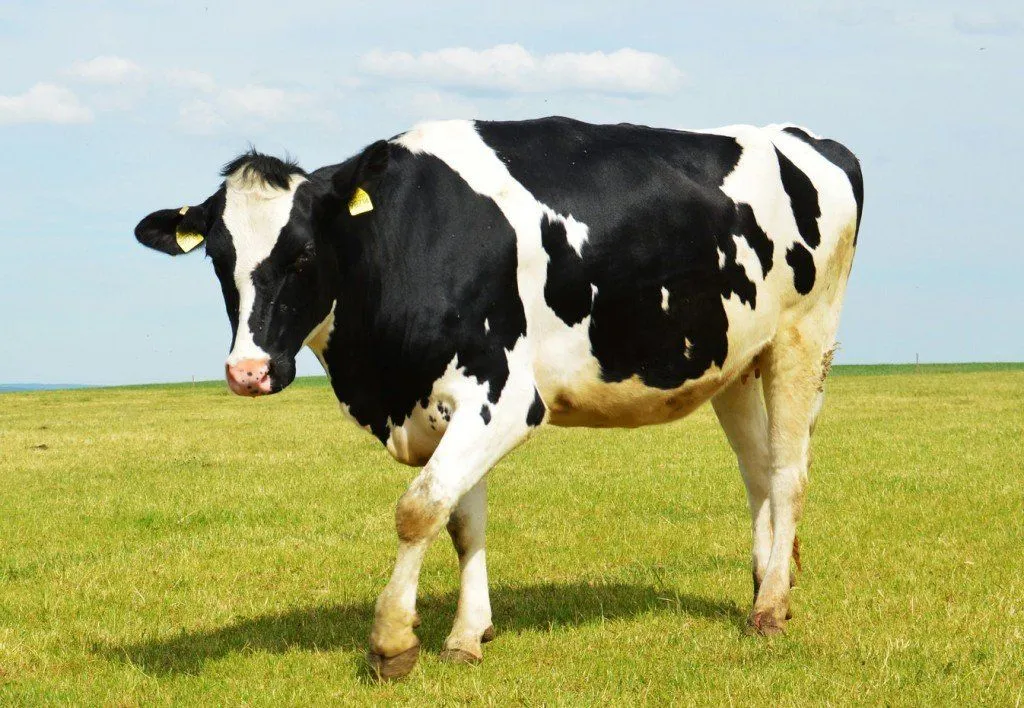
So, with inbreeding, the animals’ reproductive capacity is hampered. One of the main benefits of crossbreeding is that there is a reduction in inbreeding, which also leads to hybrid vigor, as explained earlier. Many reports on ruminants have observed rising rates of infertility and calving difficulty (dystocia) in heavily inbred dairy herds, especially Holsteins. By using crossbreeding, a breeder can not only curb infertility but also improve desired traits like calving ease, longevity and milk production.
Now let’s look into the crossbreeding of specific animals.
Crossbreeding In Animals
Crossbreeding In Cats
The many cute and eccentric breeds of domestic cat that you see today are actually crossbreeds, and are produced by mating between existing, well-established breeds of cat, e.g., the American Lynx, Australian Tiffanie, Dwelf etc. Crossbreeding in cats is often done with the intention of combining selected traits from the foundation stock, or to propagate a rare mutation to curb excessive inbreeding. Not every new breed comes from a deliberate cross, however. The Aegean cat, for example, is not really a crossbreed at all; it is a landrace that Greek breeders began formalising in the early 1990s by selectively breeding native Cycladic island cats without outcrossing them to any other breed. Most experimental cat breeds, on the other hand, are genuine crossbreeds.

Crossbreeding In Dogs
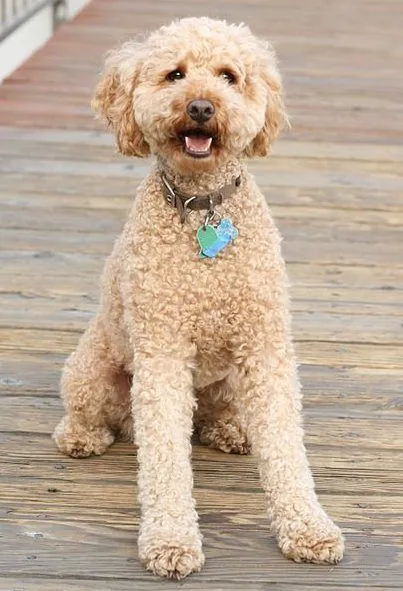
Crossbreeding in dogs is getting much more popular, as crossbreed dogs are observed to develop hybrid vigor without losing their attractiveness. Certain planned crossbreeding between different breeds of purebred dogs are popularly called designer dogs. Designer dogs are more attractive and are high in demand in the pet market.
Crossbreeding In Horses
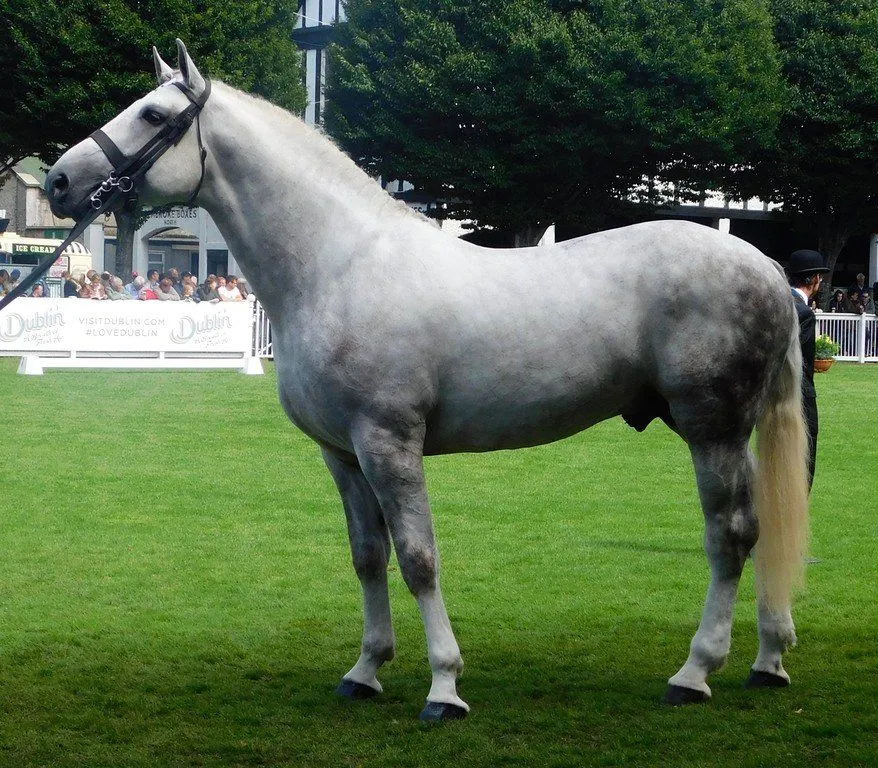
Creating a new breed of horse is often the main aim of crossbreeding in horses. One type of present-day horse crossbreeding technique is used to create many of the warmblood breeds of horses that we often see today at the horse track. Warmbloods, such as the Hanoverian, Holsteiner and KWPN, dominate the three Olympic equestrian disciplines: dressage, show jumping and eventing. To read more about equestrianism, click here.
Common Concerns In Crossbreeding
One of the major concerns with crossbreeding is adding too much variability. At the start of the implementation of crossbreeding, the uniformity within a herd is likely to be disrupted. However, this lack of uniformity can turn costly to the producer (breeder), especially if they are unwilling to commit to the crossbreeding program over the long term. To get the maximum benefit out of crossbreeding, producers must be willing to commit to using the program for several generations. Producers, who often are farmers, do not usually have the time or money to do this. Perseverance and financing are needed for successful crossbreeding implementation, which makes crossbreeding an arduous task.
Research In Crossbreeding And Related Challenges
One of the major challenges in this field of academic research is in designing experiments to understand the effects and implications of crossbreeding. Most results are derived in the field without much rigorous experimental design, as a planned experiment in crossbreeding would be extremely costly, considering that many generations of animals and their offspring would need to be studied.
A 2007–2008 review of German dairy data by Hermann Swalve compared purebred and crossbred Holstein-Friesian herds and found that crossbreeding significantly improved functional traits such as fertility and survivability, though the study was restricted to first-generation animals. Since then, longer-running programmes have caught up. The ProCROSS three-way rotation (Holstein × Viking Red × Montbéliarde), tracked across hundreds of US and Scandinavian herds, now shows roughly 9–13% higher daily profit per crossbred cow, about 37% lower urgent culling, and notably better conception rates than purebred Holsteins.
Even so, there is still a need for longer, more rigorous studies that follow crossbred animals across many generations, and most of the published work still leans on European and North American conditions. More data from other parts of the world would help breeders apply these results closer to home.
References (click to expand)
- Animal breeding: Breeding systems - Encyclopaedia Britannica. britannica.com
- Swalve, H.H. (2008). Crossbreeding in dairy cattle: international trends and results from crossbreeding data in Germany. J. Dairy Sci. PubMed. pubmed.ncbi.nlm.nih.gov
- McAllister et al. (1994). The Influence of Additive and Nonadditive Gene Action on Lifetime Yields and Profitability of Dairy Cattle. Journal of Dairy Science.
- Performance of purebred dairy cows and crossbreds (ProCROSS) in Swedish herds - Frontiers in Animal Science (2024). frontiersin.org
- Impact of Dystocia on Milk Production, Somatic Cell Count, Reproduction and Culling in Holstein Dairy Cows - PMC. ncbi.nlm.nih.gov