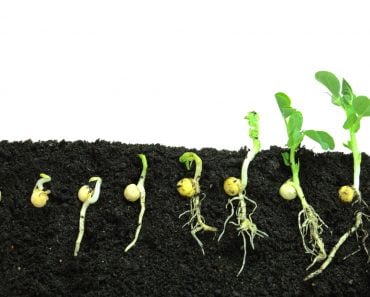
Seeds know that they have to grow upwards against gravity because of a physical phenomenon called gravitropism, wherein the growth of a plant is governed by the force of gravity acting on it.
I once traveled to a friend’s village on vacation to spend a few days in an absolutely serene, pollution-free environment and have meals that were 100% organic. Some of his relatives were farmers and, incidentally, while I was there, the sowing season was beginning, so they were sowing seeds.
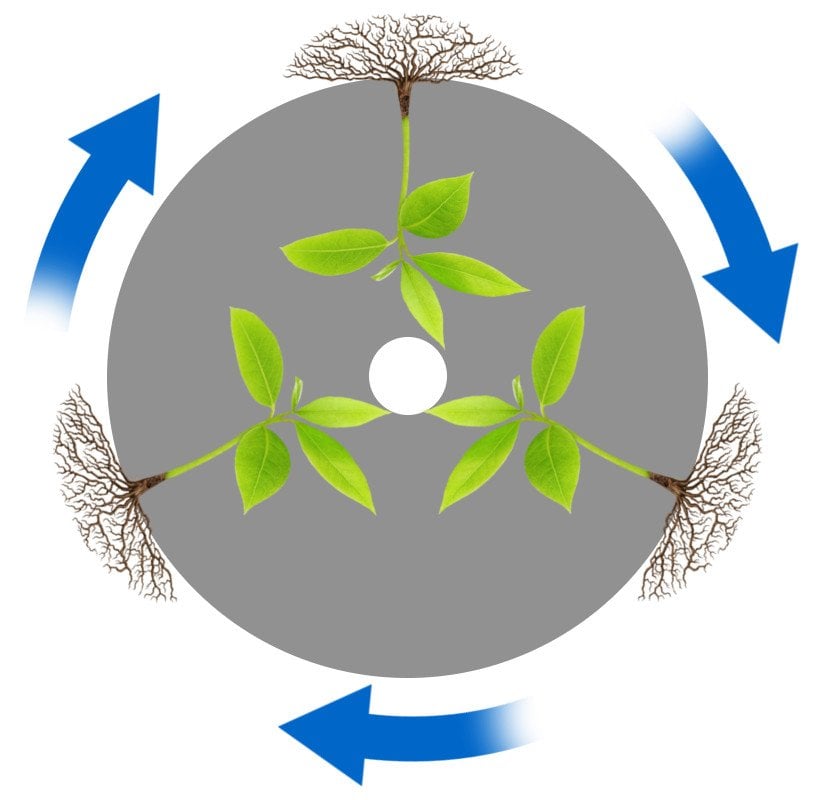
If you’ve ever taken a ride in a spinning tea cup at an amusement park, you know all too well that you get pushed away from the center of the spinning object towards the outside due to centrifugal force. To test if plants also responded to the centrifugal force of gravity, Knight attached a few plant seedlings to a flat, circular object which was then turned at a high speed of 150 revolutions per minute for a few days.
It turned out that plants responded to gravity pretty much the same way that humans do! It was observed after a few days that every plant on the disc had its roots pointed towards the outside and its stem pointed towards the center of the disc.
How Do Plants Sense Gravity?
Plants perceive gravity with the help of particles called statoliths. These contain amyloplasts (organelles found in plant cells where starch is produced from glucose and stored until required by the plant), which are heavier than the cytoplasm (the gel-like substance enclosed within the cell membrane), and therefore settle at the bottom of the plant cell.
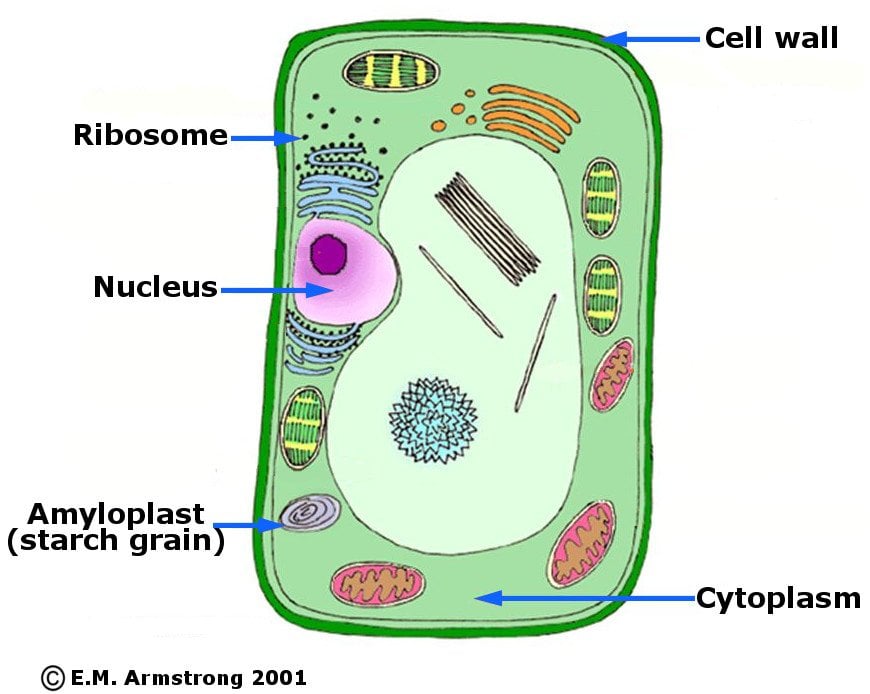
A hormonal growth signal is then triggered in the direction of that part of the cell where amyloplasts are accumulated, i.e., the bottom. The settling of the starch statoliths at the bottom leads to the transport of auxin from its source (the tips of stems and young leaves) to the roots although, the exact mechanism of this still remains elusive.
That’s why roots grow downwards!
Phototropism
Phototropism refers to the orientation of a plant in response to a light stimulus. In addition to gravitropism, which helps the roots go downwards, the stem demonstrates positive phototropism by growing in the direction of light.
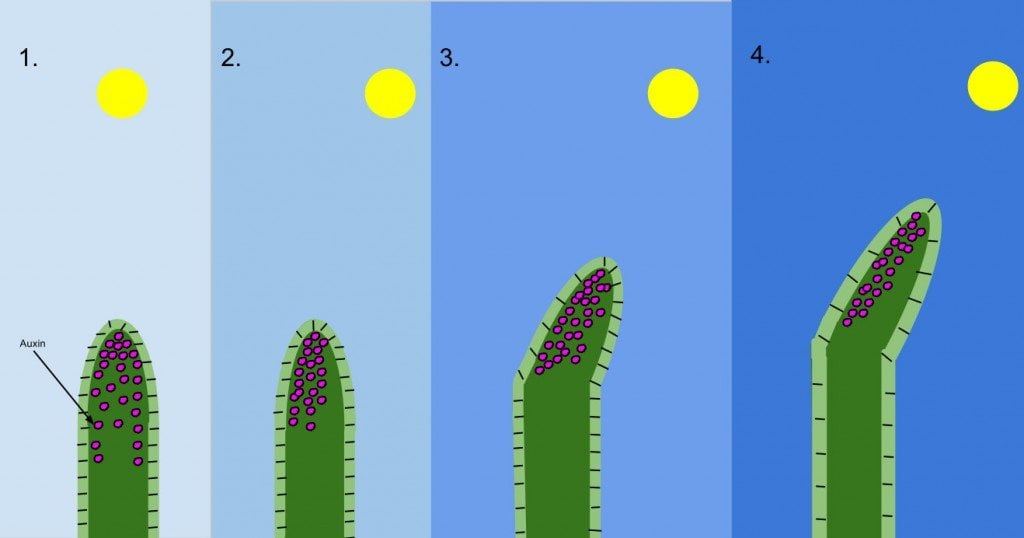
A plant hormone called auxin is present in the cells of the plant that are furthest from the light (in other words, auxin is concentrated on the opposite side of the light stimulus), which causes the plant to develop elongated cells in the opposite direction of the light stimulus. Consequently, the shoot grows/turns towards the direction of light!

Note that roots usually show negative phototropism, which may contribute towards roots’ downward growth. However, gravitropism is much more dominant in roots, and explains the majority of their growth pattern.