Table of Contents (click to expand)
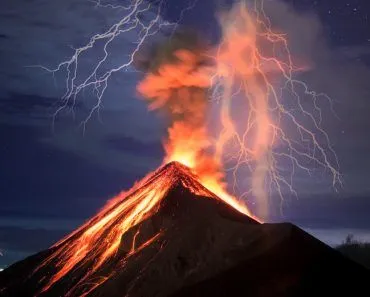
When a tree is struck by lightning, the sap in the bark of the tree is subject to extreme temperatures many times hotter than the surface of the Sun due to electrical resistance. The electrical resistance causes the sap to be heated into steam, which can make it explode.
We’ve all seen cartoons and caricatures depicting people getting struck by lightning, with their bodies jolting around like a rag doll and their hair all spiked up. However, does the same thing happen to trees? Are trees affected by electricity in the same way as humans? Are they affected at all? These are some of the questions we’re going to answer in this article.
How Does Electricity Affect Humans?
Our own bodies use electrical signals to convey information from our nerves to the muscles. With a sudden shock of electricity, our nerves begin registering false positives and our muscles start tensing or dilating. If you ever see an electrocuted person being forced back and falling down far from where they were shocked, it’s because their own muscles pushed them to do it. Similarly, the crazy-haired flailing of an electrocuted person is caused by ripples of current confusing the signal interceptors in our muscles. It may look amusing in cartoons, but don’t play around with it; electricity is extremely dangerous, as it can cause burns in our muscles or irreversible nerve damage.
According to the U.S. National Weather Service, lightning kills an average of about 27 people each year in the United States (based on the 2009–2018 period), out of roughly 240 who get struck. A lot of trees are struck and killed this way as well. Trees protrude from the earth’s surface, and when several million volts of electricity charge through the air in the form of lightning, they follow the path of least resistance to the ground, often through the bark of a tree.
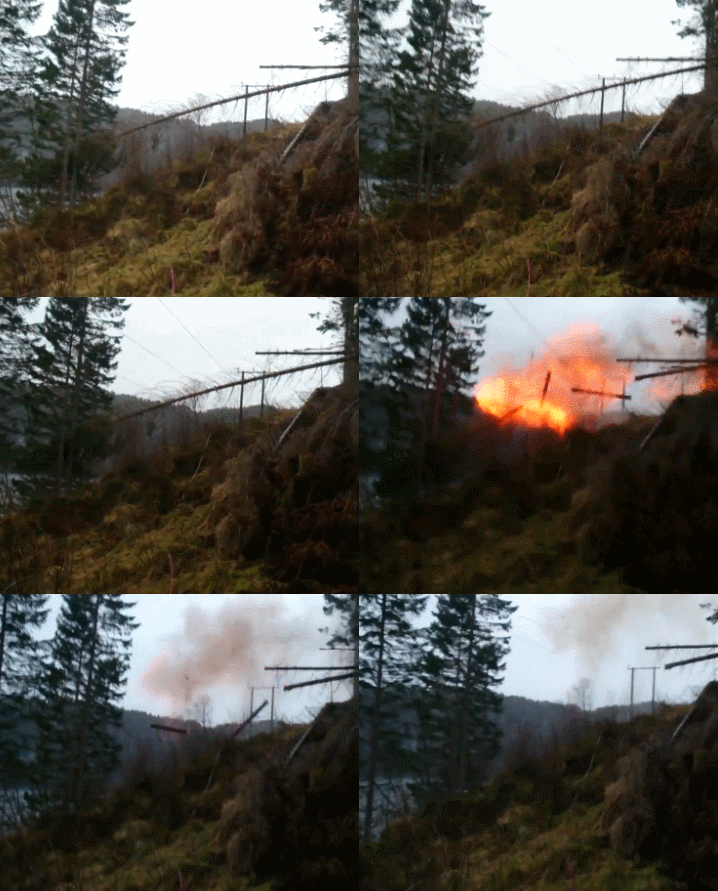
When lightning strikes, the sap in the bark of the tree is subject to extreme temperatures many times hotter than the surface of the Sun due to electrical resistance. The electrical resistance causes the sap to be heated into steam, which can make it explode. That’s why some trees violently explode when struck by lightning.
Why Does Lightning Strike Trees So Often?
So why do trees seem to draw lightning in the first place? It comes down to height and to how a lightning flash completes its circuit. According to the National Severe Storms Laboratory (NSSL), the downward-moving leader of a bolt does not commit to a landing spot until it gets within roughly a hundred yards of the ground; at that point, objects on the surface start sending faint upward sparks to meet it. As the NSSL puts it, "taller objects such as trees and skyscrapers are more likely than the surrounding ground to produce one of the connecting sparks and so are more likely to be struck by lightning." A tall, lone tree standing above an open field is essentially the closest thing to the cloud, so it often wins that race to the ground.

Height is not the whole story, though. A living tree is full of water, and the sap in its moist sapwood just beneath the bark is laced with dissolved minerals, which makes it far more conductive than dry air or dead wood. Once the strike connects, the current does not simply sit on the surface; it follows that wet, conductive layer from the crown down to the roots and into the soil. That is the very path that flashes the sap to steam and blows the bark away. The NSSL is careful to add that height is no guarantee: lightning can still hit open ground even with a tree line close by, so being the tallest object raises the odds without making a strike a certainty.
Wait, Trees Can Actually Explode?
Lightning usually runs along the inner bark of the tree down to the ground, causing the outer bark to expand and blow away in strips. Sometimes, you’ll find that a tree ‘jumps’ when struck by lightning; this occurs when the trunk or several branches split off and fall to the ground due to vehement expansion. In other words, unless you want to deal with the entire weight of an exploding tree, don’t stand under one during a lightning storm!
If it’s raining and the outside of the tree is soaked with water, as is usually the case during a thunderstorm, the lightning may cause relatively little damage to the tree. This is because, in this case, the electricity would be conducted through the outer soaked layer of the tree, rather than affecting the inner bark. It may seem natural for a tree to burn when struck by lightning, but whether it does depends on a variety of factors, such as the moisture content of the bark, foliage on the branches and which part of the tree lightning strikes. When a tree catches fire, it may burn to the ground or just remain partially damaged.
Why You Shouldn’t Stand Under A Tree That Has Been Struck By Lightning
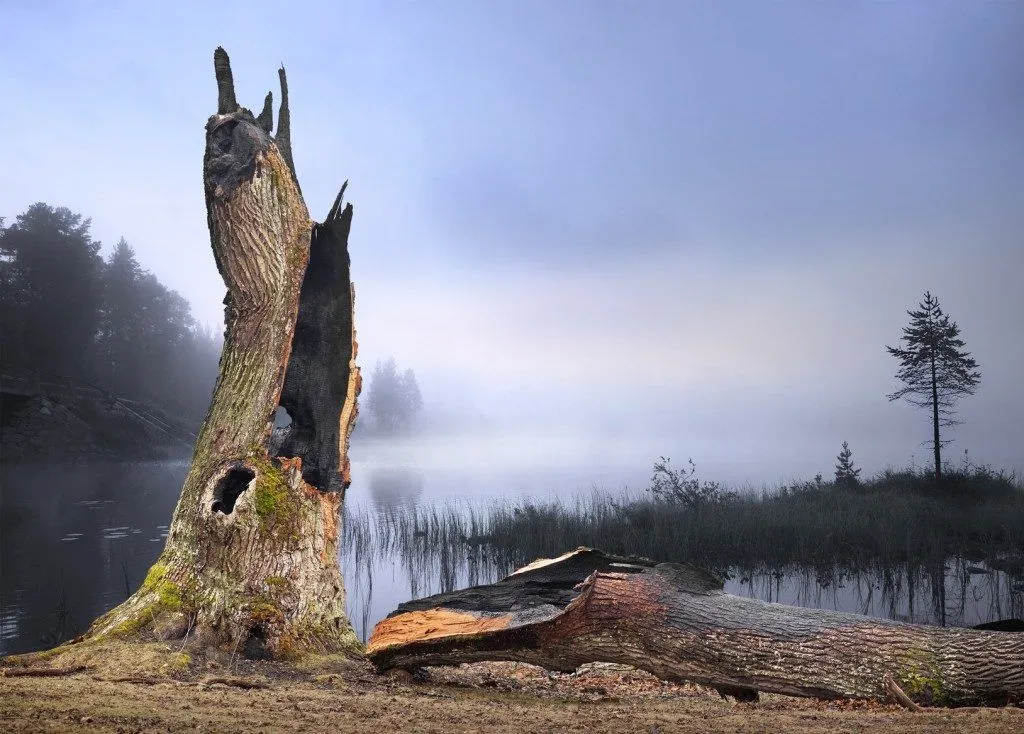
Surprisingly, a tree that has been struck by lightning won’t necessarily die as a direct result of the current; it could live for a while, even with extensive injuries. However, trees that have been damaged by lightning might die from secondary causes, such as insect infestation or decay. They might undergo all sorts of transformations that make the bark inherently weak, so remember, if you see a tree that has been struck by lightning, stay away from it… you never know when it may fall!
Is It Safe To Shelter Under A Tree During A Storm?
It is tempting to duck under a big tree to stay dry when a storm rolls in, but it is one of the most dangerous things you can do. The U.S. National Weather Service notes that you do not even have to be struck directly to be hurt or killed. When lightning hits a tree, much of the energy travels outward from the strike along the ground surface, a phenomenon the NWS calls ground current, and it accounts for the largest share of lightning deaths and injuries because it can affect people spread over a wide area. The U.S. Centers for Disease Control and Prevention warns that this current "can be deadly more than 100 feet (about 30 meters) away," which is why lying flat on the ground offers no real protection either.

There is a second danger too. The NWS describes a side flash (or side splash), where lightning strikes a taller object such as a tree and a portion of the current jumps across to a nearby person, usually within a foot or two, because the human body can be a better path to ground. The CDC ranks sheltering under trees as the second-leading cause of U.S. lightning deaths. The safe move is to get inside a building with walls and a roof, or into a hard-topped vehicle, and to stay there until the storm passes. There is no safe spot outdoors during a thunderstorm, and a tree is one of the worst.
Some Trees Actually Benefit From Being Struck
Here’s the strangest twist in the story: not every tree is a victim. A 2025 study published in New Phytologist by Evan Gora and colleagues, working in the rainforests of Panama, found that the towering tropical tree Dipteryx oleifera (the almendro or tonka bean tree) actually thrives on lightning strikes. The team tracked nearly 100 lightning hits in Barro Colorado Nature Monument and discovered that almendro trees were 68% more likely to be struck than neighboring trees, and far better at surviving the hit.
When lightning lances down an almendro, it largely leaves the host tree intact but kills the parasitic vines tangled in its crown and roughly 9 neighboring competitor trees per strike. In effect, the lightning prunes the competition and the freeloaders, freeing the almendro up to grow taller, capture more sunlight, and produce more seeds. Researchers estimate that a single mature almendro that gets repeatedly struck over its lifetime produces about 14 times more offspring than one that never is. For this species, getting hit by lightning is a feature, not a bug.
References (click to expand)
- Trees and Lightning ees and Lightning ees and Lightning. Purdue University
- Lightning Strikes to Trees - Storm Highway. stormhighway.com
- What Happens When Lightning Strikes a Tree? - Wonderopolis. wonderopolis.org
- Severe Weather 101: Lightning FAQ. NOAA National Severe Storms Laboratory
- Lightning Science: Five Ways Lightning Strikes People. NOAA National Weather Service
- Frequently Asked Questions About Lightning. U.S. Centers for Disease Control and Prevention
- Gora et al. How some tropical trees benefit from being struck by lightning. New Phytologist (2025)