One of Socrates many excellent quotes states that, “Wisdom begins in wonder.” He wasn’t wrong, as wonder truly is nourishment for the soul. As humans, we can look at a sunset and be moved to tears, unlike any other animal on the planet, as far as we know. Studies show that awe-induced wonder can bring about more profound cognitive abilities, boost our empathy, and help us connect with the world around us in a much more meaningful way. The Wonders of the World have always piqued the interest of anyone who has laid eyes on them. In this article, we will take a closer look at the seven wonders of the ancient world, the first compilation laid down by the historian Herodotus and Callimachus at the Museum of Alexandria. Since six of the seven ancient wonders no longer exist, there are also Seven Wonders of the Modern World, but we’ll get to those another day!
Recommended Video for you:
Great Pyramid Of Giza
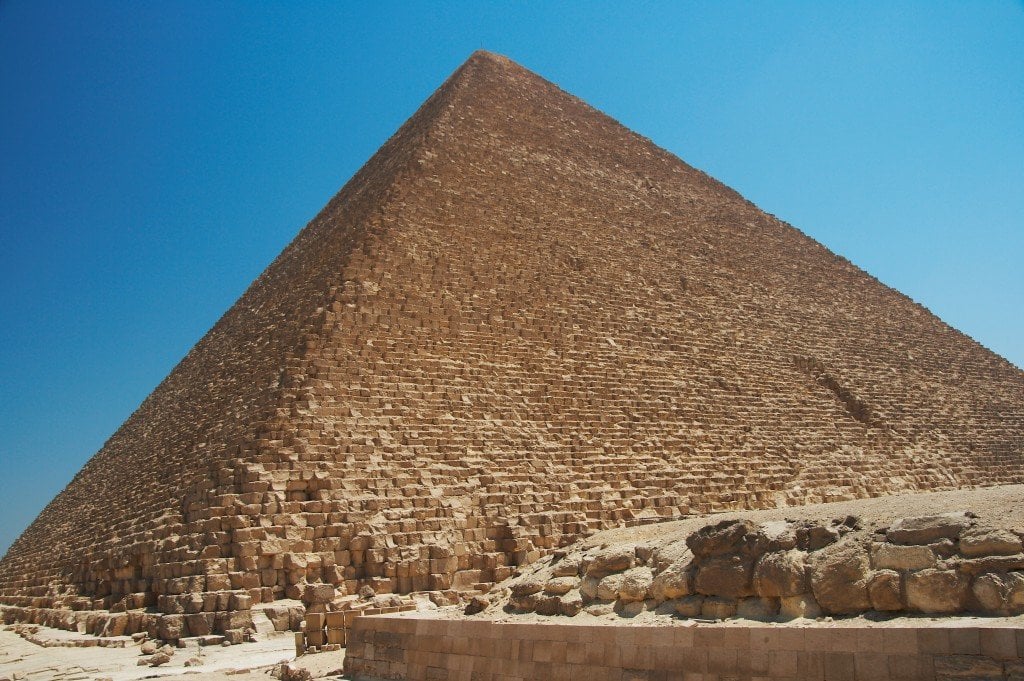
The Great Pyramid of Giza is the oldest and largest of the three pyramids of the Giza Pyramid Complex. It is the oldest of the seven wonders of the world and the only one that remains largely intact and standing. Egyptologists believe that the Great Pyramid of Giza was built as a tomb for the Fourth Dynasty Egyptian pharaoh Khufu. The timeline of construction for the pyramid is estimated to be roughly 20 years. That speed of construction, taking into account the existing stones today, represents the movement and placement of about 800 tons of stone every day. The pyramid consists of 2.3 million blocks of stone. Given these numbers, the average rate at which each stone would have been placed is around 12 blocks of stone every hour, day and night, for 20 years.
The pyramid also remained the tallest man-made structure for close to 3,800 years. It was surpassed by the Lincoln Cathedral only in the year 1300. It isn’t simply the height that the ancient Egyptians achieved which made the pyramid such a marvel, but also its engineering dexterity. The engineering precision that the ancient Egyptians implemented is incredible. The bases on the four-sided pyramid have an error of only 58 millimeters, and variations in its symmetry are only 15 millimeters on either side….and this was more than 4,000 years ago!
Colossus Of Rhodes
The Statue of Zeus was commissioned by the Eleans (the people of the district of Elis in Greece). It was initially built to be a symbol for being the custodian of the Olympic Games. Later on, however, it became an idol for the temple of Zeus. It was classified as a Chryselephantine sculpture. Such a sculpture usually has a wooden framework and is covered with gold and ivory. The statue was crafted in such a way that it depicted the God Zeus in a wooden cedar throne ornamented with ebony ivory gold and precious stones. The statue was also constantly covered in olive oil to prevent the humidity from affecting the ivory plates. Sadly, as time went on, the worship of Pagan Cultures went into decline. In 391 A.D., the Roman Emperor Theodosius banned Pagan practices altogether. This led to neglect of the statue, which finally crumbled due to a lack of proper care and maintenance.
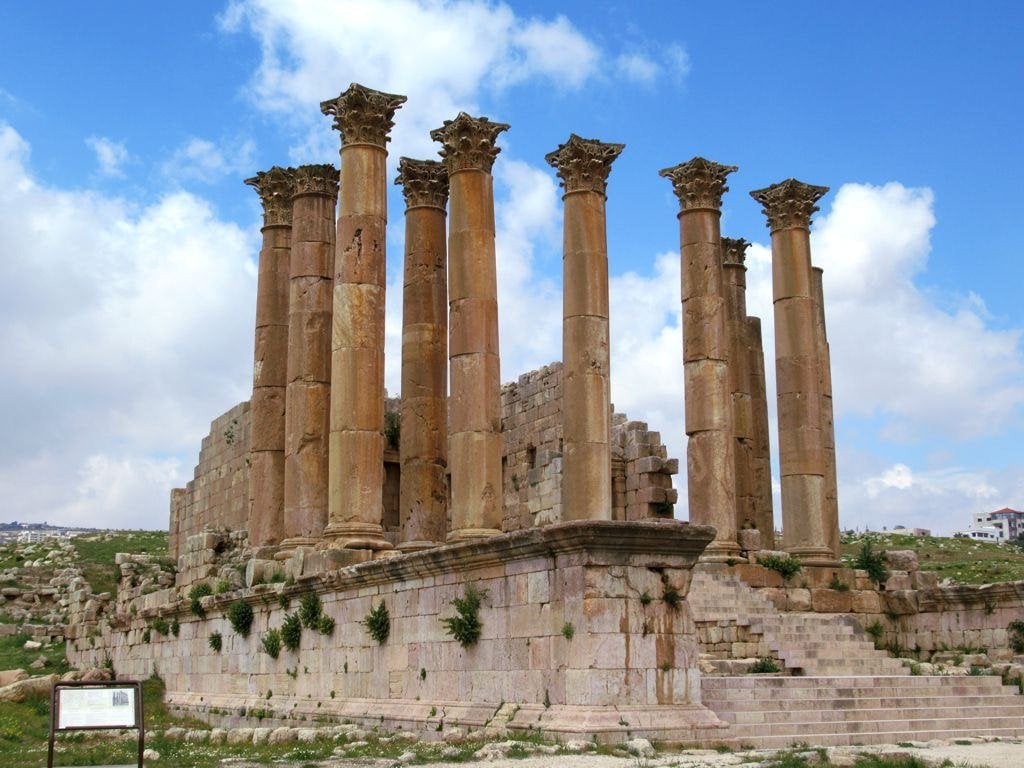
The final wonder of the world on the list is the Temple of Artemis, which was dedicated to the ancient goddess of the same name. This temple was ironically built three different times. It was only after its third iteration that the temple was finally inducted into the list of ancient Wonders of the World. The first version of the temple was constructed in the Bronze Age. It then went on to be destroyed by a flood, but its reconstruction was very grand and it took ten years to build the second version. The second version was finally destroyed in 356 B.C, and it was finally rebuilt into its final form. It is not clear when the final temple was destroyed, but it was clearly torn down during the advent and rapid rise of Christianity.
In conclusion, we can state that of all the wonders of the ancient world, the Great Pyramid of Giza is the only one to stand the test of time!