Table of Contents (click to expand)
Coal mining is the process of extracting coal from the ground using one of two broad approaches: surface mining (strip mining and mountaintop removal), used when seams sit within roughly 50-80 metres of the surface, and underground mining (mainly room-and-pillar and longwall methods), used for deeper seams. Coal still supplies roughly a quarter of the world’s primary energy, though US consumption has fallen sharply from around 700 million tons in 2016 to about 325 million tons in 2024 as gas and renewables have taken over.
Coal mining satiates roughly 1/4 of our global energy demands, and it is coal that has powered America’s power needs for decades. This is not only true of the US; Europe has also reaped the rich benefits of coal. The industrial revolution was only possible due to the utilization of coal to power steam engines. These steam engines helped in the rapid expansion of international trade, as they played a critical role in the development of railways and steamships.
Coal mining (also called colliery) is the process of extracting coal from the ground’s surface or from deep underground. Coal miners literally raze entire mountain ranges to feed our insurmountable desire for cheap energy. There’s something brutally simple about coal mining. Take away the monstrous-but-sophisticated machinery and eco-friendly-but-incredulous marketing jargon and it’s the same murky, perilous job that it’s always been—find the black stuff and dig it up for consumption by power plants. Let’s now look into more detail of what coal actually is and how it is mined.
How Is Coal Formed?
Coal is formed when dead plants and other organic matter is submerged in swamp environments and subjected to the geological forces of pressure and heat over millions of years. Over time, this organic matter transforms from moist peat into coal—an energy- and carbon-rich dense black or brownish-black sedimentary rock. Coal obtained in different places is not the same and varies widely depending on the nature of the soil and geographic conditions.
Coal Types
Coal can be broadly classified into four types: lignite, sub-bituminous, bituminous, and anthracite, in ascending order of carbon and energy content. Most of the coal burned in power plants in the US are either bituminous or sub-bituminous.
Coal Mining Process
US coal consumption has fallen sharply over the past decade: from around 700 million tons in 2016 to roughly 325 million tons in 2024 (per the US Energy Information Administration). More than 90% of US coal goes to power plants to generate electricity, while the rest is burned for other industrial and commercial uses. All of this coal comes from mines that are either (near) surface or underground. Both forms of mining cause critical ecological shifts, not only killing dozens of miners every year, but also afflicting ill health effects on infants born in the proximity of colliery operations.
Surface mining and underground mining are the two major schools of coal mining. To qualify for surface mining, the coal deposits must be within 50-80 meters of the surface. The job of a miner primarily involves removing ‘overburden’— rock, soil, trees etc. – that mix with the coal deposits and cover them near the earth’s surface. They need to clear this material so the layer of coal is clear and available for extraction. Now, let’s look into each of these two mining types in a bit more detail.
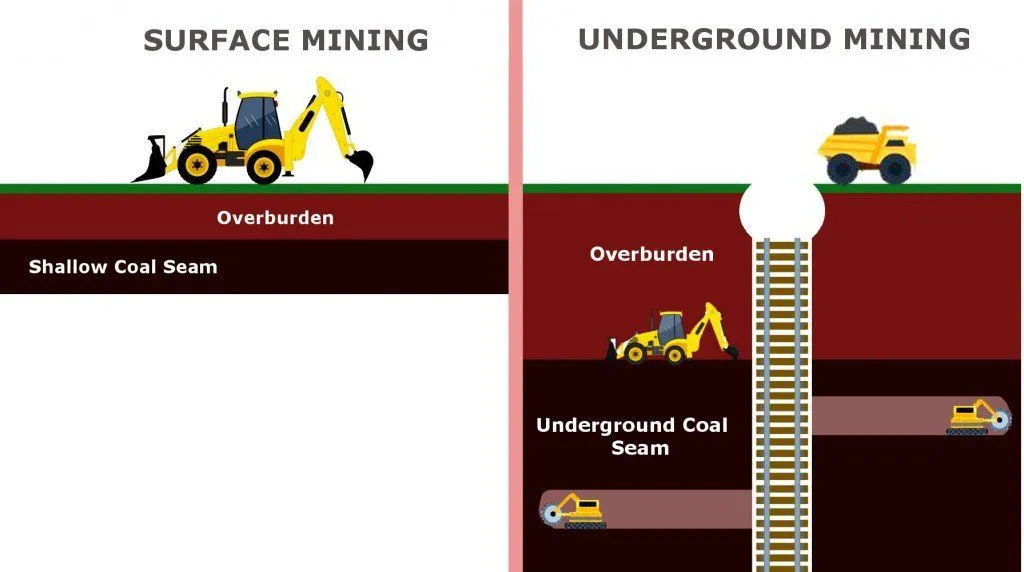
Underground Mining
Room and pillar and longwall are two dominant methods that account for the vast majority of underground coal mining.
Room And Pillar Mining
In this mining strategy, seams of the coal are mined partially, leaving large pillars of coal intact in a bid to support the overlying layers of rock. When they are done, miners practice what is known as retreat mining. In retreat mining, they extract the maximum amount of coal they can from the remaining pillars on their way out, allowing the roof of the coal seam to collapse.
Longwall Mining
This mining strategy involves cutting long tunnels into a coal seam and removing the extracted coal using an arrangement of conveyor belts. A temporary hydraulic support system is installed to hold the rock ceiling in place as the miners and machinery move along the coal seam.
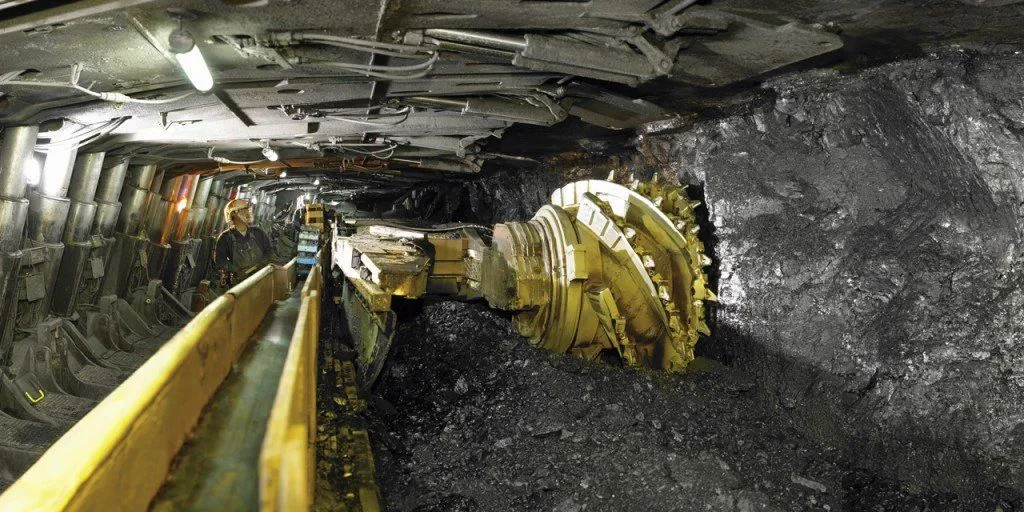
Both of these popular underground mining strategies, i.e., room and pillar and longwall mining, are performed with very powerful mining machines that can rapidly cut coal from the face of the seams. These sophisticated machines have gradually replaced more ineffective and risky methods, such as intermittent drilling of the coal seam and blasting with explosives.
Surface Mining
Strip mining and mountaintop removal are two popular surface mining strategies when coal seams are located close to the surface of the earth.
Strip Mining
In strip mining, the first step is to strip off the vegetation and soil in the vicinity of the surface to be mined for coal. The large intermediate layer of sediment and rock, i.e., the ‘overburden’ is then blasted and removed using large trucks. Once exposed, the underlying coal seam is excavated in strips and transported out using a system of conveyor belts or trucks. The strip mining process relies heavily on large machinery and requires far fewer workers per unit of coal.
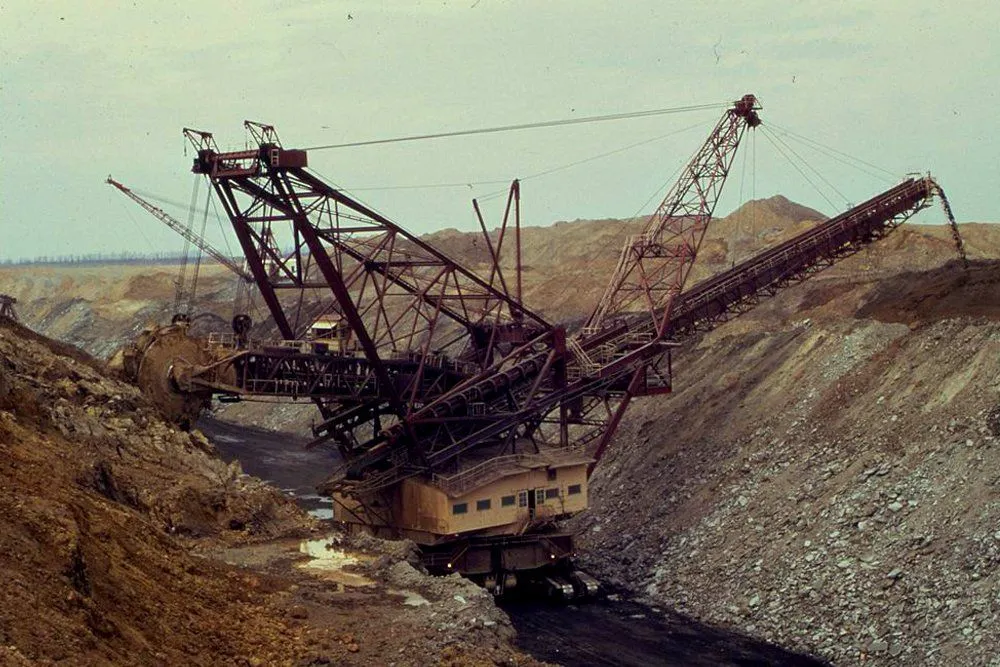
Mountaintop Removal (MTR) Mining
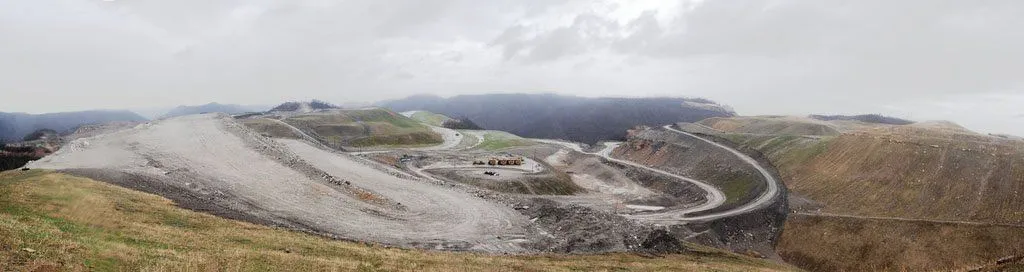
Mountaintop removal or MTR, in short, is arguably the most destructive style of coal mining. It is currently practiced in a few colliery operations in Virginia and Kentucky. It requires stripping all the trees from a mountaintop and then blasting off the top of the mountain with explosives to uncover the coal seams beneath.
The debris generated from this blasting is usually dumped into adjacent valleys, which causes irrevocable damage to the local environment. MTR methods leave behind flattened areas with soils that can barely support grass, let alone trees, foliage and wildlife.
Despite being the major engine powering America’s copious energy needs in the past, US coal consumption has more than halved since the mid-2010s, with cheap natural gas, wind and solar steadily displacing it for electricity generation. Major US coal producers like Peabody Energy, Arch Resources and the now-defunct Murray Energy have either filed for Chapter 11 or shrunk dramatically; globally, however, coal demand hit a fresh all-time high of around 8.8 billion tonnes in 2024, driven mostly by China and India (per the International Energy Agency).
References (click to expand)
- Coal - at http://LSA.colorado.edu. The University of Colorado
- (1974) Surface Coal Mining in Wyoming: Needs for Research and .... The University of Arizona
- Short-Term Energy Outlook - EIA. The U.S. Energy Information Administration
- The Hidden Cause of America's Coal Collapse. Rhodium Group
- Coal 2024 - Analysis and forecast to 2027. International Energy Agency