Poop floats when gas — usually from gut bacteria fermenting fiber and other food residues — gets trapped inside it and drops the overall density below water. A 2022 Mayo Clinic study showed that bacterial gas, not fat, is the main reason most healthy floaters happen. Persistently floating, greasy, foul-smelling stools (steatorrhea), however, can indicate fat malabsorption from pancreatic or intestinal disease, and are worth getting checked out.
We’ve all looked at our poop in the toilet at least once in our life… and probably a lot more. Have you noticed that some bits float, while others sink? Let’s figure out why that happens.
What Does A Healthy Poop Look Like?
First off, in the medical community, doctors often refer to poop as “stool”. It is a more proper definition for any materials excreted from the body as a result of bowel movements.

Every living system has an effective system for eliminating waste. Animals poop out, or “excrete,” their waste. Humans are no exception. We poop too!
It’s the body’s way of expelling waste. These waste materials are primarily undigested foods. These undigested foods are usually high-fiber foods like corn, vegetable seeds, nuts, etc.
Generally, a healthy stool sample tends to sink straight to the bottom of the bowl. This tendency comes down to one simple fact: density. Stool as a substance is denser than water, which causes it to sink into the water.
Why Then, Does Some Poop Float?
Similar to people and snowflakes—everyone’s poop is unique. This is because everyone consumes a different diet.
A person who likes consuming foods rich in fat and fiber might find that their poop floats, rather than sinks. Why does this happen?
These types of food generally tend to make an individual feel gassy and bloated. This can be exacerbated in individuals who are prone to acid reflux, IBS (Irritable bowel syndrome), or have some type of food intolerance, such as Lactose intolerance. When one suffers digestive disorders or ailments like these, they might find that they produce floating poops more often than others.
For example, a child who suffers from lactose intolerance might find himself running to the bathroom or suffering from a tummy ache after eating a cheese-loaded pizza at a friend’s birthday party. This happens due to the high amounts of fat and lactose in the cheese. This triggers his IBS.
Occasional occurrences of floating poop are normal, but floating poop can sometimes be indicative of an underlying issue. If your poop never sinks, it could be a symptomatic manifestation of a gastrointestinal infection, pancreatitis, or malabsorption.
How Does A GI Infection Cause Floating Poop?
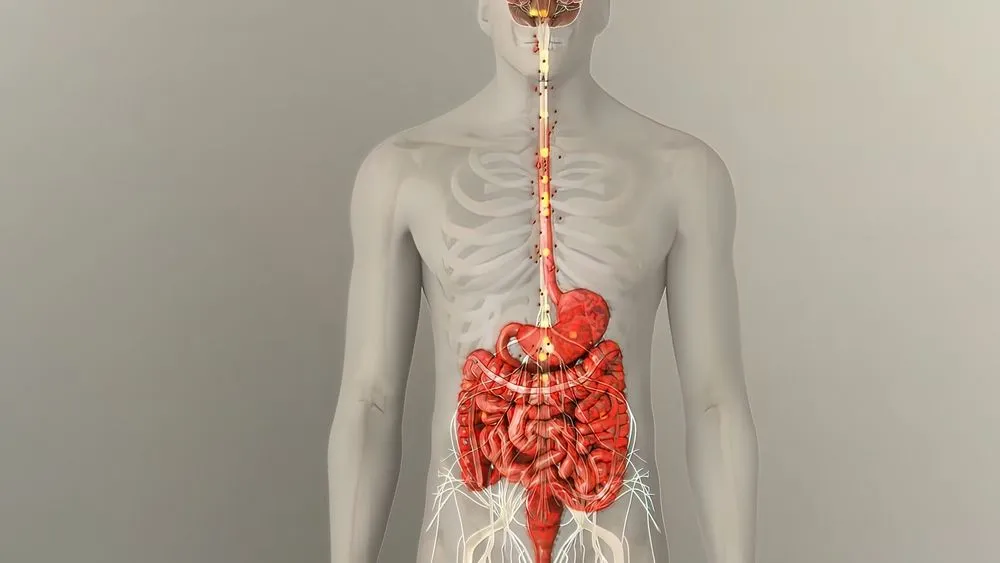
A gastrointestinal infection or GI infection refers to an infection of the gastrointestinal (GI) tract. The GI tract refers to the pathway formed by all the hollow organs that food follows once we gulp it down. The tract starts from the mouth and goes all the way to the anus.
What Forms The Lining Of The GI Tract?
This lining is formed of four layers. These layers are the Mucosa, Sub-Mucosa, Muscularis Propriae (made of muscles), and Serosa. The Mucosa is the outermost layer and interacts with any food that passes through the GI tract. It is composed of simple columnar cells. When microbes infect these cells, a GI infection is caused.
The microbes that cause the infection sometimes produce gas. This gas floats around the GI tract and eventually finds itself entrapped in any stool that is formed as a result of accrued digestion. This gas lowers the density of the stool, which causes it to float. A 2022 Mayo Clinic study published in Scientific Reports went further: working with germ-free mice (raised with no gut microbes at all), researchers found that those mice produced poop that always sank. Adding normal gut bacteria back was enough to start producing floaters, confirming that the gas inside floating poop comes mostly from the microbiome fermenting our food, not from the food itself.
GI infections may also affect the body’s mechanism of food absorption and cause the malabsorption of food.
The malabsorption of food results in fatty poops. Fatty poops are greasy and often gray. Fatty poops also float on the surface of the water. Additionally, malabsorption also causes stinky poops. In other words, if you find yourself having a hard time absorbing your food, it might be wise to invest in an air-freshener too!
Sometimes, malabsorption can be due to a result of impaired pancreatic activity. The pancreas is a digestive organ responsible for protein, carbohydrate, and lipid digestion.
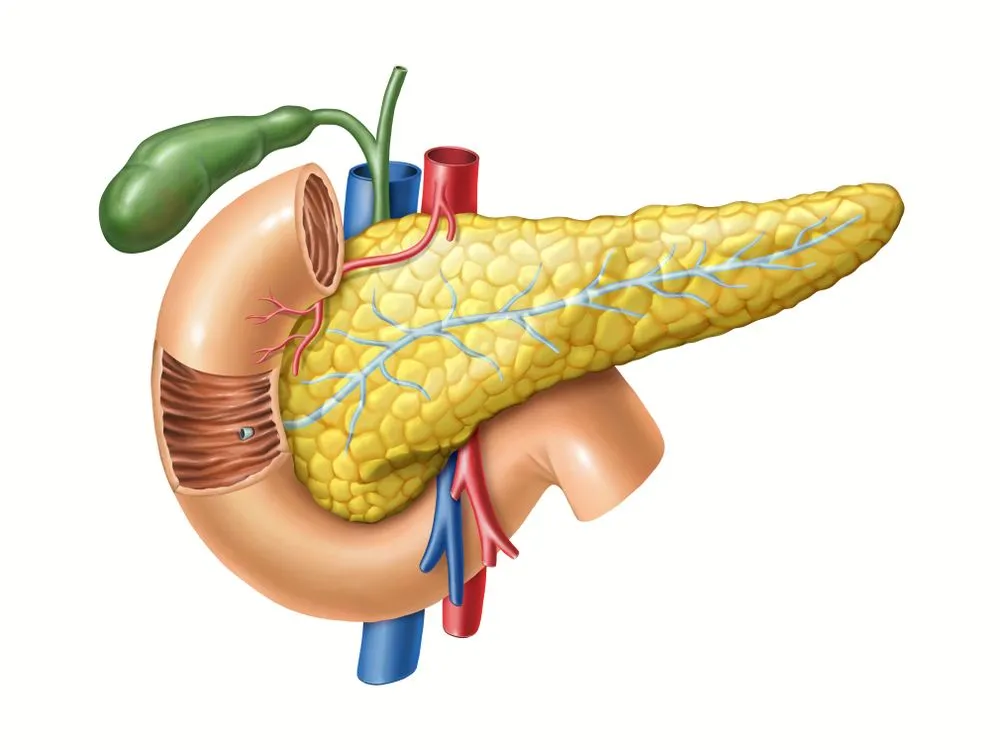
The pancreas also plays an important role in regulating blood sugar levels. When the pancreas finds that it cannot successfully continue to produce exocrine (when an organ produces enzymes that pass through ducts, rather than into the bloodstream directly) pancreatic enzymes and has compromised function, food is insufficiently absorbed and digested. Specifically, fat absorption is impacted, and as a result, malabsorption occurs and manifests as floating stool.
Does IBS Cause Floating Stool?
If you live with irritable bowel syndrome (IBS), you may have noticed your poop bobbing at the top of the bowl more often than you would like. You are not imagining it. Floating stools turn up more often in people with IBS than in people without it, and there are two good reasons why.
The first is gas. IBS changes how quickly food moves through your gut and how briskly your gut bacteria ferment it. More fermentation means more gas, and some of that gas gets trapped inside the stool, dropping its density until it floats. This is the same bacterial-gas mechanism behind most everyday floaters, just dialed up.
The second is fat. Some people with IBS, or with overlapping conditions like celiac disease, do not absorb dietary fat as well as they should. That leftover fat leaves stools greasy, pale, and buoyant, a pattern doctors call steatorrhea.
Here is the reassuring part: an occasional floater during an IBS flare is nothing to panic about. What is worth a conversation with your doctor is a stool that floats persistently, looks oily, smells especially foul, or arrives alongside unexplained weight loss. Those can point to fat malabsorption that deserves a closer look.
What Does It Mean When Your Poop Sinks?
So if floating can occasionally be a red flag, does that make sinking the gold standard? For the most part, yes. A stool that sinks is usually doing exactly what a healthy stool is supposed to do. Remember, poop is denser than water, so a well-formed sample naturally drops to the bottom of the bowl.

Doctors tend to read that gentle “plop” as a good sign. A brown, soft, sausage-shaped stool that sinks usually means you have a healthy balance of fiber, water, and waste moving through your system. That description lines up neatly with the middle of the Bristol Stool Chart, the seven-type scale doctors use to judge whether your stool is on the right track.
That said, sinking is not automatically perfect either. A stool that drops like a stone and is hard, lumpy, and difficult to pass sits at the constipated end of the scale, which often just means your body is asking for more fiber and water. The real signal is change, not sink versus float on any single day. If your poop normally sinks and then suddenly starts floating for weeks (or the reverse), that shift is what is worth mentioning to a doctor.
Conclusion
Floating poop can either be a once-in-a-while occurrence or a symptom of more serious underlying conditions. In general, consuming a healthier diet that is well-rounded in protein, carbohydrates and lipids, and caters to all micro- and macro-nutrient requirements, will massively boost an individual’s gut health.
Additionally, contrary to popular opinion, looking at your stool is not weird. Occasionally observing one’s stool is incredibly healthy! The color, size, and density of our stool provide us with a microcosm of our gut microbiota and gut health. It can provide reliable indicators of our overall health. A chart developed by researchers at the University of Bristol called the Bristol Stool Chart can be used to help deduce critical indicators from one’s stool.
References (click to expand)
- Pancreas: What Is It, Function & Location - Cleveland Clinic. Cleveland Clinic
- Stringy poop: What does it mean and is it normal?. Medical News Today
- Floating Poop: Causes, is it normal, and when to see a doctor. Medical News Today
- Sinking poop: What does it mean?. Medical News Today
- Should My Poop Float or Sink? When to Worry About Stool Buoyancy. UnityPoint Health
- Sinking Poop: What It Can Tell You About Your Health. Healthline