Table of Contents (click to expand)
Yes, human height decreases with age. Most people start shrinking around age 30 to 40 and lose roughly 1 cm (about 0.4 inch) per decade, for a total of about 2.5 to 7.5 cm (1 to 3 inches). It happens mainly because the spongy discs between the vertebrae in the spine flatten over time, with bone loss, muscle loss, and flattening foot arches adding to it. Women lose more height than men.
We have a family tradition where each year, on New Year’s Eve, we sit down and go through old albums. I don’t know who came up with it, but I enjoy it deeply. This year, when we were doing this annual ritual, I noticed that my grandmother looks shorter now than in pictures from when she was younger.
Of course, it’s just “old age”, but it’s intriguing to question what exactly happens to make us get shorter over time.
Does Our Height Decrease With Age?
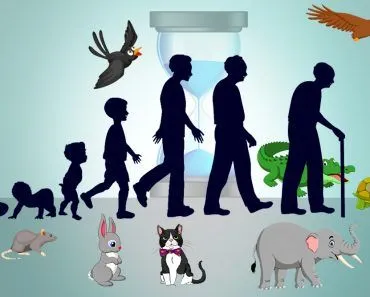
The unfortunate answer is “yes”. The height that most of us flaunt during our teens and twenties suddenly decides to leave us behind as we get older. As we age, our height tends to decrease, so we see our parents and grandparents “shrinking”.
This loss in height is observed in both males and females and across continents. Aging is universal; so too is our gradual reduction in height.
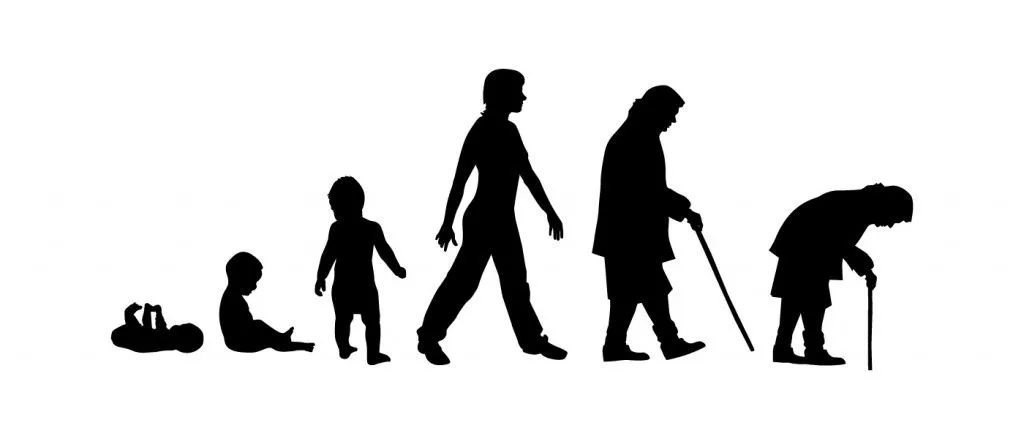
People typically begin losing their height around the age of 30 years (sometimes even 40 years). Every ten years after this age, humans lose almost one centimeter, which roughly translates to about one half of an inch. Thus, we may lose somewhere between 2.5 to 7.5 centimeters (1 to 3 inches) of our height as we age.
This decrease in height also accelerates with age: the older a person gets, the faster they lose their height.
Worth noting: not all height loss is permanent. You are actually a little taller in the morning than at night, regardless of your age. Over the course of a day, gravity gently squeezes water out of these same spinal discs, and you can lose somewhere between 1 and 2 cm (roughly half an inch to three-quarters of an inch) by bedtime. Lie down to sleep and the discs soak that water back up, so you wake up restored to your full height. The slow shrinking we are discussing here, by contrast, is the part that does not bounce back.
Differences In The Reduction Of Height For Males And Females
Men and women lose height differently. Women lose more inches as compared to males of the same age. It is not just more inches… women also lose height more rapidly than men. Moreover, women lose height more quickly after menopause.
The cumulative loss in height beginning from the age of 30 to 70 years was an average of 3 cm for men. However, the same value for women was 5 cm. However, by the age of 80 years, this value changed to 5 cm for men and 8 cm for women.
Research published in the American Journal of Epidemiology concluded that the height of men and women decreased with age in both cross-sectional and longitudinal analyses. The difference in heights due to sex were not evident during cross-sectional studies. However, it became clearly evident during longitudinal studies that the women lose their height more rapidly as they age, as compared to men.
Also, interestingly enough, for men, the rate of height loss depends on their initial height. This implies that taller men lose height more rapidly. However, this does not apply to women, the study found.
Reasons For Decrease In Height
The length of leg bones, the spine, and the skull determine the height of a person. These normally attain their maximum length by the end of adolescence, after which one’s height does not increase. During our ‘adult phase’, the length of the leg bones and skull remain pretty much the same, but the spinal bones tend to play a role in the reduction of height.
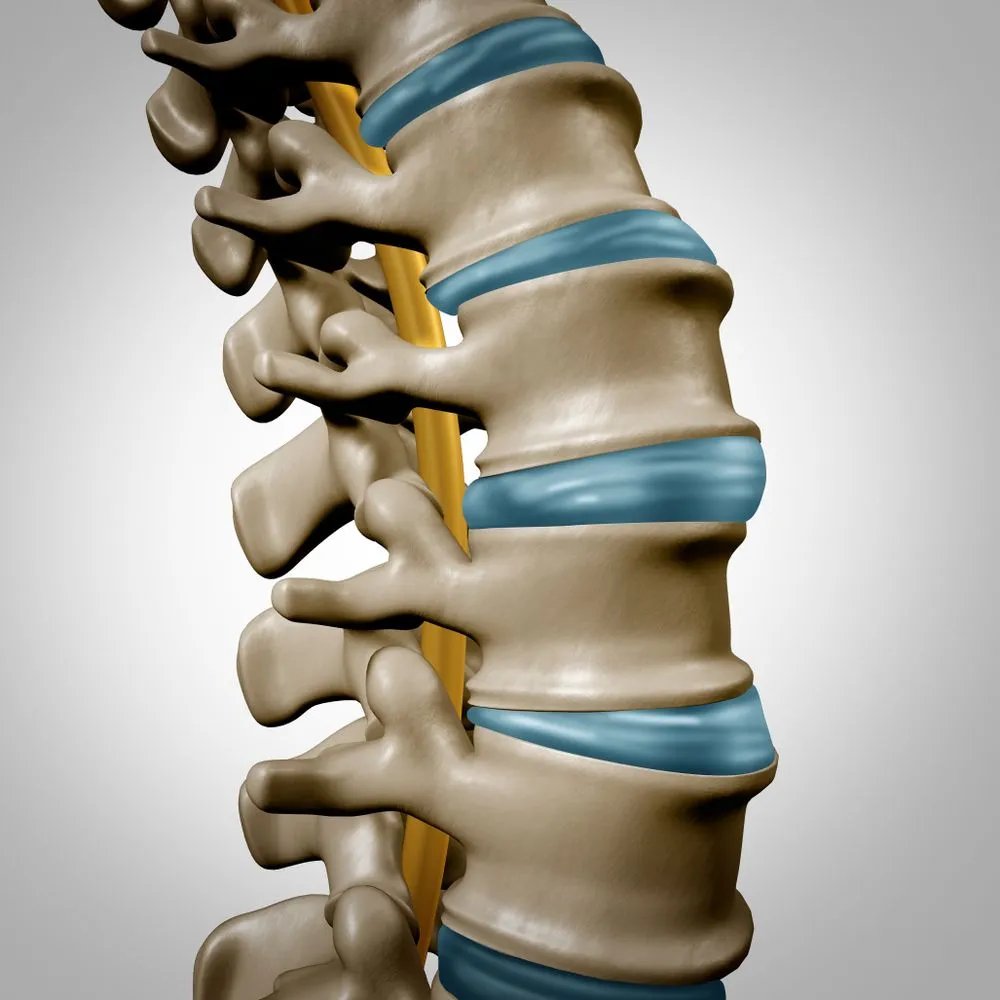
Our spine is made up of 24 bones, each called a vertebra. These are stacked one above the other and stretch from the back of our neck to our waist. Between each vertebra is a gel-like cushion called a disc. These vertebral discs play an essential role in maintaining our posture. Being cushion-like, they act as shock absorbers and give the back flexibility.
Reason 1
With age, the gel-like fluid depletes, causing the vertebral discs to become thinner. As this happens, the vertebrae come closer together, which leads to a person’s reduction in height. Furthermore, as a result of this fluid loss, the back becomes increasingly rigid as we age.
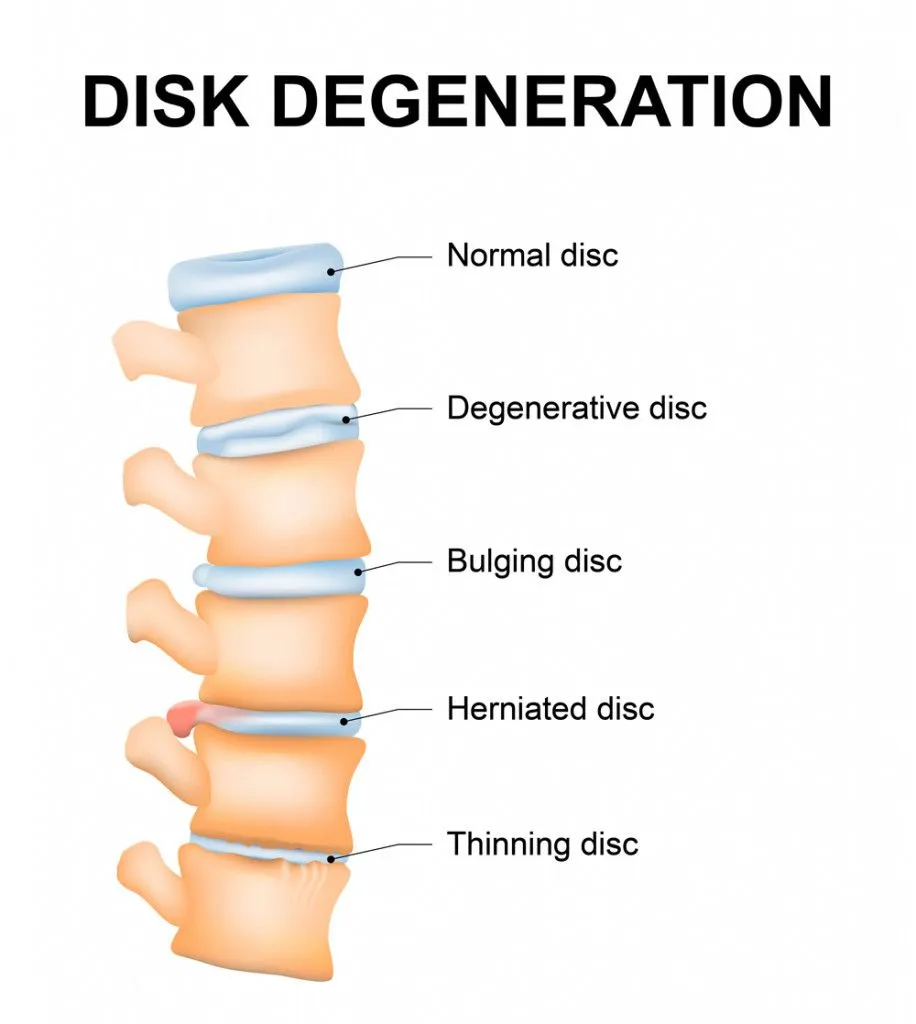
The vertebrae may also lose some of their mineral content, making them thinner and smaller in size. The long bones of the limbs also lose their mineral content, but they don’t change their length.
Reason 2
The ligaments of the foot start degenerating with age. This arches our foot down. As the foot becomes flatter, our height may reduce slightly. However, this effect is not as pronounced as the change caused by the vertebral discs.
Reason 3
The body loses its lean mass muscle with age due to, in part, atrophy or loss of muscle tissue. This condition, technically called sarcopenia, is age-related loss of muscle. The muscle fibers shrink and are replaced at a slower rate. This muscle loss is most prevalent in the torso, making us look even shorter.
Reason 4
For some people, especially older women after menopause, bones thin enough to develop osteoporosis. Weakened, porous vertebrae can slowly collapse under the body’s own weight in what doctors call vertebral compression fractures, and each collapsed vertebra shaves off a little more height. These fractures are the most common complication of osteoporosis, and they also help explain the stooped, rounded-back posture (kyphosis) seen in some older adults. This is the same low bone density that makes women lose height faster than men, so keeping bones strong is one of the few parts of height loss you can genuinely push back against.
How Much Height Loss Is Normal, And When Should You See A Doctor?
The slow, steady shrink we have been describing, on the order of 1 cm (about 0.4 inch) per decade, is a normal part of growing older. On its own, it is nothing to worry about. What doctors watch for is height that drops faster or further than that.

As a rough guide, the American College of Obstetricians and Gynecologists suggests that a measured loss of 2 cm (about 0.8 inch) within three years, or 4 cm (about 1.6 inches) compared with your peak height as a young adult, is enough to justify a spine X-ray to look for a hidden fracture. A larger lifetime loss of around 5 cm (2 inches) has been linked to roughly a 60% higher risk of hip and other non-spine fractures, independent of bone density.
These thresholds matter because a large share of “extra” height loss comes from osteoporosis and the silent vertebral compression fractures we mentioned above. A weakened vertebra can quietly collapse under the body’s own weight without causing sharp pain, so a shrinking stature is sometimes the first visible clue that bone density has fallen.
Height even doubles as a rough health signal. A large Japanese study that followed 222,392 adults found that losing just 0.5 cm or more over two years was associated with about a 26% higher risk of dying in the years that followed. Losing height does not cause poor health; it is a marker that flags underlying changes worth checking. So while a gentle, gradual decline is expected, a sudden or noticeable drop, especially alongside back pain or a newly stooped posture, is a good reason to book a check-up and ask about a bone-density (DXA) scan.
Can Your Height Decrease At A Young Age?
This is one of the most common questions people ask, and the reassuring answer is that the aging-related shrink usually does not begin until around age 30 to 40. A permanent loss of height in your teens or twenties from aging alone is uncommon. That said, your height is never perfectly fixed, even when you are young. As we saw earlier, you stand 1 to 2 cm taller in the morning than at night simply because your spinal discs squeeze out water over the course of the day, and a good night’s sleep restores it.

When a young person genuinely loses stature, it usually points to a specific spinal condition rather than ordinary aging. The most common is scoliosis, a sideways curve of the spine that is most often diagnosed between the ages of 10 and 18. Because the spine bends and twists instead of standing straight, the trunk ends up shorter. One analysis estimated that idiopathic scoliosis costs an average of about 3.4 cm of height in females and 2.9 cm in males, and that severe curves beyond 80 degrees can shave off 3.5 to 5.5 cm or more.
Disc trouble is another culprit. A herniated or worn intervertebral disc, which flattens the cushion between two vertebrae, is often thought of as an older person’s problem, but it is turning up earlier. In one study of people aged 25 and under, poor sitting posture, spending more than six hours a day seated, a high body mass index, and previous back injury all raised the odds of a herniated disc. So while true aging-related height loss waits until your thirties, a measurable drop before then is worth mentioning to a doctor, because it usually signals something specific rather than the clock.
Can Anything Be Done To Stop This Reduction In Height?
Nothing can really push the stop button, but we can decelerate this change. Some habits and lifestyle changes can reduce the decrease in height by an inch or two.
- Exercise: This is, by far, the best way to reduce problems related to bones and muscles, and thus indirectly influence your height. A moderate amount of mild exercise should be encouraged.
- Good diet: A diet rich in calcium and Vitamin D helps maintain the bones and compensates for the mineral loss by the vertebrae.
- Smoking and drinking excessive amounts of alcohol or caffeine must be avoided.
A little decrease in height with age is inevitable. It cannot be stopped, but it can be slowed down through appropriate diet, regular exercise, and general avoidance of alcohol, tobacco, and caffeine.
References (click to expand)
- Aging changes in the bones - muscles - joints - MedlinePlus. MedlinePlus
- Sorkin, J. D., Muller, D. C., & Andres, R. (1999, November 1). Longitudinal Change in Height of Men and Women: Implications for Interpretation of the Body Mass Index: The Baltimore Longitudinal Study of Aging. American Journal of Epidemiology. Oxford University Press (OUP).
- Dey, D., Rothenberg, E., Sundh, V., Bosaeus, I., & Steen, B. (1999, November 29). Height and body weight in the elderly. I. A 25-year longitudinal study of a population aged 70 to 95 years. European Journal of Clinical Nutrition. Springer Science and Business Media LLC.
- Aging changes in body shape - MedlinePlus. MedlinePlus
- Do People Shrink as They Age? - UAMS Health. uamshealth.com
- New Osteoporotic/Vertebral Compression Fractures. Endotext. NCBI Bookshelf.
- Diurnal T2-changes of the intervertebral discs of the entire spine and the influence of weightlifting. Scientific Reports (2020). PMC.
- Osteoporosis Prevention, Screening, and Diagnosis: ACOG Recommendations. American Academy of Family Physicians (AAFP).
- Association between height loss and mortality in the general population. PMC. National Center for Biotechnology Information.
- Scoliosis. Cleveland Clinic.
- The use of growth standards and corrective formulae to calculate the height loss caused by idiopathic scoliosis. Scoliosis and Spinal Disorders. PMC.
- Risk factors for lumbar disc herniation in adolescents and young adults: A case-control study. PMC.