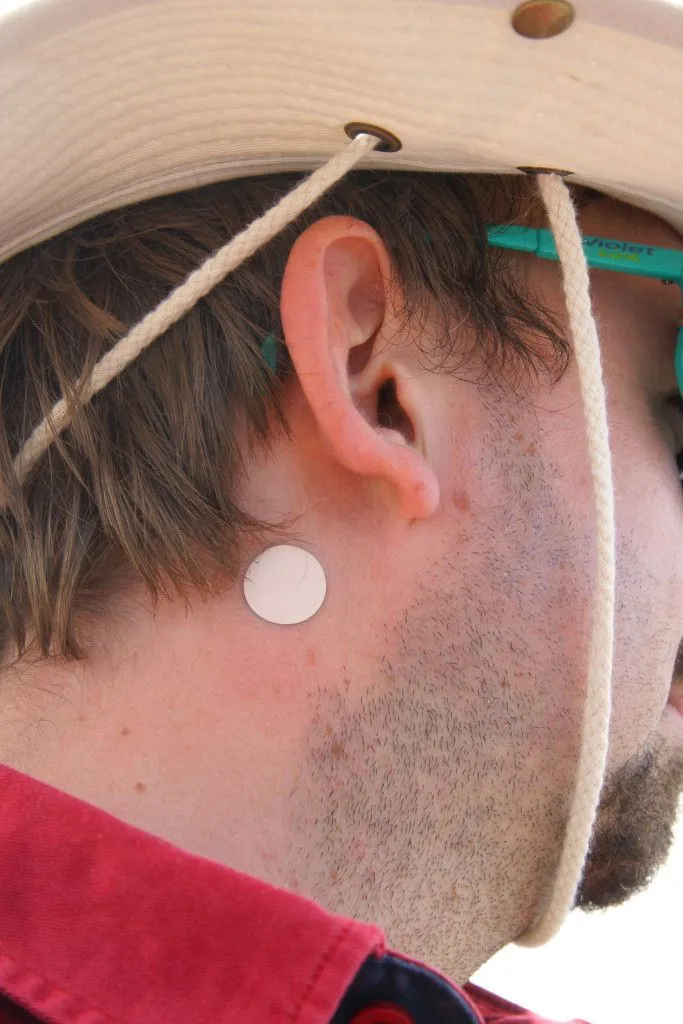
Motion sickness patches, sold under brand names like Transderm Scop and Scopoderm, are small adhesive disks worn behind the ear that slowly release the plant-derived alkaloid scopolamine through the skin. Scopolamine blocks muscarinic acetylcholine receptors in the brain’s vomiting center and the inner-ear vestibular pathway, dampening the conflict-driven nausea signal that causes motion sickness. A single patch typically delivers medication for up to 72 hours and is most effective when applied at least 4 hours before travel.
Have you ever felt nauseous while riding in a car and simultaneously trying to read a book or scroll through your phone? Or perhaps you’ve gone “green” while on a boat or ship? Or what about a rollercoaster ride? That intense feeling of nausea you experience when you are on moving objects like cars, ships, or rollercoasters is commonly called “motion sickness”.
The discomfort goes by different names, such as car-sickness or sea-sickness, but the symptoms remain the same across all modes of transport.
The word ‘nausea’ itself owes its origins to motion sickness! It was derived from the Greek word ‘naus’ meaning ship, to denote the sickness felt during sailing on a ship. Historically, ancient Greeks, Romans, and Chinese historians and academics recorded several accounts of seasickness in their classics.

Motion sickness had caused considerable distress to Napoleon and his ‘camel corps’ – a military squadron that used camels for transport, during his campaign in Egypt (camel sickness to be exact!). In modern times, astronauts experience a form of ‘space motion sickness’ in spacecraft.
It is a problem that humans have faced across time while using various forms of transport.
Fortunately, with developments in science, we have been able to come up with a brilliant solution to this problem—motion sickness patches.
Stick one of these patches behind your ear and Voila! You’re good to go on that long drive or boat trip, without your innards churning! So what is the magic behind this simple remedy?
Behind The Scenes Of Motion Sickness
In simple terms, motion sickness is a syndrome caused by real or perceived motion that leads to a person experiencing nausea, vomiting, cold sweats, and other unpleasant symptoms, but why does something as harmless as movement cause sickness?
When you’re riding in a car and looking at a stationary object, like a book or a phone, your eyes report to the brain that you are ‘not moving’.
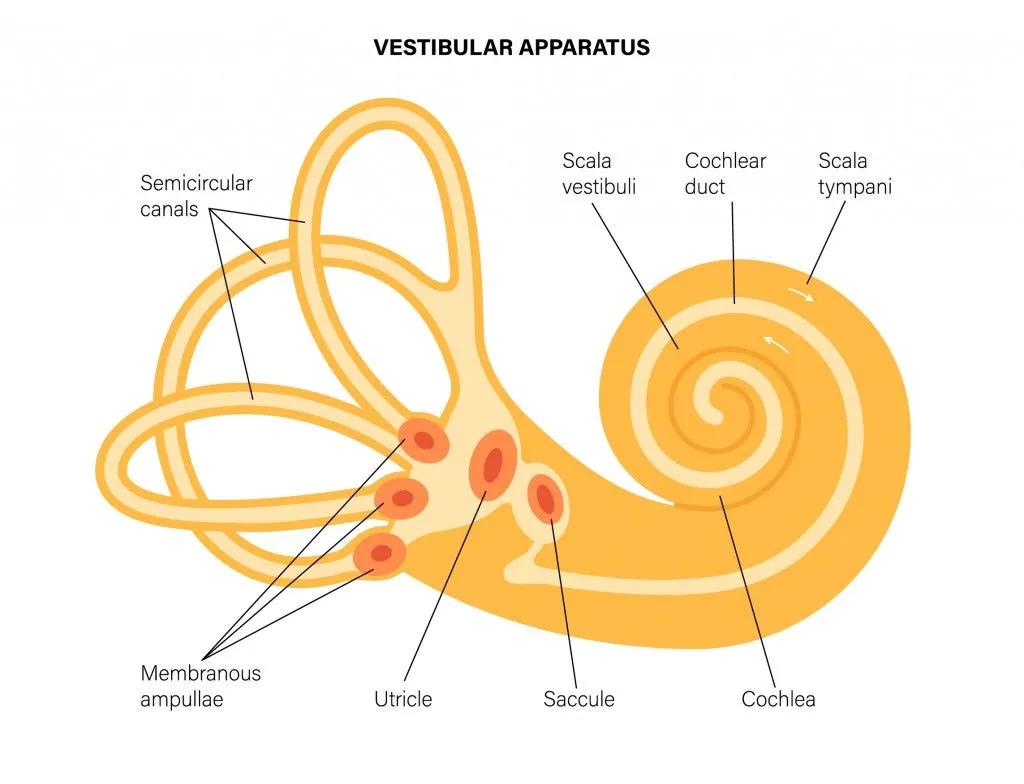
At the same time, the vestibular system in your inner ear, which takes care of balance, reports a completely different story to your brain.
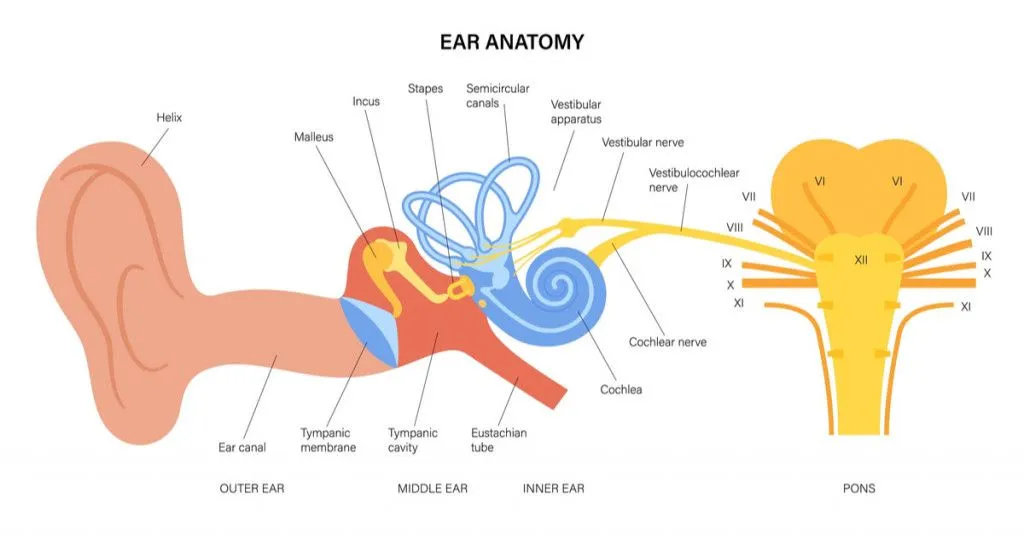
Inner ear structures called semicircular canals detect rotational motion, whereas the utricle and saccule detect linear motion. These structures detect the movement of the car from your head movement and report to the brain that you are ‘moving’.
Your brain thus receives conflicting information from the inner ear, the eyes, and your other senses.
As a result, it concludes that your sense organs are going whack after ingesting a toxic substance. This is because, in a natural setting, that’s the only scenario that can cause such mismatched reports from the senses.
The real cause—transportation—is a recent human invention, and an artificial setting that the brain is not evolutionarily built to handle.
In response to confusing reports from the senses, the brain signals a region in the brainstem within the fourth ventricle, called the ‘Area postrema’.

This region signals the “vomiting center” in the medulla, to initiate vomiting in order to eliminate the hypothetical “ingested” toxin to defend the body. This is the leading theory explaining the evolutionary origins of motion sickness and its purpose, termed the “Toxin detector hypothesis”.
How Does A Motion Sickness Patch Work?
Motion sickness transdermal patches work by manipulating the evolutionary ‘toxin detector’ mechanism of the brain.
These patches contain a compound called Scopolamine (also called Devil’s breath), a type of alkaloid derived from plants of the Solanaceae family.
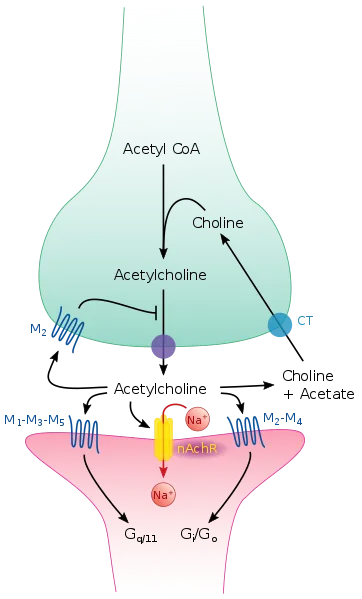
The brain regions involved in the emetic (vomiting) response communicate using a neurotransmitter called acetylcholine. Scopolamine competes with acetylcholine, and binds to its receptors on neurons, thereby inhibiting its effect. The state of acetylcholine is akin to that of a player in a game of ‘musical chair’, who is unable to find any seats because they are all being occupied by scopolamine.

The transdermal scopolamine patches are applied behind the ear (this hairless spot has thin skin and good blood flow, which helps the drug enter the bloodstream steadily), slowly and consistently releasing the chemical, to be absorbed into the body. Each patch is roughly the size of a small coin and contains about 1.5 mg of scopolamine total, releasing roughly 1 mg over 72 hours, which is why a single patch is good for a full three days of travel. The patch should ideally be put on at least 4 hours before motion starts, so the drug has time to build up to therapeutic levels. The drug binds to the acetylcholine receptors, which are present in high numbers in the neurons within the Area Postrema and in the vestibular pathway from the inner ear to the brainstem.
This inhibits the acetylcholine-based signaling from the brain from acting on the region, as the receptors in the region are already ‘jam-packed’ with scopolamine. The signal can no longer stimulate the Area Postrema. The vomiting center is not activated, so the vomiting response is not triggered by the brain.
Interestingly, scopolamine also has the reputation of being the ‘scariest drug in the world’. When used in inappropriate amounts, it can wipe out a person’s memory and even cause death. For this reason, there are records of it being used by criminals for manipulating, assaulting and robbing victims.
At the therapeutic dose released from a patch, the common side effects are far milder but worth knowing about: dry mouth, drowsiness, blurred vision and dilated pupils (often only in one eye, the side where the patch was worn, if you touch the patch and then rub your eye). Scopolamine patches are prescription-only in the US but available over the counter in some other countries; the FDA lists glaucoma, urinary retention and pyloric obstruction among the conditions where they should be avoided. After removal, wash your hands and the application site, and dispose of used patches safely, since they still contain residual drug.
Do Motion Sickness Patches Actually Work?
Knowing how the patch is supposed to work is one thing, but does it actually keep your stomach settled when the road turns winding? The short answer, backed by clinical trials, is yes, provided you use it the right way. A 2011 Cochrane review pooled 14 randomized controlled trials covering 1,025 people and found that scopolamine roughly halved the risk of developing motion sickness symptoms compared to a placebo (a risk ratio of about 0.48). When pitted against common antihistamine tablets such as dimenhydrinate (sold as Dramamine), scopolamine held its own, though the reviewers cautioned that the trials were too small and too varied in quality to crown one clearly better than the other.
There is one catch that trips people up, though: the patch is a preventive, not a rescue. Scopolamine has to seep through the skin and build up steadily before it can occupy enough acetylcholine receptors to matter, which is why the label tells you to apply it at least 4 hours before you set off. Sticking one on after you already feel green does little good. In fact, the Cochrane reviewers noted that no trial has ever tested scopolamine on motion sickness that has already begun, only on preventing it in the first place.
Once applied, a single patch keeps releasing the drug for up to 3 days. For a longer voyage, you simply peel off the old one and place a fresh patch behind the other ear. So if you plan ahead and put it on before you board, the evidence says a scopolamine patch will meaningfully tilt the odds toward an uneventful, vomit-free journey.
What Are The Alternatives To A Motion Sickness Patch?
Because the scopolamine patch needs a prescription in the United States, plenty of travelers reach for something off the pharmacy shelf instead. The most common choice is an over-the-counter antihistamine tablet, usually dimenhydrinate (sold as Dramamine) or meclizine (sold as Bonine, and also as Dramamine Less Drowsy). Like scopolamine, these drugs quiet the brain signals that set off nausea, but they are swallowed rather than trickled in through the skin, so they act for hours rather than days. For that reason they work best when taken roughly 30 to 60 minutes before you set off. Meclizine tends to make people less drowsy and is taken just once a day, while dimenhydrinate acts a little faster but wears off sooner, so it is usually re-dosed every 4 to 6 hours.

One quirk is worth knowing: only the older, sedating antihistamines help here. The newer “non-drowsy” allergy pills such as cetirizine, fexofenadine and loratadine do little for motion sickness, precisely because they are engineered to stay out of the brain, which is exactly where the queasiness is generated. And just like the patch, tablets are a preventive rather than a rescue, so they need to be on board before your stomach is.
If you would rather skip medication, the two remedies you will see marketed most are acupressure wristbands and ginger. Wristbands such as Sea-Bands press a small stud against the Neiguan (P6) point on the inner wrist, but controlled laboratory trials have found them to be no more effective than a placebo, and the UK’s NHS bluntly notes that they “do not work for everyone.” Ginger, taken as candied pieces, capsules or tea, fares little better: health authorities describe its supporting evidence as weak and contradictory. Neither is likely to do any harm, though, which is part of why they remain popular with travelers who want a drug-free option to try first.
Summary
When we use transport of any kind, the brain receives conflicting information from the senses about the environment. As a result, it concludes that we have ingested a toxin, so it directs the body to vomit to eliminate the toxin. This is commonly termed motion sickness and can be experienced in ships, cars, camels, or even spacecraft. It is the result of our bodies and brains not being built to handle the artificial types of movement involved in transportation.
Fortunately, we have a quick fix in the form of adhesive patches that contain a chemical called scopolamine, which can inhibit the vomiting response triggered by the brain. It works by manipulating the communication pathways between neurons in the vomiting response that employ the neurotransmitter called acetylcholine. So, the next time you want to make sure that projectile vomiting doesn’t ruin your amusement park visit or road trip, you may want to consider a Scopolamine patch!
References (click to expand)
- Huppert, D., Benson, J., & Brandt, T. (2017, April 4). A Historical View of Motion Sickness—A Plague at Sea and on Land, Also with Military Impact. Frontiers in Neurology. Frontiers Media SA.
- Treisman, M. (1977, July 29). Motion Sickness: An Evolutionary Hypothesis. Science. American Association for the Advancement of Science (AAAS).
- Pedigo, N. W., Jr., & Brizzee, K. R. (1985, February). Muscarinic cholinergic receptors in area postrema and brainstem areas regulating emesis. Brain Research Bulletin. Elsevier BV.
- Spinks, A., & Wasiak, J. (2011, June 15). Scopolamine (hyoscine) for preventing and treating motion sickness. Cochrane Database of Systematic Reviews. John Wiley & Sons, Ltd.
- Scopolamine Transdermal Patch. MedlinePlus Drug Information. U.S. National Library of Medicine.
- Motion Sickness. CDC Yellow Book 2026. Centers for Disease Control and Prevention.
- Motion sickness. National Health Service (NHS), United Kingdom.
- Motion sickness: How you can prevent symptoms and enjoy travel. UC Davis Health.
- Dimenhydrinate Tablets. Cleveland Clinic.