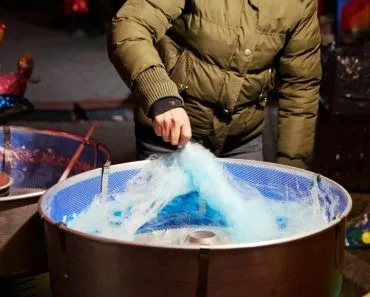
Glass is made from liquid sand. More specifically, glass is made by heating ordinary sand (mostly composed of silicon dioxide SiO2) until it melts and turns into a liquid. The molten sand is allowed to cool, and it turns into a frozen liquid or an amorphous solid.
Over the course of human history, there was a Stone age, and then a Bronze age, and there’s even been an Iron age. The question is, what moniker would you give to the age in which we’re presently living? Personally, I vote for calling it the Glass Age!
Glass Is Ubiquitous
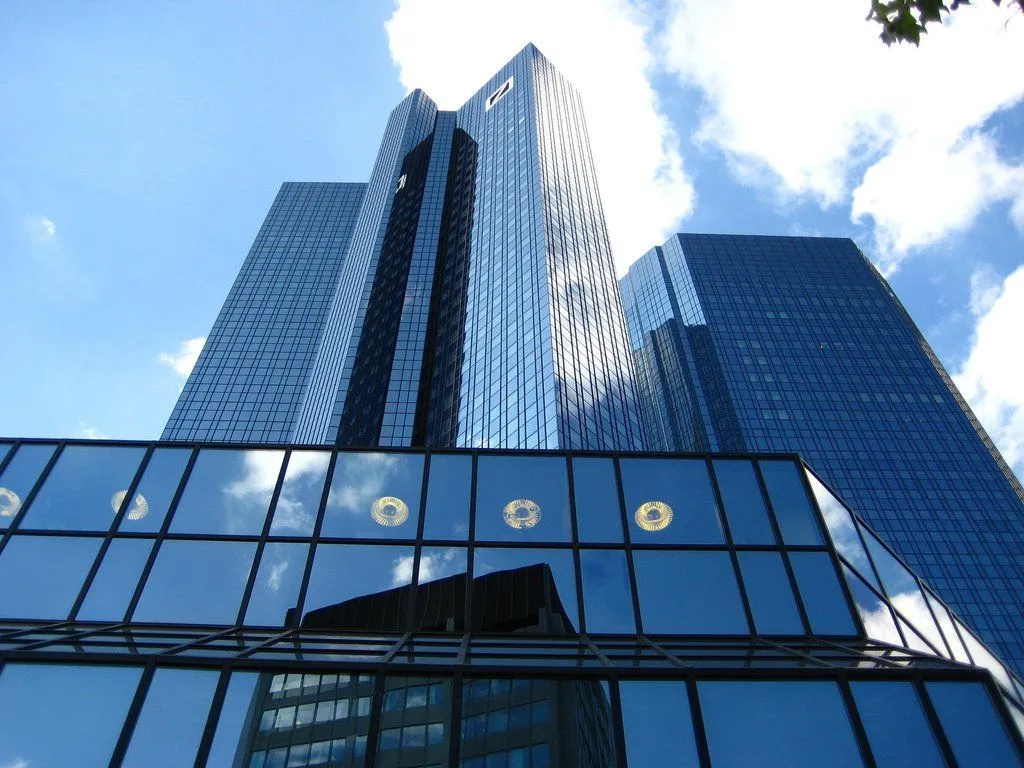
Today, there is hardly any area of life in which glass is not used in one form or another. The windows of houses, cars, ships, trains, and even the airplanes are made from glass sheets. The list of glass products is practically endless, from water vessels, tumblers, decoration articles, different kinds of bottles and sunglasses to spectacles, flasks, lab items, incandescent bulbs, fluorescent tubes and hundreds of other items we use directly or indirectly in our daily life. Have you ever wondered how this incredibly useful material is made?
What Is Glass Made Of?
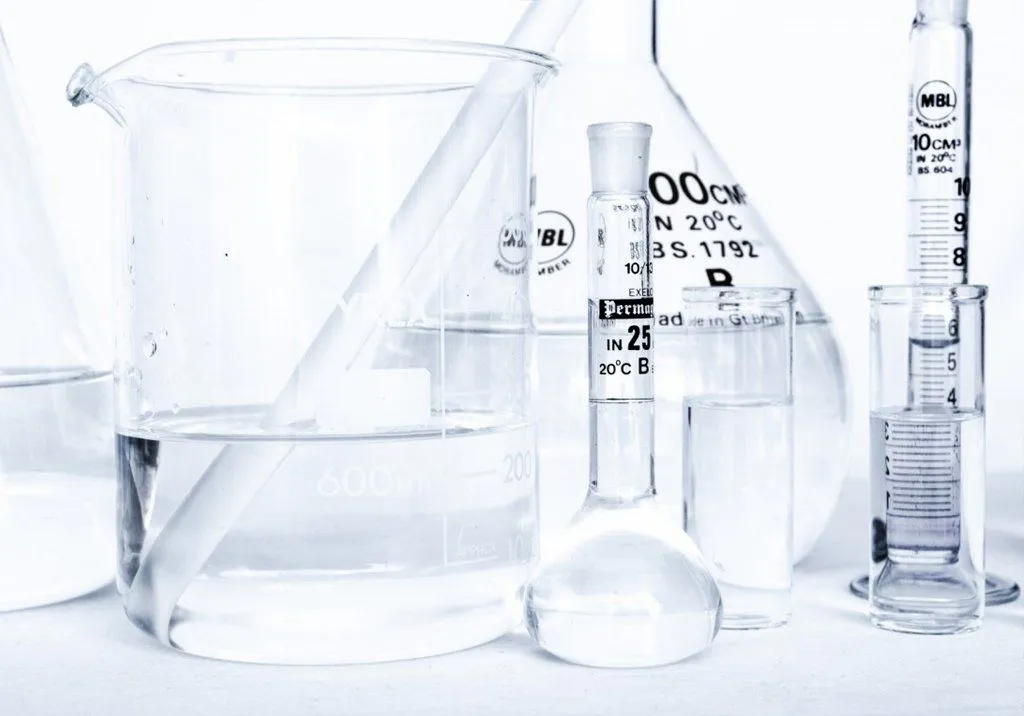
So what, exactly, is glass made of? At its heart, glass is silica, the very same silicon dioxide (SiO2) that makes up ordinary sand. Silica on its own can be turned into glass, but it is an expensive way to do it, because pure silica only melts at around 1700 °C (3092 °F). To make the everyday glass in your windows and drinking bottles far more cheaply, manufacturers blend the sand with two other ingredients.

The first is soda ash (sodium carbonate, Na2CO3), which lowers the temperature at which the sand melts and makes the batch much easier to work. The second is limestone (calcium carbonate, CaCO3); without it, a glass made from just soda and sand would slowly dissolve in water, and the lime is what makes the finished product tough and durable. The result is called soda-lime-silica glass, and it accounts for the overwhelming majority of the glass produced worldwide, from bottles and jars to flat window panes.
By weight, a typical soda-lime glass ends up being roughly 72% silica (SiO2), 15% soda (Na2O) and 9% lime (CaO), with a few percent of other oxides mixed in. Strip all of that back to the periodic table and glass is built from just a handful of common elements: silicon and oxygen from the sand, plus sodium and calcium from the soda ash and limestone. In other words, the crystal-clear pane in front of you began life as little more than sand, ash and crushed rock.
Mysticism Of Glass: Is Glass A Liquid?
Although glass has a plethora of applications, it also has a tinge of mysticism around it, likely due to its strange chemical and physical behavior. It is strong enough to protect us, but it can also shatter frantically into thousands of pieces. It’s made from opaque sand, yet it’s completely transparent. And, perhaps most startling of all, it sits in a category of its own: glass is an amorphous solid. (You may have heard the popular story that medieval cathedral windows are thicker at the bottom because glass is a slow-flowing liquid, but physicists have shown that is a myth; the unevenness comes from how the panes were made, not from flow.)
The Science Of Making Glass
This might be hard to believe, but glass is made from liquid sand. More specifically, glass is made by heating ordinary sand (mostly composed of silicon dioxide SiO2) until it melts and turns into a liquid. You may wonder why the same thing does not happen on hot days at the beach, but the answer is simple: pure silica melts at around 1713 °C (3115 °F), far hotter than any beach will ever get. Industrial glass furnaces sidestep some of this by adding a flux (soda ash) that drops the practical melting temperature to about 1500-1600 °C.
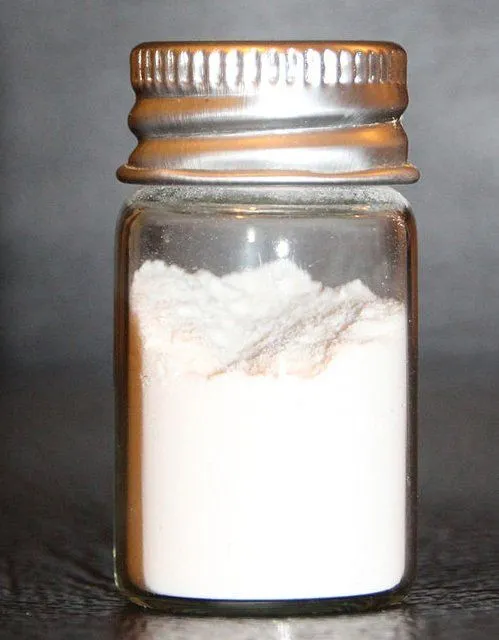
When the molten sand is allowed to cool, it doesn’t return back to its gritty yellow state that you began with. The heating breaks up the orderly crystal lattice of the sand, and on cooling the atoms are locked into a completely new internal arrangement. Importantly, the chemistry itself does not change: the sand is silicon dioxide before melting and the glass is still silicon dioxide afterwards, only rearranged (more on that just below). Regardless of the technique employed for cooling the molten sand, it never quite sets into a quintessential solid. Instead, it turns into a frozen liquid or, as a material science graduate would put it, an amorphous solid. Basically, glass is more like a cross between a solid and a liquid, featuring some crystalline structures generally found in solids, as well as some molecular randomness often seen in liquids.
Is Turning Sand Into Glass A Chemical Change Or A Physical Change?
This is one of the most common questions people ask about glass, and the honest answer is that it depends on which recipe you are talking about.
If you take pure silica sand, melt it and let it cool into fused-quartz glass, that is essentially a physical change. The sand starts out as silicon dioxide (SiO2) and the glass is still silicon dioxide; no new substance is created. What changes is the arrangement of the atoms. In sand, the SiO4 building blocks are stacked in a neat, repeating crystal lattice; in glass they are frozen into a jumbled, amorphous network with no long-range order. Same chemical, different structure. It is a little like melting an ice cube and refreezing the water into a random blob: still H2O, just rearranged.

The everyday glass in your windows is a different story. Making soda-lime glass from a raw batch of sand, soda ash and limestone does involve genuine chemical reactions. As the batch heats up, the carbonates break down: limestone (CaCO3) decomposes into calcium oxide and carbon dioxide, while soda ash (Na2CO3) reacts with the silica to form sodium silicates, again releasing carbon dioxide gas. New compounds are formed and CO2 bubbles out of the melt, which are both hallmarks of a chemical change.
So the tidy classroom answer is this: melting pure sand, or re-melting old glass, into fresh glass is a physical change, whereas cooking up commercial soda-lime glass from scratch is a mix of both, driven by real chemical reactions inside the furnace.
The History Of Making Glass
The art of making glass is very old. The first true man-made glass objects (beads and small ornaments) date to roughly 2500 BCE in Mesopotamia, with Egypt developing its own glass industry about a thousand years later, around 1500 BCE. (Even earlier artifacts, going back to 3500 BCE, look like glass but are actually faience, a glazed quartz ceramic.) The Romans industrialized glassblowing around the 1st century BCE, and by the Middle Ages Venetian glassmakers had turned the craft into a state secret.

How Is Glass Manufactured In Industry?
I have already provided you with a rough idea of how glass is made, but now let’s look at how glass is made in a proper industrial situation. In an industrial glass plant, sand is mixed with waste glass pieces (often collected from recycling), limestone (calcium carbonate CaCO3) and soda ash (sodium carbonate Na2CO3) before being heated in a furnace. The soda ash added to the mixture is solely for the purpose of reducing the sand’s melting point, in a bid to save energy in the manufacturing process. However, this also has an unwanted drawback: it produces a type of glass that would dissolve in water. To control against this, limestone is added to the mixture. The end product obtained from this process is technically called soda-lime-silica glass. This soda-lime-silica glass is the general-purpose glass we commonly see around us.
Tinted Glass
In a bid to make different types of glass, commercial glass manufacturers often use slightly different glass manufacturing processes. This change often comes in the form of adding other chemicals. Chemicals are added with the purpose of changing the appearance or properties of the finished glass. For example, chromium- or iron-based chemicals are added to the molten sand mixture to make green-tinted glass, whereas mixing in cobalt salt produces blue glass. To make oven-proof glass, boron oxide is added to the molten mixture. Lead oxide is added to make a fine crystal glass that can be more easily cut when required (although due to lead toxicity, modern "crystal" glassware now usually swaps in barium oxide or zinc oxide instead of lead).
Toughened, Laminated, And Bulletproof Glass
Some highly specialized variants of glass are made by additional manufacturing steps:
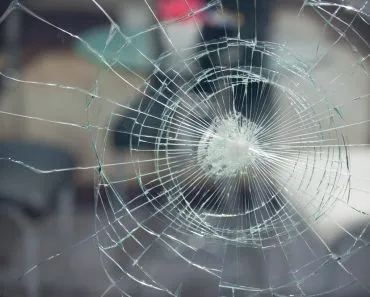
- Tempered (toughened) glass is made by reheating already-formed glass and then quenching it rapidly with jets of air. The outer surfaces cool first and shrink, putting the interior into compression. The result is glass that is about four times stronger than ordinary annealed glass and, when it does break, shatters into small blunt pebbles instead of jagged shards. Tempered glass is what you find in car side and rear windows, shower doors, and oven doors.
- Laminated glass is two (or more) glass sheets bonded around a flexible plastic interlayer, typically polyvinyl butyral (PVB). On impact the glass cracks but the plastic holds the fragments in place, which is why car windshields are laminated (not tempered) in every passenger vehicle sold in the US, UK, EU, AU, and CA.
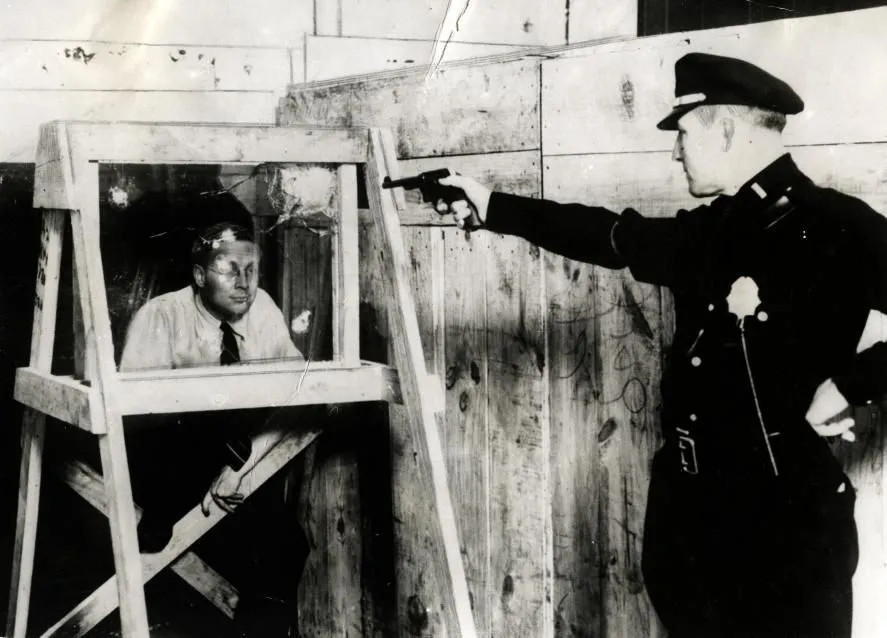
- Bulletproof glass is a thick laminate that alternates layers of glass with sheets of polycarbonate. The polycarbonate absorbs the impact energy that the glass cannot.
There are innumerable places where you will find glass, from bulbs tucked in thermometers and the fiberglass hulls of boats, to the sandpaper (also called glasspaper) we use for decorating and the strain gauges that warn us when buildings are cracking. Glass is clear, clean, cheap, unreactive, strong and endlessly useful. What more do you want? Glass is one of those magic materials that we absolutely take for granted, but it unrelentingly serves the purpose it is intended for, provided you use it with care!
The Float Glass Process
One missing piece in the standard story above is how flat glass for windows actually gets its flat surface. For most of history, flat glass was made by spinning a blob into a disc, blowing a cylinder and cutting it open, or rolling and grinding plate glass at enormous cost. All of that changed in 1952, when British engineer Sir Alastair Pilkington of Pilkington Brothers (St Helens, UK) invented the float glass process.
In the float process, the molten glass mixture flows out of the furnace at around 1100 °C onto a long, shallow bath of molten tin. Tin has two convenient properties: it stays liquid over a much wider temperature range than glass, and the molten glass floats on top without mixing with it. The glass spreads out under its own weight to a perfectly flat ribbon, typically 3 to 6 metres wide. As it travels along the tin bath, the ribbon gradually cools and stiffens; by the time it reaches the far end (around 600 °C) it is solid enough to lift off onto rollers, anneal slowly to relieve stress, and cut to size.
Pilkington Brothers commercialized the process in 1959. It was so superior to every previous flat-glass method that within a decade essentially every major manufacturer had licensed it; today roughly 90% of the world’s architectural and automotive flat glass is float glass.
References (click to expand)
- National Glass Association | History and Types of Glass - www.glass.org
- How does glass change over time? MIT School of Engineering
- The Float Process. Pilkington / NSG
- Fact or Fiction? Glass Is a (Supercooled) Liquid. Scientific American
- History of glass. Wikipedia
- Glasses. Introduction to Solid State Chemistry - Chemistry LibreTexts
- How is glass made? Explain that Stuff
- Where does your glass come from? The Conversation