Mammals give birth in three very different ways. Placental mammals (around 94% of living mammal species â humans, whales, cats, mice and so on) carry their young inside the uterus and nourish them through a placenta until they are well-developed. Marsupials (~330 species, including kangaroos, koalas and opossums) give birth to barely-formed, jellybean-sized young that crawl into a pouch to finish growing. Monotremes (just 5 species â the platypus and four echidnas) actually lay leathery eggs and then nurse the hatchlings with milk.
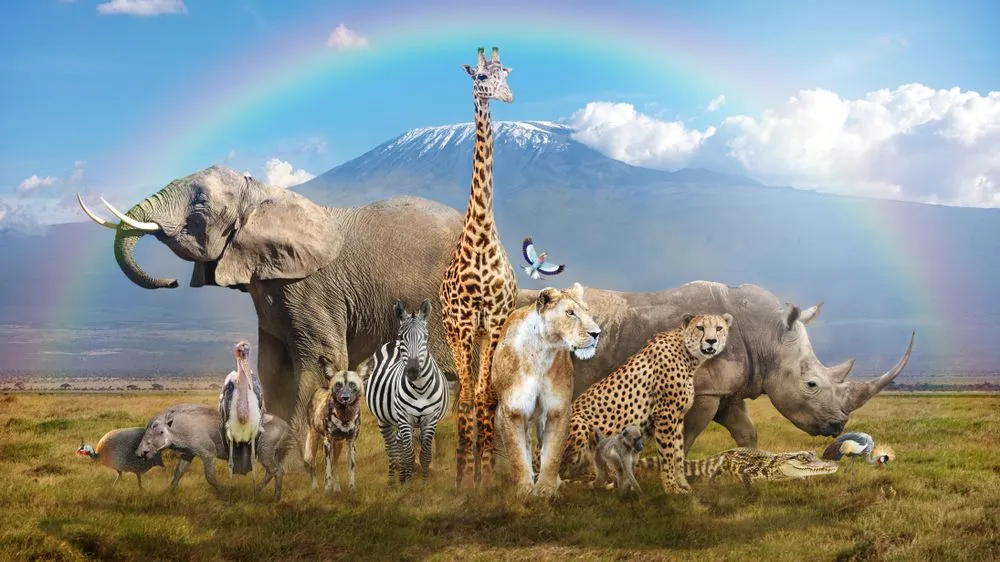
What do blue whales, kangaroos, and humans have in common? This question may sound crazy, but it’s actually quite fascinating? Blue Whales, kangaroos, and humans are all mammals, so scientifically, they are categorized in the class Mammalia, which is the highest class of zoological classification based on advanced body characteristics. Although they’re placed in the same class, there are some distinct ways in which they differ from one another.
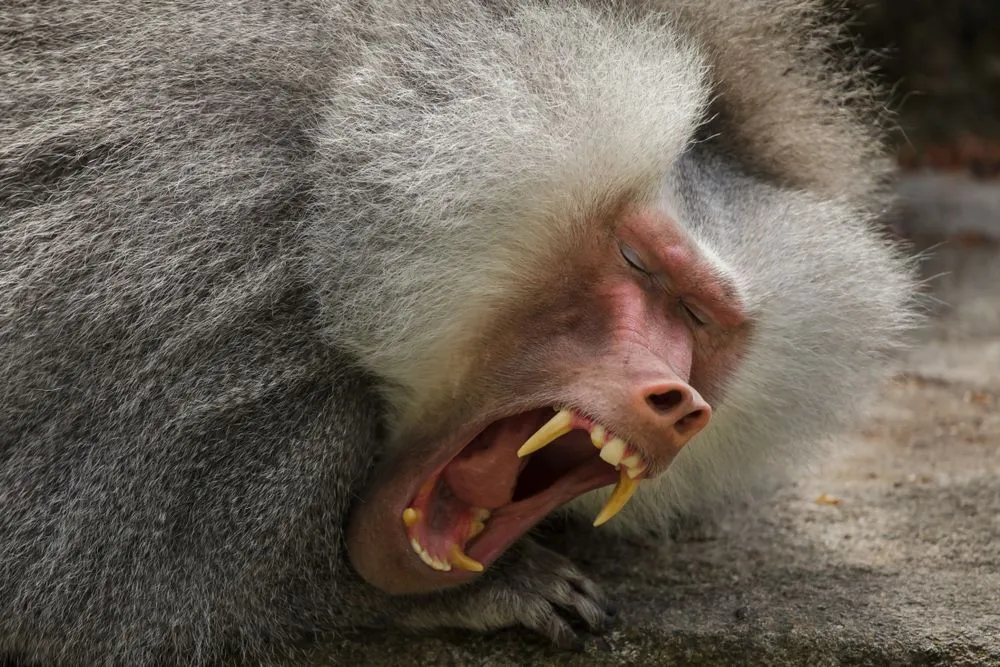
In terms of habitat, blue whales live in water, kangaroos dwell in forests, and humans live in settlements. However, there’s one more thing that separates them in terms of physiology—the manner in which they give birth. There are three ways that mammals give birth, namely laying eggs, birthing at an early stage of development, and birthing fully developed offspring. How that happens and which animals give birth in which ways will be further outlined in the sections below.
What Are Mammals?
Mammals are warm-blooded vertebrates with bodies that are covered in hair. A majority of these mammals give birth to young ones. However, the stage of development of their offspring varies from each group of mammals to another. For instance, marsupial mammals give birth to their babies at a relatively early stage of development. The remainder of the development takes place outside the womb of the mother marsupial.
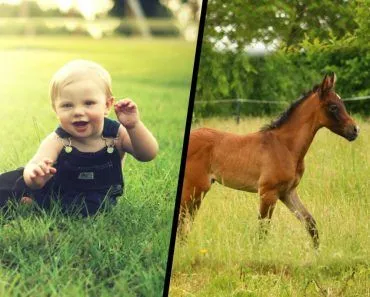
On the other hand, placental mammals give birth to a fully developed offspring. The entire process of development takes place inside the mother’s womb, and a baby with fully functional systems is then pushed out from the body of the female. The final way in which mammals give birth is by laying eggs. As quirky as this sounds, the type of animals that lay eggs are very different from other mammals in a variety of ways! So, let’s get to know all of these mammal varieties a bit better!
How Do Placental Mammals Give Birth?
Class Mammalia is comprised primarily of placental animals. The placenta is an organ that develops in a pregnant mammal and connects the developing fetus to the wall of the uterus. This structure provides oxygen and nourishment to the growing baby, while also removing waste products from its blood. The young one develops inside the womb of the mother and can take up to an entire year to be born.
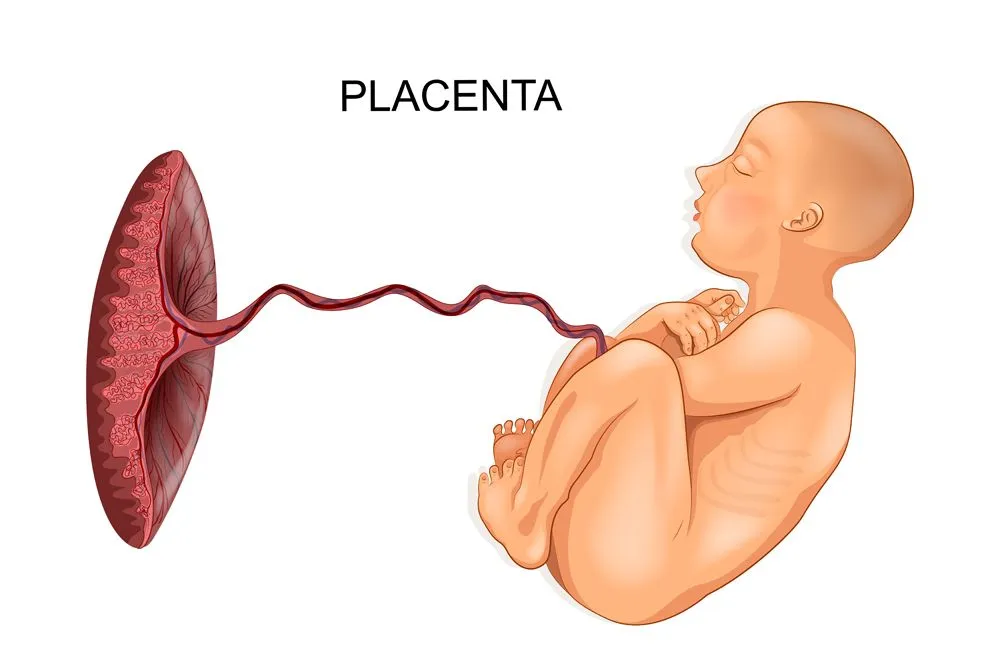
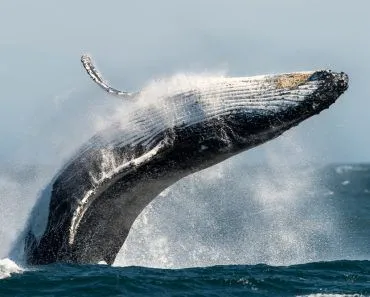
The time span in which the fetus is inside the womb is called the gestation period. For humans, this period is nine months, whereas for blue whales, it can be as long as twelve months. At the end of the gestation period, the brain sends signals to the uterine wall, the rhythmic contractions of which result in the expulsion of the baby from the body of the female. This process is called parturition.
How Do Marsupials Give Birth?
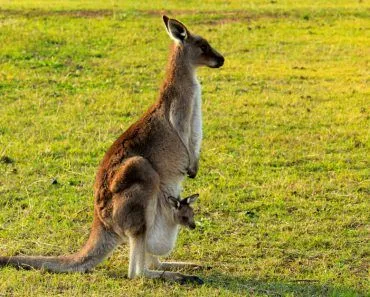
Marsupials are also known as pouched mammals because the baby is carried and nurtured in a pouch on the mother’s belly. A majority of marsupials reside in Australasia and America, and are endemic to these regions. The feature that separates marsupials from placental mammals is that marsupials do not have long gestation periods. Marsupial babies, also known as joeys, are incompletely developed at the time of their birth.
As soon as a joey is pushed out of its mother’s birth canal, it slides into the pouch. Here, it attaches itself to the female’s teats and suckles to derive nutrition. Quolls, a type of carnivorous marsupial, weigh only 18 milligrams when it’s born. It stays in its mother’s pouch for almost eight weeks and suckles on the mother’s teats for milk. The image of a mother kangaroo carrying a joey in its pouch is typical when one imagines the wildlife of Australia.
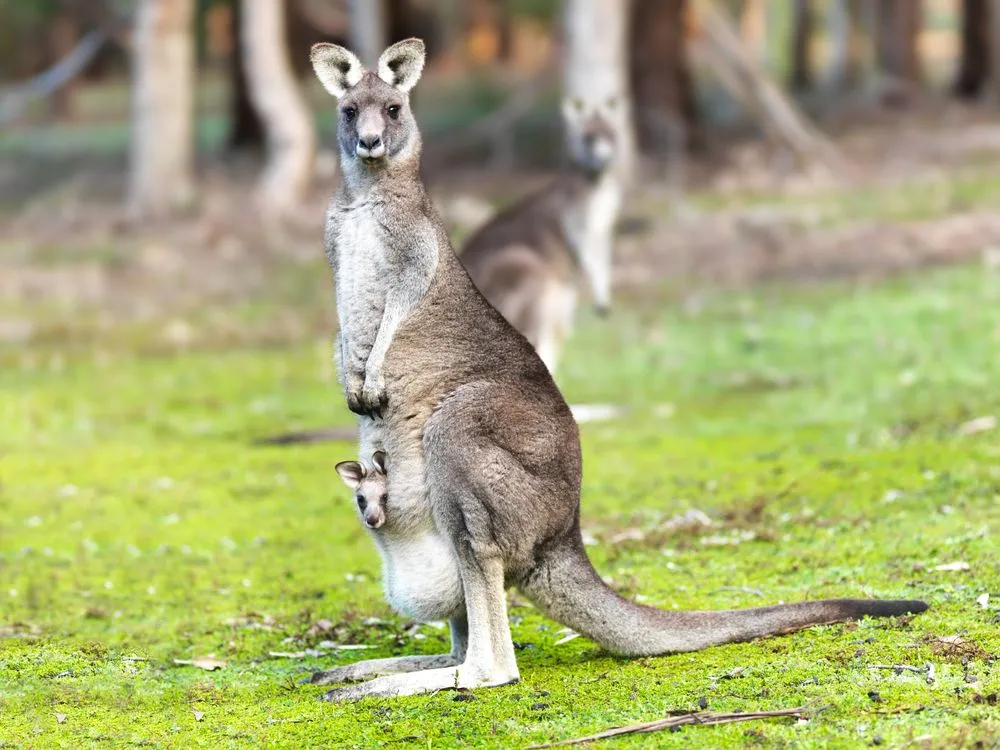
However, the literal meaning of the term mammals is ‘of the mammary glands’ or breasts. Interestingly, this is a misnomer, as not all female mammals have well-defined breasts. Even in marsupials, the joey suckles on tiny nipple-like projections, but breasts are generally absent.
How Do Monotremes Give Birth?
Monotremes are perhaps the odd ones out of the mammalian lot. They don’t give birth at all, but instead lay eggs from the same opening where they eliminate waste from their bodies. Monotremes are much fewer in number, with only five species present on the planet. These include the four species of echidna and the duck-billed platypus. There are other reasons why we classify these animals as mammals, such as the presence of hair, the presence of lungs, and the fact that they are warm-blooded, among others.
For instance, a female echidna lays eggs into a pouch of skin on her stomach. She then cares for them by carrying them until they hatch. There are, however, no nipples or breasts in these mammals. Therefore, in echidnas, pores on the skin release milk. The offspring suckle on these pores until it becomes fully capable of finding prey for itself.
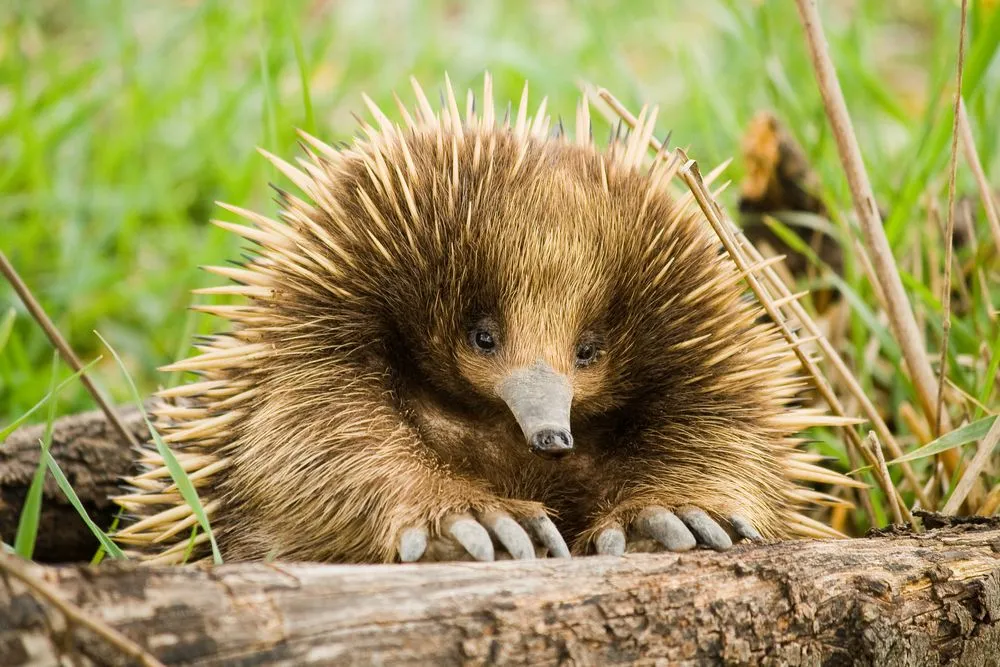
On the basis of evolution, all three categories of mammals are closely related to each other. They have used these varied methods to perpetuate their types and form the wide breadth of mammal diversity that we see today. Mammals may look incredibly different, from blue whales to human beings, but it is the characteristics that we share that matter most!
Why Do Most Mammals Give Birth To Live Young Instead Of Laying Eggs?
If the platypus and the echidnas manage perfectly well by laying eggs, why did nearly every other mammal switch to live birth? The answer lies deep in mammalian history. According to the Carnegie Museum of Natural History, the common ancestor of all mammals is thought to have been an egg-layer, much like reptiles and birds. Monotremes held on to that ancient habit, which is why their eggs still have a soft, leathery shell rather than the hard, brittle one you find in a bird's egg. Live birth, or viviparity, evolved later, in the shared ancestor of placental mammals and marsupials. The monotreme lineage had already branched off around 166 million years ago, so live birth is the newer invention.

Live birth comes with a clear payoff: the mother can shelter her developing young inside her body, keeping them warm and protected from predators and the weather for far longer than an exposed egg ever could be. That protection is not free, though. Carrying young is energetically costly and weighs the mother down, which is one reason birds, committed to flight, never evolved live birth at all. Egg-laying has its own upsides, letting a mother produce more offspring at once and become physically free of them sooner.
Interestingly, live birth is not really a mammalian speciality. It has evolved independently more than 150 times across the vertebrates, including over 100 separate times among reptiles, and only once in the entire mammal line. Among sharks, skates and rays, up to 70% of species give birth to live young rather than laying eggs, so in a sense mammals are latecomers to a very old idea.
How Do Mammals Take Care Of Their Young?
Giving birth is only the beginning. What truly sets mammals apart is what happens next: the mother feeds her newborn on milk made by her own body. Milk is, in fact, the one feature shared by every mammal on Earth. The Australian Museum lists milk-producing mammary glands among the defining traits of the whole class, and all three mammal groups, placentals, marsupials and monotremes, nurse their young this way.

Milk is a remarkably complete food. It is mostly water, blended with fat, the milk sugar lactose, proteins and minerals, and the fat alone can supply around half of a nursing infant's energy needs. The very first milk, called colostrum, is especially rich in proteins and antibodies that help shield the newborn from infection while its own immune system is still getting up to speed.
How that milk is delivered varies from group to group. Placental mammals and marsupials nurse through teats, and a marsupial joey latches onto a teat inside the pouch and stays attached for weeks. Monotremes are the odd ones out yet again: echidnas and the platypus have no nipples at all, so their young, known as puggles, lap up milk that seeps through pores in patches of skin on the mother's belly.
The length of this care varies enormously. Nursing can last anything from a few weeks to several years, and the orangutan holds the record, with youngsters still suckling at six to eight years of age. In most species the job falls almost entirely on the mother, and direct care from fathers is documented in only around 3 to 5% of mammal species. Once the young can handle solid food, they are gradually weaned off milk, a change that usually happens step by step rather than all at once.
References (click to expand)
- Marsupial Mammals - UCMP Berkeley. The University of California Museum of Paleontology
- Those Mystifying Mammals, the Monotremes. WFIU
- Eutheria, the Placental Mammals. The University of California Museum of Paleontology
- Three Types of Mammals. Monadnock Regional High School
- Do Any Mammals Lay Eggs? Carnegie Museum of Natural History
- Egg-Laying or Live Birth: How Evolution Chooses. Quanta Magazine
- Convergent Evolution of Viviparity. Genome Biology and Evolution, Oxford Academic
- Humans Are Mammals. Australian Museum
- A Comprehensive Review on the Composition and Properties of Milk. PMC, National Library of Medicine
- The Evolution of Lactation and the Milk of Marsupials and Monotremes. PMC, National Library of Medicine