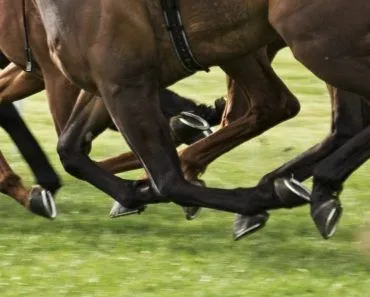
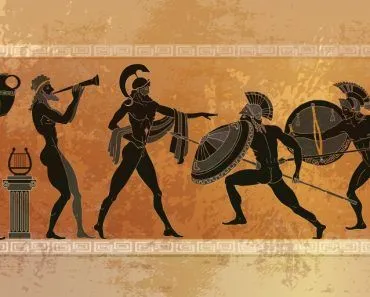
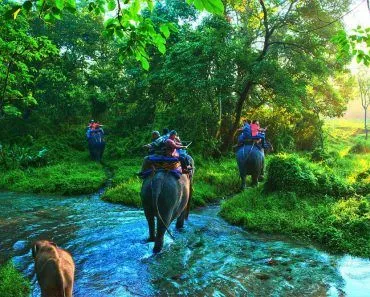
Equestrian (pronounced ih-KWES-tree-uhn) means relating to horse riding or horse riders, and equestrianism is the skill of horse riding, horse driving, or steeplechasing. The word comes from the Latin ‘equester’ (of a horseman), from ‘eques’ (horseman) and ‘equus’ (horse). In its broadest sense, equestrianism covers using horses for transportation, cultural events, recreation and competitive sport.
Equestrianism refers to the skill of horse riding, horse driving or steeplechasing. The word equestrian is derived from the Latin ‘equester’, meaning ‘of a horseman’, which in turn comes from ‘eques’ (horseman) and ultimately ‘equus’ (horse). The adjective entered English in the 1650s, and by the late 1700s it was also used as a noun for someone who rides on horseback. The broad description of equestrianism includes the use of horses for practical working purposes (transportation, cultural events, recreational activities and competitive sport).
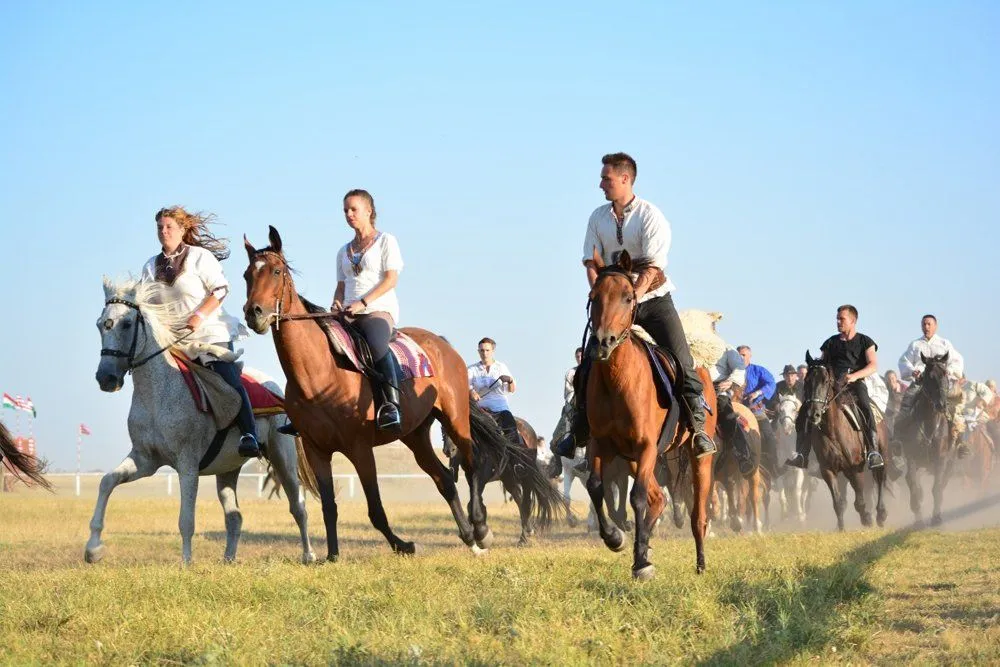
Horses and humans have a rather long history of camaraderie. From prehistoric cave paintings to ancient battle grounds, right up to our present-day equestrian sport, the human-horse relationship goes back a very long way. Horses served as our preferred mode of transport for ages. They helped us grow food in various ways and even carried us into battle. In return, we gave them food, shelter and security.
In our present technological era, where scientists are working hard to design aircraft that can exceed 10,000 km/h (about 6,200 mph), we may no longer depend on horses, at least the way our ancestors used to, but for cultural and recreational activities, we are often still incomplete without horses.
History Of Equestrianism
The exact date when horses were domesticated is hotly debated, and the answer has shifted as new genetic evidence comes in. For years, the best estimate was that people first rode horses around 3500 BC, based on sites such as Botai in Kazakhstan and Dereivka near the Dnieper river, where worn horse teeth were read as signs of early bridle ‘bits’. A “bit” in equestrianism refers to a piece of horse tack placed in the mouth of the horse that helps the rider communicate with it. More recent work has overturned that picture: the Botai horses turned out to belong to a different lineage (the wild Przewalski’s horse), and the famous Dereivka bit-worn skull was later radiocarbon-dated to an intrusive Iron Age burial, not the Copper Age settlement around it.
A large 2024 study of nearly 500 ancient horse genomes, led by researchers in Toulouse and published in Nature, pushed the key date later still. It found that the modern domestic horse lineage was not bred in large numbers until around 2200 BC, and that this is when widespread horse-based mobility actually took off across Eurasia. In other words, horses were probably hunted and managed in various ways for millennia, but the kind of riding and herding we picture today is younger than older textbooks suggested.
The riding and training of horses, as we know it today, have their roots in the ancient military. It’s obvious that to have a successful cavalry, you need to have complete control of your horse. Based on the discovery of chariot burials, scientists opine that horse-drawn chariots were in use by around 2000 BC. This is arguably the most direct tangible evidence of horses being used as working animals. The horse chariots of the ancient age were followed by the deployment of horses for war as both light and heavy cavalry.
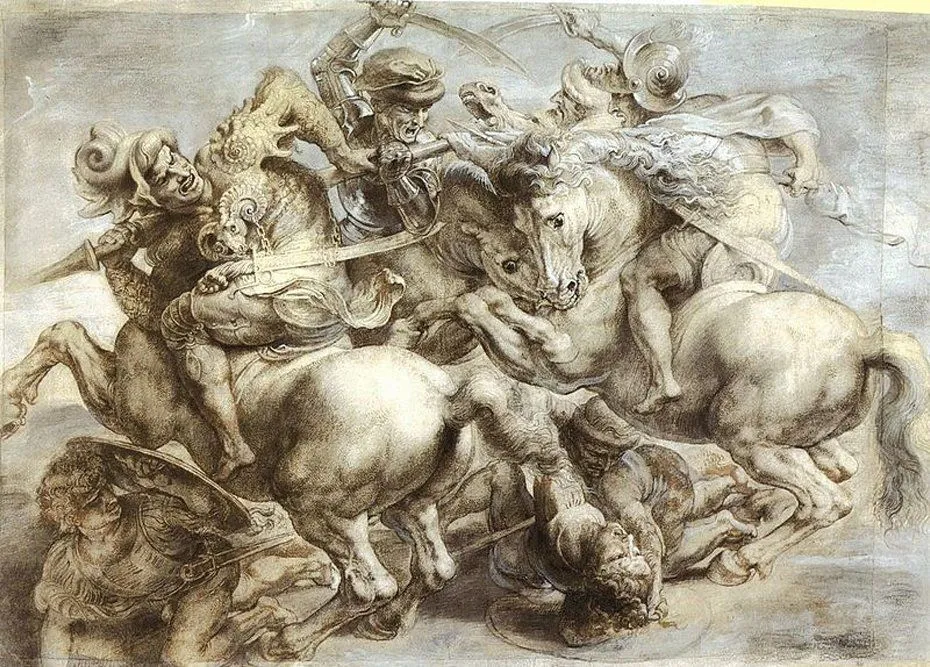
Horses played a pivotal role in human history across different tribes and communities in both the battlefield and in peaceful pursuits of transportation and trade. The Ice Age wiped out the ancient horse tribes native to North America. Most of the horses we see in the US were actually brought back by European explorers in the past few centuries following the second voyage of Columbus in 1493.
Overview Of Equestrianism
Equestrianism involves the training and riding of horses for practical working purposes. Equestrianism also involves using horses in in competitive sports like dressage, polo, endurance riding, vaulting, horse racing, rodeo etc.
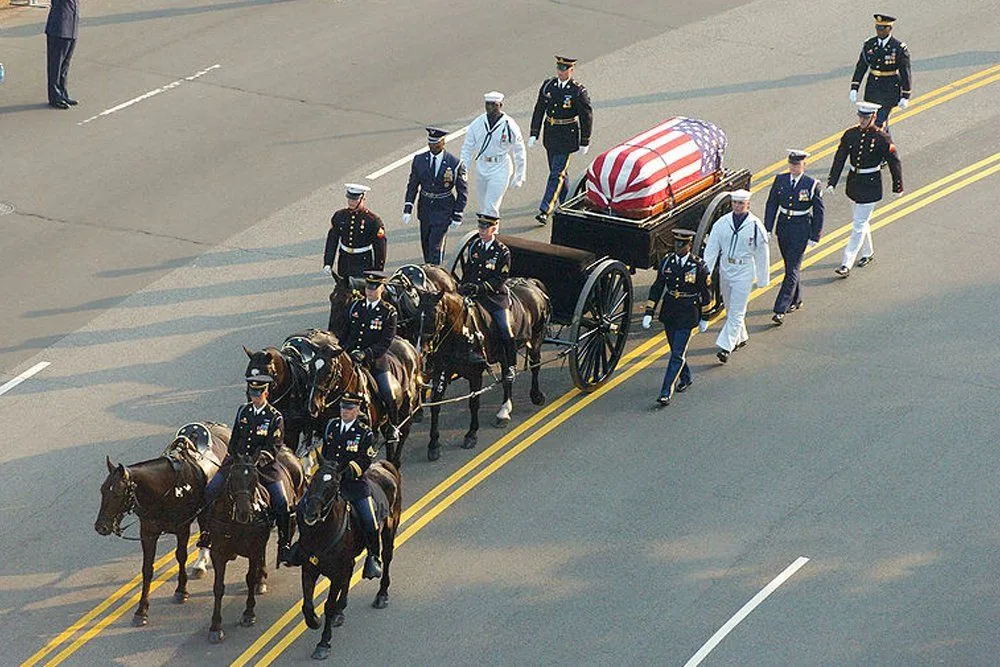
Popular forms of competition are often grouped together at horse shows. In most parts of the world, there is public access to horse trails. Many parks and public stables offer both guided and unguided (independent) riding. Horses continue to be used in public service, often in traditional ceremonies, such as parades or funerals.
Horses are not only used for transportation and recreation, but also for therapeutic purposes. Many studies suggest that horse riding can improve human health and emotional development.
Is Equestrianism A Sport?
If you have ever wondered whether sitting on a horse really counts as a sport, the answer is a firm yes, and it is one with serious Olympic credentials. Equestrian events first appeared at the modern Olympic Games in Paris in 1900, and they have featured at every Games since 1912. Internationally, the sport is governed by the Fédération Équestre Internationale (FEI), founded in Paris on 24 November 1921, which sets the rules for competition around the world.

What makes equestrian sport genuinely unusual is that the horse is treated as an athlete in its own right, not merely as a piece of equipment. In fact, it is the only Olympic event that involves an animal. Success depends on two athletes, human and horse, moving as one, which is why judges and rule-makers pay such close attention to the welfare and training of the horse (a theme we return to below).
Equestrian is also one of the very few Olympic sports in which men and women compete directly against each other, rather than in separate divisions. Since the 1952 Helsinki Games, male and female riders have competed on completely equal terms. A rider's raw strength matters far less than balance, timing and the quiet communication between horse and human, which helps level the playing field between the sexes.
What Are The Main Types Of Equestrian Sport?
The overview above mentioned several equestrian sports in passing, but three of them stand out as the disciplines contested at the Olympic Games: dressage, show jumping and eventing.

Dressage is sometimes described as ballet on horseback. It is the progressive training of a horse to a high level of impulsion, collection and obedience, so that the animal performs a series of natural movements on request while looking calm and almost effortless. Show jumping is the discipline most people picture first: a timed round in which horse and rider tackle a course of obstacles, and the aim is to clear them with the fewest refusals or knockdowns. Eventing, also called the three-day event, is the all-rounder's test. It combines the precision of dressage, the agility of show jumping and a cross-country phase in which horse and rider travel over fixed natural obstacles such as logs, banks and water.
Beyond the Olympic three, the FEI also governs disciplines such as combined driving (where horses pull a carriage through a course), endurance riding (long-distance races over natural terrain) and vaulting (gymnastic and dance-like moves performed on a moving horse). Para dressage and para driving open the sport to riders with disabilities, competing under the same international body.
What Do You Call Someone Who Rides Horses?
With so many words floating around, it is easy to get tangled up in what to call a person on horseback. The most general term is equestrian, which works as both an adjective (equestrian sport) and a noun for a rider of either sex. You will also hear horseman and horsewoman, and simply rider.
The one that trips people up is equestrienne. Borrowed from French, it uses the feminine ending ‘-enne’ and refers specifically to a woman or girl who rides, a sense that historically included the female performers who rode in circuses. So an equestrienne is always an equestrian, but the reverse is not necessarily true. If in doubt, equestrian and rider are safe, gender-neutral choices for anyone who takes to the saddle.
Science Of Equestrianism
Equitation science involves the use of modern scientific methods to objectively assess the welfare of horses undergoing training. These scientific methods promote an evidence-based understanding of horse-rider interactions.
Qualitative scientific methods are identified and applied when evaluating horse training techniques for their effectiveness. These methods also have the goal of improving horse-rider rapport by scientifically explaining horse training from a learning theory perspective and removing emotions from horse training and riding purposes.
Equitation science also uses an eclectic mix of principles from psychology, equine ethology and biomechanics. It uses objective measures to evaluate performance during the training period and eliminates techniques that may result in equine (horse) affliction/injury.
Equitation Technology
Just as players from popular sports like golf, football, cricket etc. are heavily using technology like video analysis to help improve their technique, why should practitioners of equitation lag behind? Recent technological advances allow equitation sportsmen to measure the strength of the signals they use to communicate with their horses. Traditional horse-riding concepts of ‘contact’, ‘lightness’ etc. can now be tested with calibrated rein tension gauges, or via spurs.
Advances in radiography have allowed horse riders to gain insight into horses’ mouths. They have also helped in determining optimal bit position and understanding how positional changes can affect riding abilities.
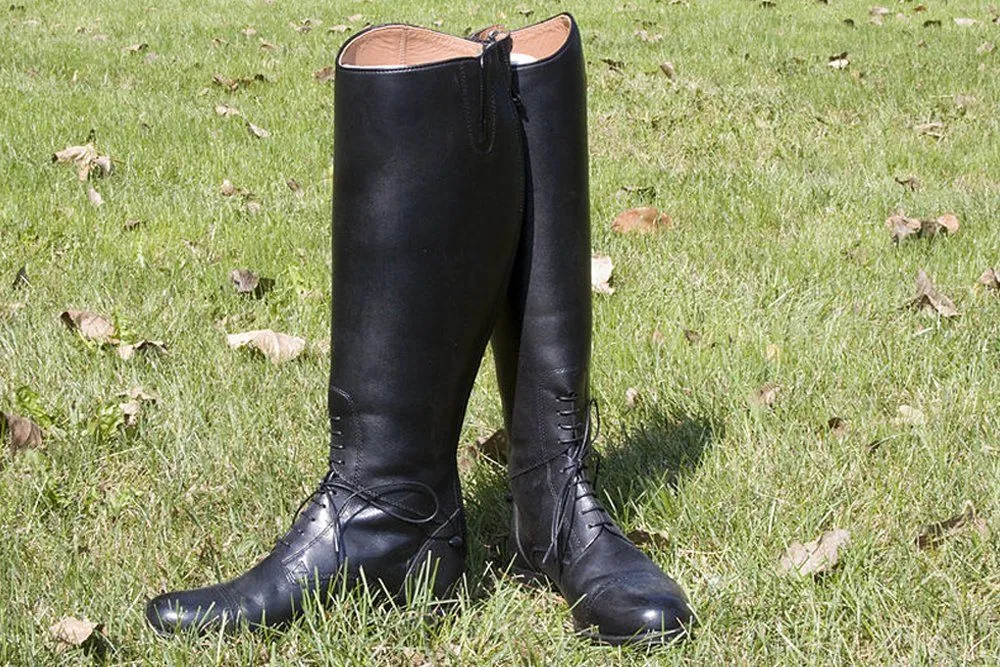
Modern riding boots are made from pressure-sensitive material. Now, measuring pressure is valuable for assessing saddle fit and avoiding back problems, something that horse riders frequently face and that are usually caused by improper saddle fitting.
Advances in the medical and technological fields have also facilitated physiological measurements, such as blood pressure, heart rate, urine and saliva analyses, to quantitatively determine the comfort and stress level of the horse. They also provide behavioral indicators of ineffective horse-rider communication or conflict by taking cues from horse movements, such as tail wagging, tooth grinding etc.
Although equestrianism is an art, advances in science and technology are helping us reach a true pinnacle of this artistry.
References (click to expand)
- Prospective Riders - web.stanford.edu
- Equestrian - recreation.richmond.edu:80
- Equestrian, Etymology and Meaning - Online Etymology Dictionary
- Librado et al. Widespread horse-based mobility arose around 2200 BCE in Eurasia. Nature (2024) - PMC, NCBI
- Rethinking the Evidence for Early Horse Domestication at Botai. Scientific Reports (2021) - PMC, NCBI
- Equitation Science - Wikipedia
- Equestrian Events at the Summer Olympics - Wikipedia
- International Federation for Equestrian Sports (FEI) - Wikipedia
- Equestrianism - Wikipedia