Birds are endotherms (warm-blooded), and most keep a core body temperature of about 40 to 42 °C (104 to 108 °F), a few degrees hotter than the human 37 °C (98.6 °F). Their high metabolic rate, the demands of flight, and the heat needed to incubate eggs all push their core temperature up, while feathers trap that heat in.
As a kid, did you ever want to simply fly above the world? I certainly did! All I wanted was to morph into a colorful little bird, ruffle my feathers, and spread my wings. But flying isn’t that easy. A lot goes into making those tiny bodies glide through the skies, braving all sorts of weather.
One by-product of being able to fly is body heat. If you ever hold a bird in your hands, you will instantly feel its warmth, because they have a core body temperature significantly higher than ours.
Wonder why?

How Do Different Animals Produce Heat?
Since we’re talking about why birds are hotter than you, me, and your pet fish or dog, we must look at the rest of the animal world and identify how they produce heat. Your body temperature, or that of any animal, depends on a few factors: whether we produce our heat, body mass (how large and heavy the animal is), and the energy needs of the animal (a cheetah has very different needs from a sloth, which has very different needs from a frog).
In terms of how different animals produce heat, we can broadly divide them into two groups: ectotherms and endotherms.
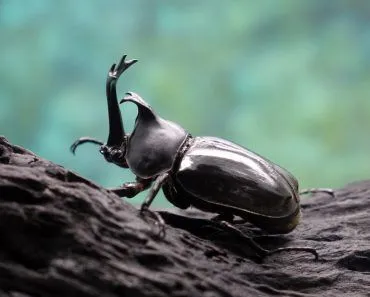
Ectotherms are animals whose body temperatures depend on the temperature of their surroundings; they do not generate any heat themselves. Their external environment helps regulate their body temperature. For example, a snake basks in the sun to raise its internal temperature, then retreats to its burrow to cool down. Likewise, frogs sit on warm rocks to heat up and return to the water when they need to cool down.
These ectotherms are also known as ‘cold-blooded’ animals. They include fish, amphibians, and reptiles.
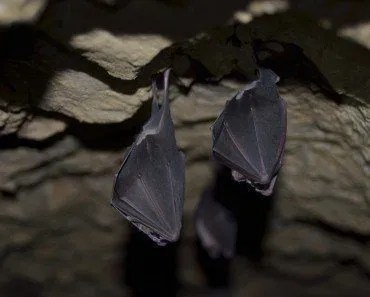
Endotherms, on the other hand, can regulate their body temperature by generating internal heat. Regardless of the ups and downs of the environment, they can maintain their physiological body temperature within a stable range. In the cool winters, they ramp up their metabolic heat production and insulation to stay warm, whereas during the hot sweltering summers, they sweat to cool down.
Thus, all their metabolic processes occur at a constant temperature.
Endotherms are also known as ‘warm-blooded’ animals, and include mammals and birds.

Metabolic Needs Of Birds
So, mammals and birds are both endotherms, so why do birds need more energy than so many other mammals? Most birds hold a core body temperature of roughly 40 to 42 °C (104 to 108 °F), about 3 to 5 °C (5 to 9 °F) hotter than the human 37 °C (98.6 °F).
A few probable reasons are available.
While a mammal’s fur only helps in insulation, a bird’s feathers have a dual function; they allow the birds to fly and keep them warm.
Flying at high altitudes makes them more susceptible to unfavorable conditions, such as cold weather and freezing winds, which can chill them to the bone. Additionally, their wings allow them to fly, and flying requires the muscles to work harder and use more energy.
Insulation from the feathers and the heat from hard-working muscles lead to a higher internal body temperature.
Even then, mammals can sweat to cool down, but birds have no sweat glands at all. They shed excess heat through their exposed skin and, above all, by panting, which evaporates water off the moist surfaces of the mouth and throat.
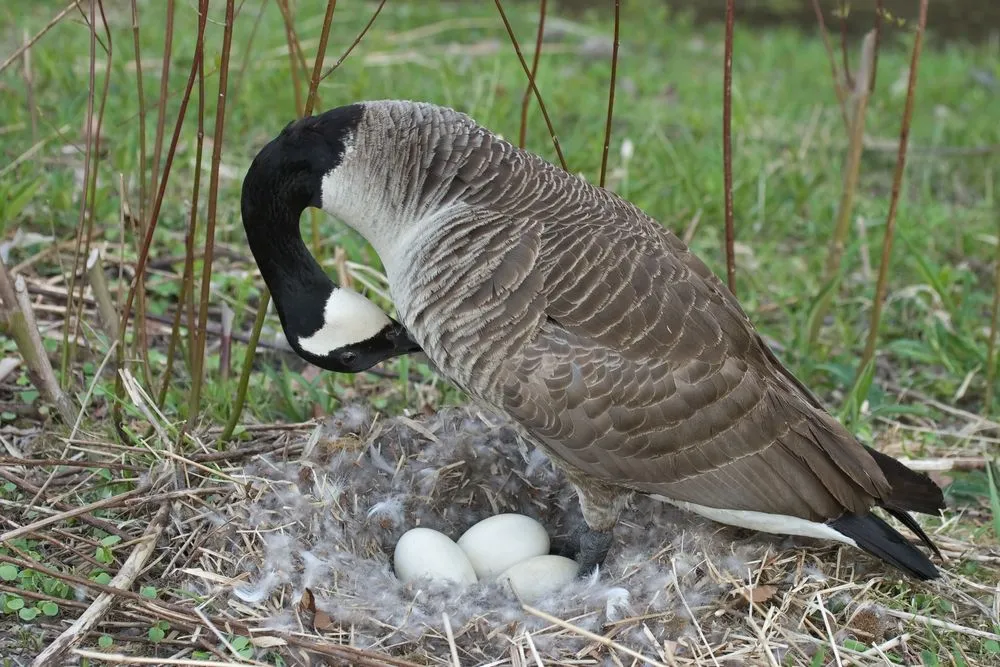
This heat isn’t pointless. Birds generate heat to incubate their eggs. They sit on their eggs to help them stay warm. This heat is essential for an embryo to develop properly into a chick. Without adequate incubation, eggs would fail to hatch. Mammals do not face this issue, as most of them directly give birth to their young ones.
At a very basic level, birds engage in more energy-costly activities as compared to mammals, and they are smaller.
Size
Correlating body size and body mass with core body temperature is tricky. A study published in 2007 found that there is a relationship between size and core body temperature among birds. Their study compared body temperatures and size of birds phylogenetically (in other words, according to the evolution of birds). Smaller birds such as the passerines (birds that perch) as a group have a higher core body temperature than non-passerine birds. Large birds such as the ostrich and the moa (and others in the group ratite) have a body temperature closer to mammals.
None of this discussion has considered the environment and time of day. Some birds, such as hummingbirds, can lower their body temperature at night to conserve energy, a state called torpor. They don’t just dip a degree or two either; a hummingbird can drop its core temperature by 20 °C or more, sometimes down to around 10 °C (50 °F) or lower, slowing its metabolism to a crawl until dawn. If your body temperature tanked that far, you’d be in the hospital for severe hypothermia.
What Is The Normal Body Temperature Of A Bird?
If you came here just wanting a number, here it is: as warm-blooded endotherms, most birds run at roughly 40 to 42 °C (104 to 108 °F). But birds are not thermometers stuck on a single reading. A classic review by Prinzinger and colleagues, which pooled measurements from more than 720 species, found that avian body temperatures span about 38 to 44 °C (100 to 111 °F) depending on what the bird is doing.
The biggest factor is activity. On average, a resting bird sits near 38.5 °C, a bird going about its day climbs to around 41 °C, and a bird in a burst of hard effort can reach almost 44 °C. That is why the idea of one “constant” body temperature is a slight simplification: birds hold a stable range rather than a single fixed point, and that range drifts up and down by roughly 2 to 3 °C over a single day. The swing is wider in small birds than in large ones.
Body size and lifestyle shift the baseline too. Tiny, restless perching birds (the passerines) tend to sit at the hot end of the scale; a house sparrow, for instance, cruises around 43.5 °C when active. Big flightless birds such as the ostrich sit noticeably cooler, closer to the mammalian 37 °C. Time of day matters as well: many birds let their temperature sag at night to save fuel, an energy-thrifty dip that in extreme cases deepens into the torpor described above.
How Do Birds Cool Down If They Can't Sweat?
Running this hot raises an obvious problem: how does a bird avoid cooking itself on a summer afternoon? We reach for our sweat glands, but birds do not have any. There is not a single sweat gland anywhere in a bird's skin, so the entire cooling toolkit we rely on is simply unavailable to them. Instead, they shed heat in some wonderfully inventive ways.
The first line of defense is evaporation through the airway. Like a panting dog, an overheated bird opens its bill and breathes rapidly to evaporate water off the moist lining of its mouth, throat, and lungs, carrying heat away with it. Many non-passerines add a trick called gular fluttering: they vibrate the thin membranes on the floor of the throat many times a second, fanning those wet surfaces to boost evaporation while spending very little muscle energy.
Birds also dump heat by pumping warm blood into their bare, unfeathered parts, especially the legs, feet, and bill. The most spectacular example is the toco toucan. Its outsized bill is laced with blood vessels, and researchers using infrared cameras showed that the bird can flush it with warm blood or throttle the flow back almost like a radiator with a valve. Relative to the animal's size, that bill is one of the largest thermal windows in the animal kingdom, rivaling an elephant's ears.

The legs hide a clever piece of plumbing called a countercurrent heat exchanger. Warm blood heading down the leg runs alongside the cold blood coming back up and hands its heat across, so very little warmth escapes from the foot. It works so well that a duck standing on ice loses only about 5% of its body heat through its feet. In hot weather the bird can relax the system and let its legs act as radiators instead. A few long-legged birds push this even further: storks and New World vultures deliberately squirt watery droppings onto their own legs, and as that liquid evaporates it cools the blood inside, a strategy biologists call urohidrosis.
On top of all this, birds simply behave their way out of the heat. They seek shade, hold their wings away from the body, take a cooling bath, and dial down activity during the hottest part of the day. So the next time you wonder whether a goose or a sparrow can sweat, the answer is no. It pants, flutters, and radiates its heat away instead.
To Sum It Up…
Birds are endotherms or ‘warm-blooded’ creatures who regulate their body temperature. On average, birds are involved in highly demanding activities with a lot of energy expenditure, including flying and incubating eggs. Without the production of adequate heat, birds would not be able to survive the cold temperatures greeting them at the heights they fly.
Moreover, their eggs will not hatch if there is inadequate heat during incubation. Therefore, their energy requirements and expenditure is way higher than other creatures of the animal kingdom. This results in higher metabolic activity and a consequently higher core body temperature.

References (click to expand)
- Clarke, A., & Rothery, P. (2007, October 29). Scaling of body temperature in mammals and birds. Functional Ecology. Wiley.
- Food chains & food webs (article) | Ecology.
- Metabolism.
- Metabolism and Thermoregulation.
- McNab, B. K. (1966, January). An Analysis of the Body Temperatures of Birds. The Condor. Oxford University Press (OUP).
- Incubation | BTO.
- Prinzinger, R., Preßmar, A., & Schleucher, E. (1991). Body temperature in birds. Comparative Biochemistry and Physiology Part A. Elsevier.
- Ehrlich, P. R., Dobkin, D. S., & Wheye, D. Temperature Regulation and Behavior. The Birder's Handbook, Stanford University.
- Tattersall, G. J., Andrade, D. V., & Abe, A. S. (2009). Heat Exchange from the Toucan Bill Reveals a Controllable Vascular Thermal Radiator. Science.
- Cabello-Vergel, J., et al. (2021). Urohidrosis as an overlooked cooling mechanism in long-legged birds. Scientific Reports.