Fish die after a water change when the new water is too different from the old, too fast. Sudden swings in temperature, pH, or hardness shock them, while untreated tap water adds toxic chlorine or chloramine. The fix is to change only 10-25% at a time, match the temperature, and always use a dechlorinator.
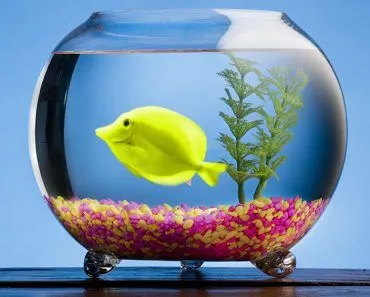
Fish are a great option as a pet. They are cheaper than a dog or a cat, they’re quiet and they can fit in a 12″ x 6″ x 8″ corner of your house. And unlike a dog that you need to walk and bathe, your fish simply swim themselves around in their tank in water. Research shows that people find watching fish swimming through their aquariums or tanks soothing and relaxing.
However, they aren’t exactly low maintenance, as any fish tank needs regular cleaning and water changes. This must be done carefully, otherwise the fish can die. To avoid that risk, leaving the tank dirty isn’t the solution.
Why Is It Important To Clean The Fish Tank?
Just as any household generates waste, fish also make their fair share of trash. They go to the bathroom in the same water they swim through, and all the uneaten fish food settles at the bottom. Dirt also enters the tank from the surroundings. All this waste, especially the fish poop and pee, increases the water’s ammonia and nitrate levels and lets unwanted algae and bacteria flourish. Do you remember how bad the fish tank got after Nemo clogged the water filter? It got so filthy within two days that the dentist had no choice but to clean the tank himself.
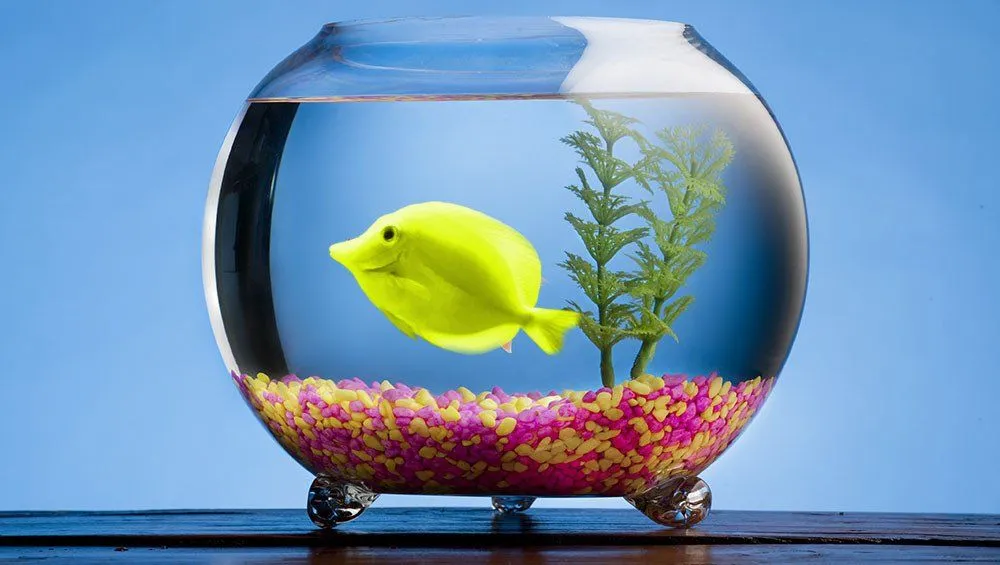
Ammonia in low concentrations lowers fish immunity and leads to poor growth, and in higher concentrations, ammonia can be deadly for our finned friends. Only a fraction of the ammonia in the water (the un-ionized form, NH3) is the truly toxic part, and that fraction climbs as the water gets warmer and the pH rises. We can’t stop ammonia levels from rising in the tank, as they are produced by fish metabolism. The more you feed a fish, the more ammonia it will inevitably make. That’s why it’s important not to overfeed your fish. An inexpensive aquarium water test kit will help you track ammonia and other chemical levels in the tank.
As you continue feeding the fish, the water’s phosphorus levels will also rise, as fish food contains phosphorus. High phosphorus levels promote algae growth, which can be used as another visual indicator of the water’s quality.
Additionally, water changes help replenish the dissolved oxygen levels in the tank, which fish need to breathe, so adequate water changing helps to increase the lifespan of your pet fish.
That being said, the trick is to do it right, otherwise the fish may die of shock!
Why Can The Fish Die?
Suddenly changing all the water in the aquarium comes as a shock to the fish. Imagine if someone grabbed you from your home and put you in an entirely new one in the span of three minutes! It would surprise you, right? The fish are back in the same tank, but the environment has completely changed.
The nutrient, oxygen, ammonia and nitrate levels have all shifted very rapidly. If the new water is suddenly added straight from the tap, the temperature, pH and hardness can differ too. Fish are especially sensitive to temperature: a swing of just a few degrees Celsius (a handful of degrees Fahrenheit) can put cold-blooded animals into shock, since their body temperature simply follows the water around them. All of this scares the fish and puts the poor things in a shocked and stressed state, which is why a fish may suddenly start gasping at the surface, sitting on the bottom, or swimming erratically right after a change. Too much stress is lethal, so it’s essential to change the water gradually over time.
Tap water adds another hazard. To keep it safe for people to drink, municipal water is treated with chlorine or, increasingly, chloramine (chlorine bonded to ammonia). Both are toxic to fish: they burn the delicate gills and strip away the protective slime coat. This is why you should always treat tap water with a dechlorinator (water conditioner) before it goes into the tank.
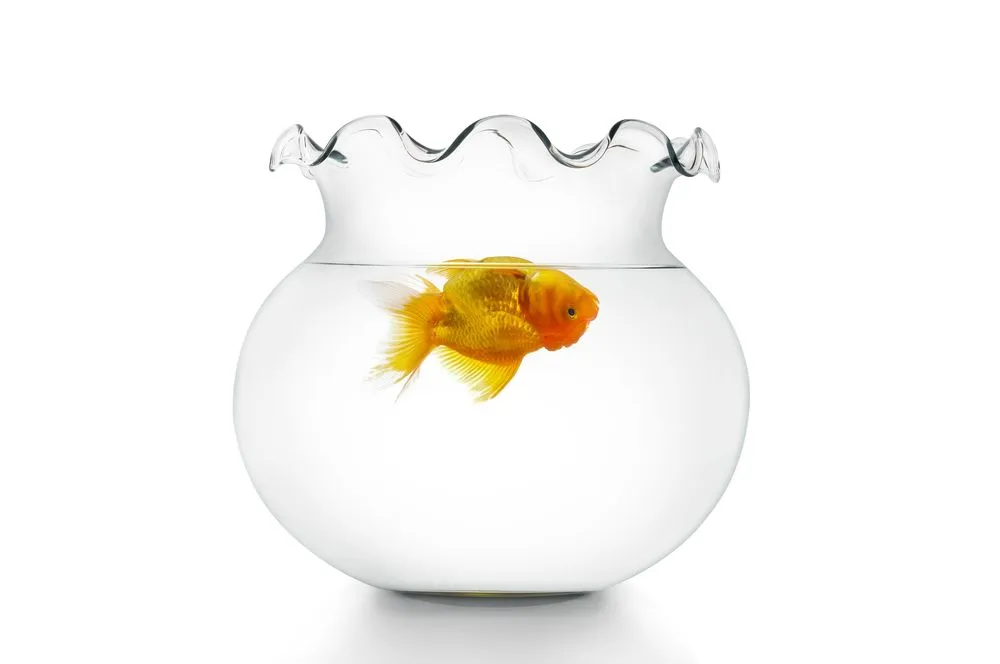
Instead of changing out the entire tank, you should remove some of the old water and add some fresh water.
How Should The Water Be Changed?
It’s recommended to change around 10-25% of a fish tank’s water at a time. This way, the tank’s micro-ecosystem isn’t thrown too drastically out of balance. The environment won’t suddenly change for the fish, so it makes it easier for them to adjust.
For fish to thrive, the water’s quality must be consistent, so regularly changing a small portion of the water is healthier for the fish. If you change all the water in the tank at less frequent intervals, the fish will have to keep adjusting to different water qualities. The best thing to do would be weekly partial water changes.
This consistency matters most in a tank that hasn’t been maintained for a long time, a situation aquarists call "old tank syndrome." In a neglected tank, nitrate slowly builds up and quietly eats away at the water’s buffering capacity, letting the pH drift down to a low value the fish have gradually gotten used to. If you then "rescue" the tank with one big water change, the fresh water can yank the pH back up sharply, and because ammonia becomes far more toxic at higher pH, a dose that the fish were tolerating can suddenly turn lethal. Counterintuitively, the safest fix for a long-neglected tank is several small water changes over several days, not one large one. Veterinarians who treat fish are blunt about this: with old tank syndrome, do not do a full water change.
However, once in a while, it’s good practice to take out the fish and give the tank a nice and clean scrubbing. Fungus and other germs can settle in corners of the tank that are tough to clean with just partial water changes.
However, not all germs are harmful. Helpful nitrifying bacteria such as Nitrosomonas, Nitrobacter and Nitrospira drive the nitrogen cycle: one group converts toxic ammonia into nitrite, and another turns that nitrite into far less harmful nitrate. These bacteria don’t float free in the water; they live as colonies on the filter media, gravel and tank surfaces. So scrubbing every surface and replacing all the water at once can wipe out this colony, leaving the tank unable to process ammonia until it rebuilds (an effect aquarists call "new tank syndrome").
Before removing all the water from the tank, fill up a large bowl with water and leave it idle for a few days before transferring your fish to it. It will help the water settle in the environment and be more similar to the aquarium water.
Another helpful tip: if you’re using chlorinated tap water, leaving it out in the open for a day or two (or aerating it) lets the chlorine gas off on its own. There’s an important catch, though. Many water utilities now use chloramine instead of plain chlorine, and chloramine does not evaporate, no matter how long the water sits. The only reliable way to make tap water safe is to add a dechlorinator, which neutralizes both chlorine and chloramine in minutes. If you’re unsure which one your supply uses, treating the water is always the safer bet.
Why Do Goldfish From The Fair Die So Quickly?
Few pets are as heartbreakingly short-lived as the goldfish won at a fair or carnival. With proper care a goldfish can live for well over a decade, yet the little prize in the plastic bag is often gone within days. The reasons are really a pile-up of everything that can go wrong with a water change, stacked on top of a rough journey home.
Carnival goldfish rarely get an easy start. They are usually kept in crowded holding containers, then scooped into a sealed bag that holds barely a cupful of water. In that little bag, the ammonia from the fish’s own waste climbs quickly, the dissolved oxygen runs down, and a bag left in the sun can heat up fast. The RSPCA, which campaigns against handing out fish as prizes, says goldfish won at funfairs “suffer from severe stress, oxygen deprivation, and sudden changes in water temperature,” and that “many die before they even make it home.”

The final blow usually lands at home. A won goldfish is often tipped straight into a small unfiltered bowl of untreated tap water, with no dechlorinator and no gentle introduction, which is exactly the sudden shock and chlorine poisoning we have been describing. To make matters worse, goldfish are big eaters that produce a lot of waste, so a bowl fouls with ammonia within days. Animal-welfare bodies are firm that a bowl is not a suitable home: the RSPCA in Australia recommends a tank of at least 50 litres (about 13 gallons) with a proper filter, and the SPCA in New Zealand suggests around 75 litres (roughly 20 gallons) for a single fancy goldfish. If you do end up with a fair goldfish, the kindest response is to acclimate it slowly, move it into a filtered and properly cycled tank, and always treat the tap water with a conditioner first.
How Should You Acclimate A New Fish To A Tank?
One of the easiest ways to lose a fish is to buy or win it in a bag and then tip it straight into the tank. The water inside a shop or carnival bag is almost never the same temperature, pH or hardness as your aquarium, and as we have seen, cold-blooded fish are especially sensitive to a sudden swing of even a couple of degrees. The safe route is to let the two waters meet slowly, a process aquarists call acclimation.
Start by switching off the tank lights to keep the fish calm, then float the sealed bag on the surface of the aquarium for around 20 to 30 minutes. This lets the water in the bag drift to the same temperature as the tank without any guesswork. Next, open the bag and add a little tank water to it at a time, so your aquarium’s chemistry blends into the bag gradually and the fish adjusts to the new pH in stages rather than all at once. PetMD suggests taking about an hour over the whole process.
When you are done, lift the fish out with a soft net and let it swim into the tank, but do not pour the bag water in with it. That water can carry ammonia, leftover medications or parasites, so it belongs down the drain rather than in your tank. Keeping the lights off for the rest of the day helps the newcomer settle. One more thing worth stressing: if you are setting up a brand-new aquarium, cycle it first so its helpful bacteria are already established, otherwise you run straight into the “new tank syndrome” mentioned earlier, where nothing is in place to process the ammonia your fish produce.
Conclusion
After reading this, I’m sure you no longer think (if you did) that looking after pet fish would be easy. Having a pet is a big responsibility and fish are no different, even if you don’t need to walk them. As fish live in enclosed water tanks, they are solely dependent on their caretakers to provide everything they need.
So what if your fish are already acting strange right after a change, gasping at the surface, sitting on the bottom, or hanging there as if frozen? Don’t panic, and resist the urge to do another big water change. Make sure the temperature is stable and matches what they’re used to, switch on an air pump or angle the filter to ripple the surface so they get more oxygen, and dim the lights to give them some calm. Then test the water for ammonia and nitrite; if either is high, a series of small partial changes (treated with a dechlorinator) will dilute the problem gently without delivering a fresh shock. Many stressed fish settle down again within a few hours once conditions hold steady.
Before bringing a pet fish home, please read carefully about its natural habitat and requirements. You’ll need to consider their desired food, temperature, salinity, pH, and water purity. An inexpensive aquarium test kit or pH test strips, available at any pet store, will let you keep an eye on these levels. Some fish also may need more frequent water changes, depending on their metabolic rates.
Monitor the pH and pollutant levels carefully and your fish should hopefully live out long and healthy lives!
References (click to expand)
- Kidd, A. H., & Kidd, R. M. (1999, June). Benefits, Problems, and Characteristics of Home Aquarium Owners. Psychological Reports. SAGE Publications.
- Francis-Floyd, R., Watson, C., Petty, D., & Pouder, D. Ammonia in Aquatic Systems. EDIS. University of Florida IFAS Extension.
- The Ornamental Fish Trade: An Introduction with Perspectives for Responsible Aquarium Fish Ownership. EDIS. University of Florida IFAS Extension.
- Ammonia. CADDIS Volume 2. United States Environmental Protection Agency (EPA).
- Sanders, J. Old Tank Syndrome. Aquatic Veterinary Services (Dr. Jessie Sanders, DVM, DABVP - Fish Practice).
- How to Take Care of Fish. PetMD.
- Aquarium Science – The Science of Aquariums. aquariumscience.org
- Ban Pets as Prizes. RSPCA (Royal Society for the Prevention of Cruelty to Animals).
- How Should I Care for My Goldfish? RSPCA Australia Knowledgebase.
- Caring for Goldfish. SPCA New Zealand.
- 30-Day Guide to Help Your New Pet Fish Thrive. PetMD.
- Caring for Your Freshwater Fish. RSPCA Surrey East Branch.