Yes. Plants follow the day-and-night cycle just like humans, and street lights and other artificial light at night disrupt their circadian rhythms and photoperiod sensing. This throws off light-dependent functions such as flowering and fruiting time, pollination, leaf fall, DNA repair and photosynthesis. Short-day plants are especially sensitive.
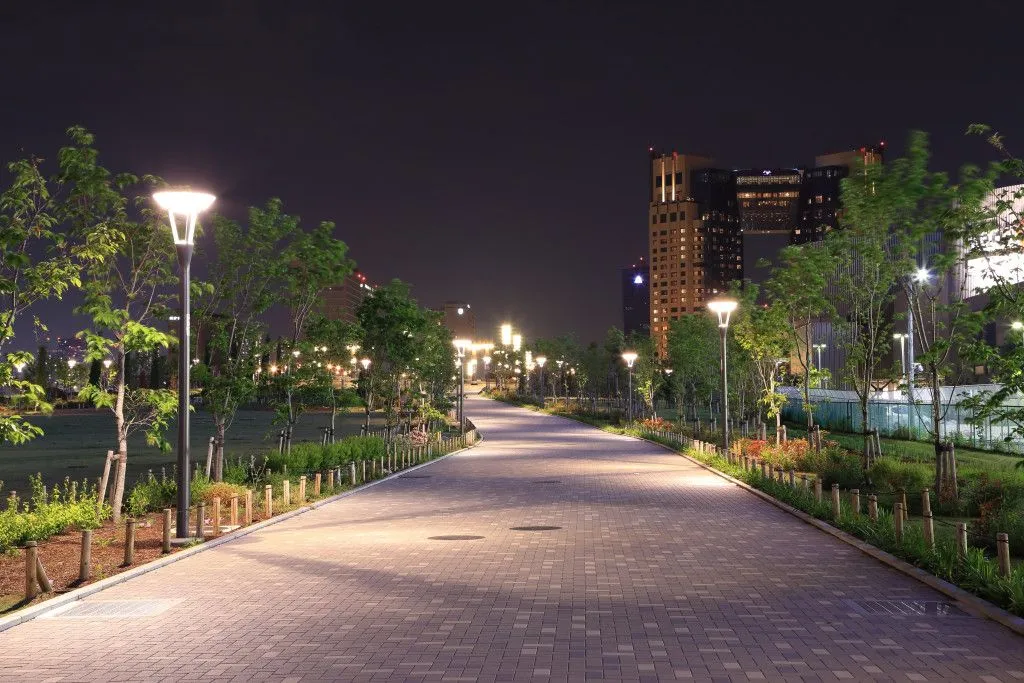
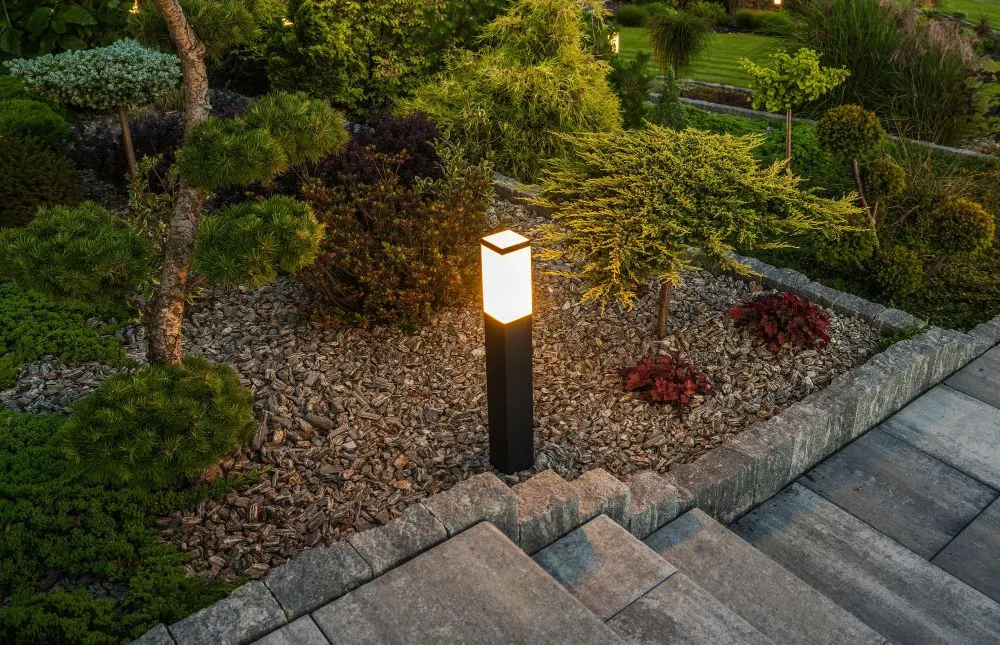
Most human activities require light. In our urbanized and semi-urbanized cities, we artificially light our streets to ward off anti-social elements, and keep shopping malls and promenades lit so we can have fun nights out. We install lights in office buildings, monuments, parks, commercial advertisement boards, shop windows, and flood-lights in sports facilities and other areas, whether we’re using them or if they are devoid of humans. All of this is great… for you and me, at least.
However, we share our cities with more life than just humans. A significant population of life is actually something we’re often blind to: plants!
Just like animals, plants have evolved over millions of years to respond to the day-and-night cycles of the sun. When artificial lights disrupt the natural periods of light and dark, called photoperiod cycles, it affects biological processes in plants and the surrounding ecosystem by disrupting circadian rhythms, phototropism, and pollinator movements.
Light Pollution Is Everywhere!
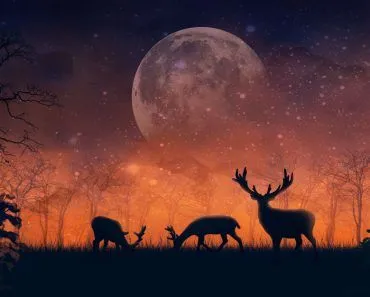
Light pollution is defined as “[…] the alteration of night natural lighting levels caused by anthropogenic sources of light.” During the night, natural lighting comes from the moon, stars, and celestial bodies. However, artificial lights from anthropogenic sources lead to a more artificial glow.
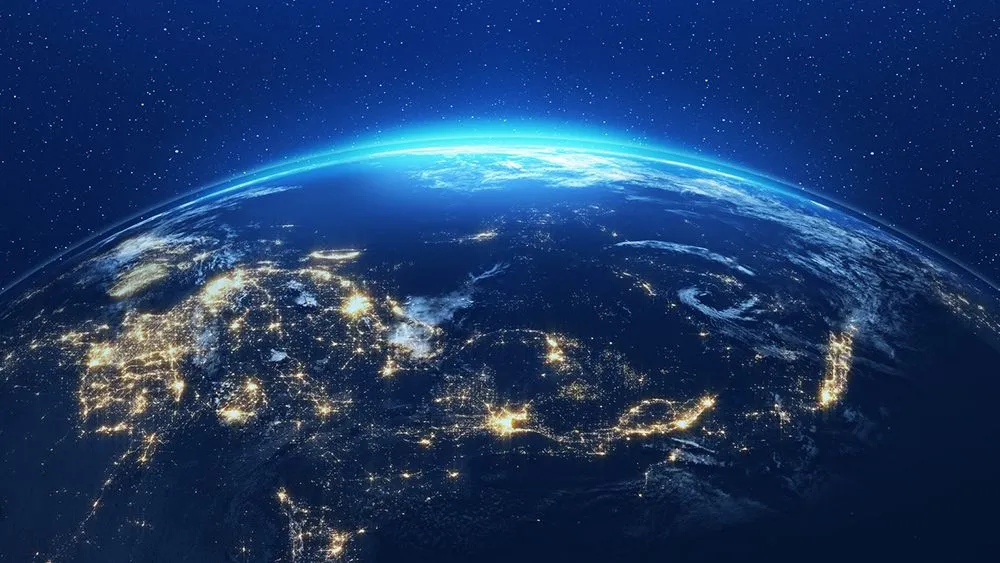
Light pollution is all around us and affects over 80% of the world’s population. This number is much higher for Europe and North America (99%), and is increasing in Asia.
Most artificial lights are present from dusk till dawn, leaving no window of complete darkness.
Why Is The Day/Night Cycle Important For Plants?
For plants, the photoperiods of light and dark are important, but not for sleeping.
Many biological processes in plants have evolved over millions of years based on 24-hour day/night cycles. The activities of certain genes are controlled by the circadian clock and biological functions are separated in time to align with the changes in day and night.
One such key biological function (one that is evolutionarily limited to nighttime) is DNA replication, as this reduces damage to DNA by the sun’s UV light.
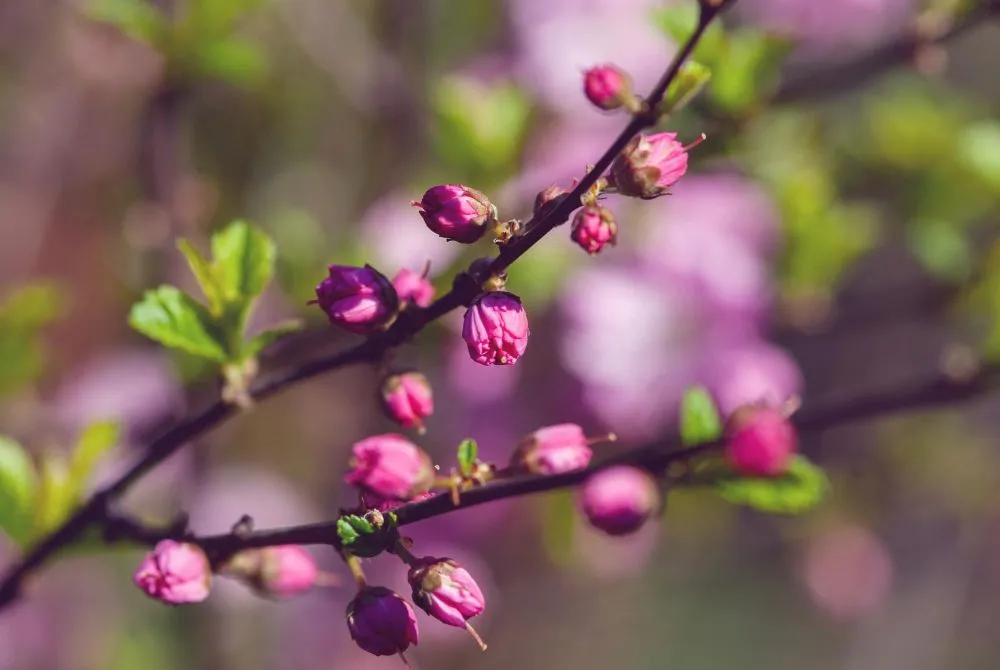
Similarly, photosynthesis, the chemical process through which plants produce food, happens during the day when ample sunlight is available. Plants respond to light and begin growing towards light sources to optimize photosynthesis, a behavior that scientists call phototropism.
Plants perceive light through pigments called phytochromes. Phytochrome exists in two forms: an inactive version called red (Pr) and the active version called far-red (Pfr). When plants absorb light, inactive Pr is converted to the active Pfr, and when it becomes dark again, Pfr is converted back to Pr.
This ratio of Pr to Pfr regulates many plant functions, including bud set, bud burst, and flowering.
The length of the days and nights changes with the seasons, and plants align their processes based on changes in day length. Photoperiodism is the response of plants to the relative duration of day and night. Many plant species go dormant when they perceive shorter days (or longer nights) or winter, and then start flowering when they perceive the longer days of summer.
As you might imagine, artificial lights affect all these functions.
Do Plants Actually Sleep At Night?
If plants do not sleep, why do so many of them appear to nod off after dark? Anyone who has watched clover, tulips or a prayer plant will have noticed that their leaves and flowers fold up at dusk and open again at dawn. Charles Darwin was fascinated by this. In his 1880 book The Power of Movement in Plants, written with his son Francis, he devoted two chapters to what he called the “sleep movements” of leaves, and listed dozens of genera whose foliage droops or folds once night falls.

Botanists still call this behavior nyctinasty, from the Greek word for night. It is a sleep-like rhythm, but it is not sleep in the animal sense. Plants have no brain, no nervous system and no eyelids to close. Instead, the movement is powered by tiny hinge-like swellings called pulvini at the base of each leaf or leaflet. When water is pumped out of the cells on one side of a pulvinus, that side deflates and the leaf droops; when water flows back in, the leaf lifts again. This nightly folding is timed by the plant’s internal circadian clock rather than by the darkness itself, which is why it keeps its rhythm even under constant conditions.
So what does a plant actually do at night? With no sunlight to drive photosynthesis, it relies on respiration, quietly burning the sugars it made during the day to fuel growth and repair. Nighttime is also when many plants carry out DNA replication, safely away from the sun’s damaging ultraviolet rays. In other words, darkness is not downtime for a plant. It is a busy maintenance shift, which is exactly why a street light burning all night can throw the whole schedule off. (For a closer look at the question itself, see our article on whether plants and trees sleep.)
How Does Light Pollution Affect Plants?
In urban and semi-urban areas, the day/night cycle is drastically changed by artificial lights, which has biological consequences.
Photosynthesis requires relatively high light intensities, and in places where plants are exposed to higher light intensities throughout the night, they will continue to photosynthesize in the evenings, leading to oxidative stress and cell death.
Photoperiodism, however, can happen in low intensities. In fact, plants that are classified as short-day plants (such as chrysanthemums) are also long-night plants. Even a transient flash of light during the long night resets the clock and disrupts their flowering pattern.
Artificial lighting changes day length and affects flowering behavior. Plants will continue to detect long days and continue to flower well into winter without becoming dormant. When young trees continue to grow in winter, they are subject to frost damage.
Short-day crops are among the most vulnerable, because their flowering is timed by uninterrupted darkness. Blueberry, for instance, sets its flower buds through a phytochrome-mediated short-day response, so a street light that shortens the night can delay or suppress its bloom. The same logic applies to other photoperiod-sensitive ornamentals and fruiting plants near constant illumination.
The timing of flower opening is also influenced by light. Plants open their flowers when pollinators are most likely to visit the flowers. So, if the plant is pollinated by bees, the flowers remain open during the day. If the plant is pollinated by nocturnal moths, the flowers open at night.
Artificial lights affect various processes in plants, including leaf color and leaf fall (in deciduous trees), opening of leaf and floral buds, growth, and pathogen defense mechanisms.
For example, a study in the UK looked at bud burst timing and light pollution data over 13 years and concluded that bud burst in deciduous trees growing in areas that are illuminated by nighttime lights occurred 7.5 days earlier than in those areas that did not have nighttime artificial lights.
Some cacti only flower at night, so when they are growing under constant artificial lights at night, they may never be able to flower. This will affect not only the survival of the cacti as a species, but also the activities of their nighttime pollinators.
Which Plants Are Most Sensitive To Street Lights?
Not every plant reacts to a street light in the same way. The ones most at risk are the short-day plants, which flower only once nights grow long enough. Because they measure the length of unbroken darkness, even a dim lamp glowing through the night can convince them that the long days of summer have not yet ended and hold back their flowering. Classic short-day species include the florist’s chrysanthemum, the poinsettia, rice and soybean.

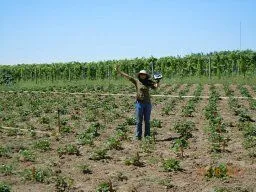
Several popular fruit and ornamental crops fall into this camp. Roselle (Hibiscus sabdariffa), the plant behind hibiscus tea, is a short-day plant that flowers well only when it gets roughly 12 or more hours of darkness, which is why it blooms in the shortening days of autumn. Blueberry sets its flower buds through a similar short-day response, so a nearby street light can delay or reduce its bloom. Many June-bearing strawberries behave the same way.
Long-day plants, such as spinach and radish, sit at the other extreme. They flower when days are long, so extra light at night can trick them into bolting (running to seed) earlier than they should, ruining a leafy or root crop. Day-neutral plants, including tomato and cucumber, judge their timing more by age and size than by day length, so they tend to shrug off a street light. As a rule of thumb, the plants that time their flowering by the calendar of light and dark are the ones a night-long glow disturbs most.
Nighttime Artificial Lights Affect Pollinators
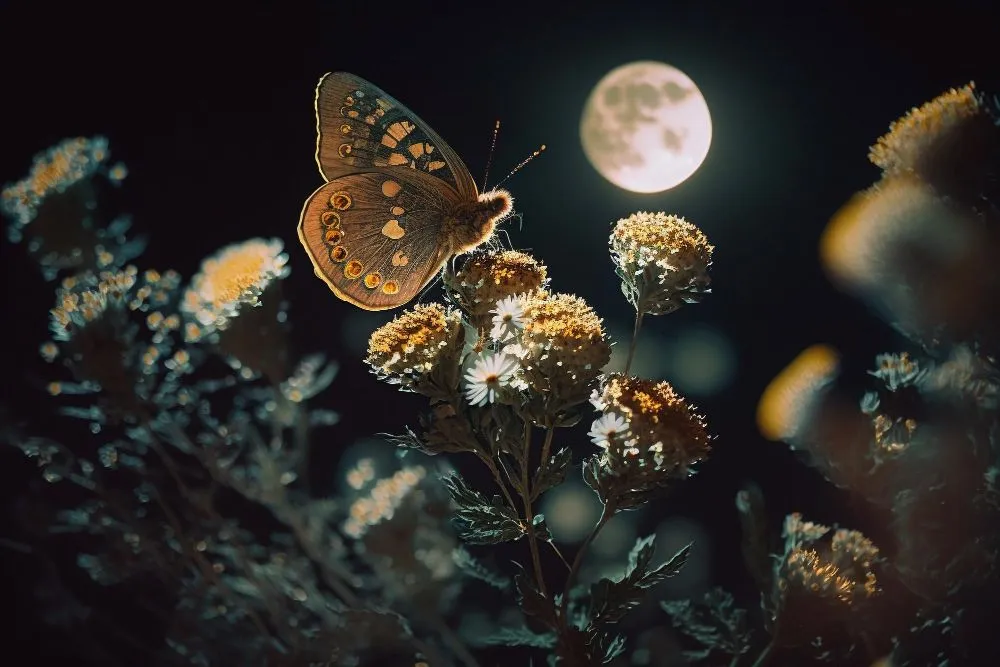
Artificial lights also affect the ecosystem surrounding the plants, especially their pollinators. A study found that the total numbers of moths was 50% reduced in areas lit by artificial lights. At the same time, the number of species of moths was less by 25% and their flight activity was 70% higher. Moths are significant nocturnal pollinators.
Street lights attract moths, so they fly upwards near the light source and away from the plants. Only 23% of the moths carried pollen in the study, resulting in reduced pollen flow and a consequently reduced fruit set. The study concluded that in addition to reduced nocturnal pollination, street lights led to an overall decline in moth populations.
Other studies have shown that artificial lights attract more insect pollinators, but it was unclear whether this translated into more pollination. However, artificial lights reduced the sexual activity of some invertebrates, such as moths and spiders, which will lead to a decline in populations over the long term.
In addition, when fewer pollinators visit plants, the plants start producing less pollen, a problem that also affects daytime pollinator visits.
Nighttime light can disorient birds in their migration routes. This has an effect on bird pollination and bird dispersal of seeds.
Conclusion
Artificial lights in urban areas are often considered to be signs of modernization and development. Many urban areas no longer have access to dark skies with shining stars. Not only do artificial lights deprive us of the finer things in life (such as star gazing), they also have a significant negative impact on nearby plants and the surrounding ecosystems.
References (click to expand)
- Macgregor, C. J., Evans, D. M., Fox, R., & Pocock, M. J. O. (2016, July 12). The dark side of street lighting: impacts on moths and evidence for the disruption of nocturnal pollen transport. Global Change Biology. Wiley.
- Falchi, F., Cinzano, P., Duriscoe, D., Kyba, C. C. M., Elvidge, C. D., Baugh, K., … Furgoni, R. (2016, June 3). The new world atlas of artificial night sky brightness. Science Advances. American Association for the Advancement of Science (AAAS).
- Falcón, J., Torriglia, A., Attia, D., Viénot, F., Gronfier, C., Behar-Cohen, F., … Hicks, D. (2020, November 16). Exposure to Artificial Light at Night and the Consequences for Flora, Fauna, and Ecosystems. Frontiers in Neuroscience. Frontiers Media SA.
- ffrench-Constant, R. H., Somers-Yeates, R., Bennie, J., Economou, T., Hodgson, D., Spalding, A., & McGregor, P. K. (2016, June 29). Light pollution is associated with earlier tree budburst across the United Kingdom. Proceedings of the Royal Society B: Biological Sciences. The Royal Society.
- Light Pollution Harms Plants in the Environment.
- How light pollution disrupts plants' senses. BBC Future.
- Transcriptome-Based Identification of Candidate Flowering-Associated Genes of Blueberry under Short-Day-Length Conditions. International Journal of Molecular Sciences. NCBI PMC.
- Minorsky, P. V. (2019). The functions of foliar nyctinasty: a review and hypothesis. Biological Reviews. NCBI PMC.
- Darwin, C. R., & Darwin, F. (1880). The Power of Movement in Plants. London: John Murray.
- Hibiscus sabdariffa (Roselle). North Carolina Extension Gardener Plant Toolbox, NC State Extension.