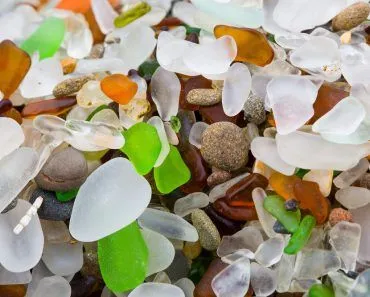
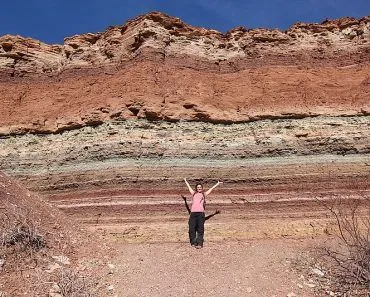
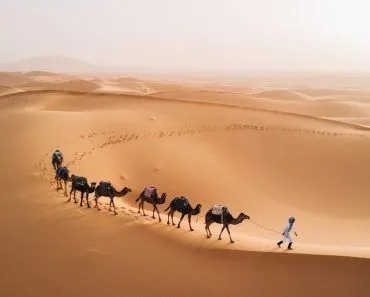
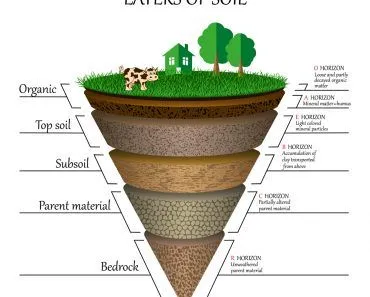
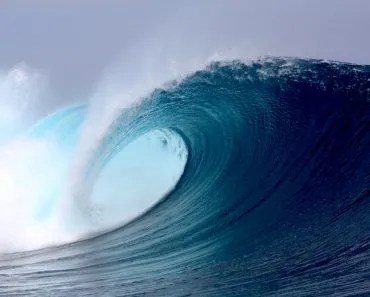
Beach sand mostly comes from two sources. First, rocks on land (especially those rich in quartz and feldspar) are slowly broken down over millions of years by weathering and erosion; rivers then wash the resulting tiny grains down to the coast, where waves redistribute them along the shore. Second, in many tropical regions (notably the Caribbean), much of the sand is crushed-up calcium carbonate, the broken shells and skeletons of marine animals like coral, mollusks and foraminifera.
You can find sand on (almost) every beach in every part of the world. If you’ve ever been to a sandy beach, I bet you took a stroll with bare feet and maybe even made some sand castles. However, during any such outings, have you ever thought about where all that sand actually comes from?
Why Are Beaches Sandy?
Short answer: Sand on beaches around the world comes from the weathering and pulverization of rocks over millions of years, along with fragments of shelled creatures and coral that have been deposited on the coast by the waves.
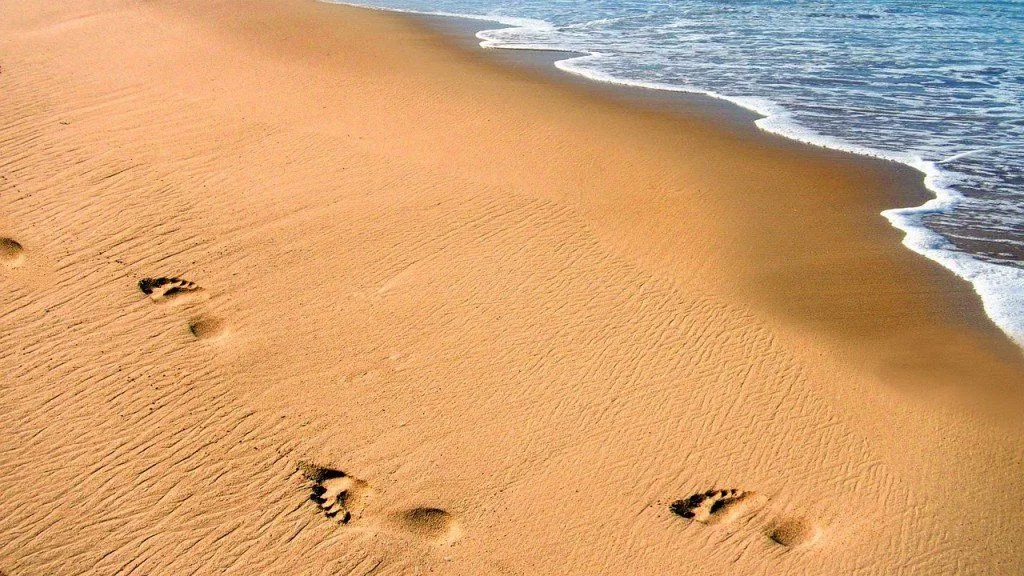
Before we get to the reason for the presence of sand on most beaches, it’s very important to understand what actually constitutes “sand”.
What Is Sand?
First off, you should know that the word ‘sand’ is used in everyday lingo to refer to a type of soil that’s found in beaches and deserts (and contains more than 85% sand-sized particles by mass); however, from a purely geological standpoint, sand is a naturally-occurring granular material that consists of rock and mineral particles that are divided/pulverized in small, very fine fragments.
An individual sand particle is referred to as a sand grain. In geology, a sand grain’s dimensions fall in the range of 0.0625 – 2 millimeters. In terms of sheer size, sand grains lie somewhere between silt and gravel.
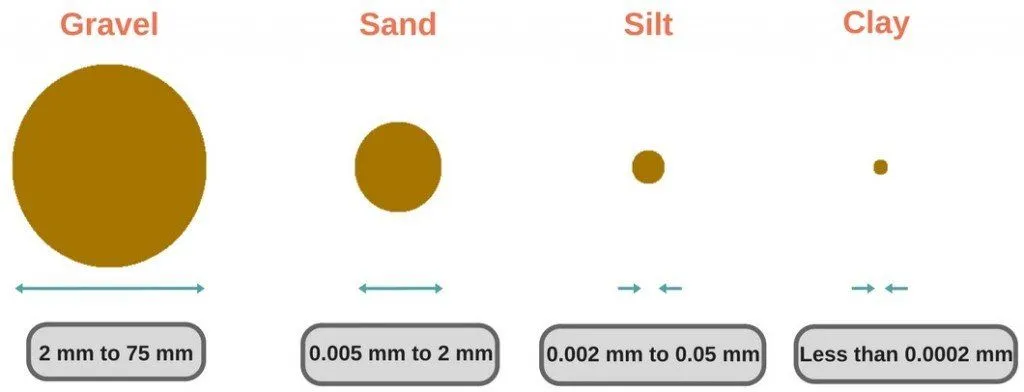
The most common constituent of sand found in inland environments is silica (silicon dioxide, SiO2), usually in the form of quartz. Another very common type of sand consists of calcium carbonate (e.g., aragonite), which forms over a period of millions of years.
Why Is Sand Called “Sand”?
If the word feels almost too plain for something so ancient, that is because it genuinely is old. “Sand” comes to us from the Old English sand, and it has close cousins in nearly every Germanic language: Old Norse sandr, Dutch zand and German Sand all mean exactly what you would expect. Linguists reconstruct a shared Proto-Germanic ancestor behind the whole family, which is why the word has barely changed in well over a thousand years.
Look a little further afield and the trail gets richer. The English word is a cognate of the Ancient Greek psammos (“sand”) and the Latin sabulum (“coarse sand”), the latter giving French sable and Italian sabbia. Some etymologists link this whole cluster of words to a Proto-Indo-European root *bhes-, meaning “to rub” (a fitting image for grains ground down over time), though the deepest origin is genuinely disputed, with several scholars arguing the words were borrowed from older, pre-Indo-European languages. So when you ask why sand is called sand, the honest answer is that people have been calling it something very close to “sand” for about as long as we can trace the word at all.
Why Are So Many Beaches Sandy?
The sand on most beaches around the world is formed from the minerals quartz and feldspar. These minerals, in turn, are formed as a result of millions of years’ worth of weathering and eroding of igneous and metamorphic rocks (although feldspar is also found in some sedimentary rocks).
You see, contrary to what one might believe, not all rocks are made equal when it comes to strength and durability. Some minerals are unstable and decompose, while others are more resistant to erosion and therefore more likely to persist. Quartz and feldspar are examples of such minerals. So, one way that so much sand ends up on beaches is by way of millions of years’ worth of weathering of rocks that are abundant in Earth’s crust.
In addition to that, flowing rivers also continuously erode the land (rocks and other materials), which breaks down rocks into tiny, sand-sized particles.
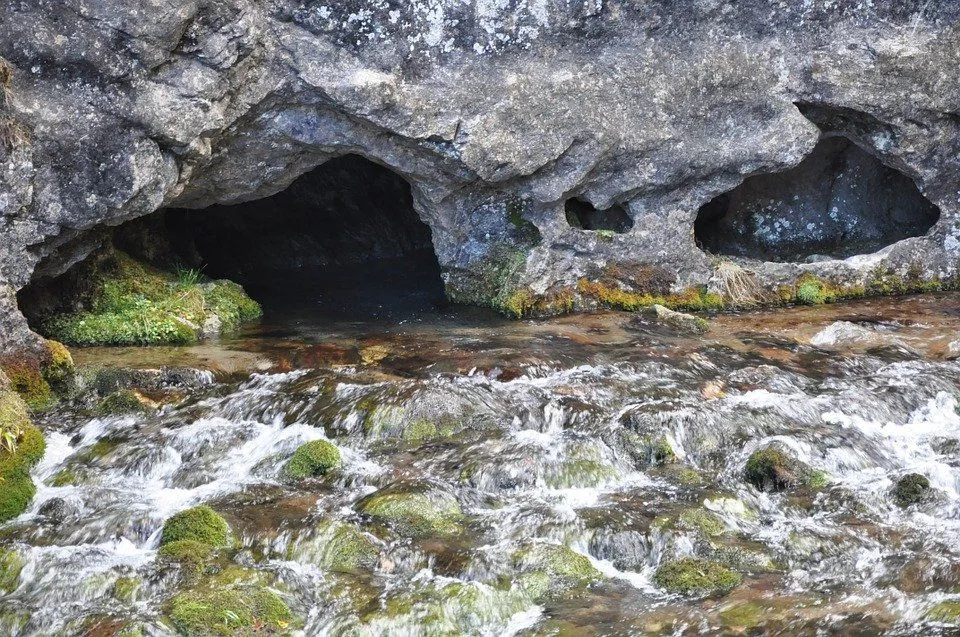
These particles are then carried away by the river, only to be deposited in the sea or ocean where it culminates. Needless to say, this process takes hundreds of thousands of years.
Aragonite, an example of the second most common type of sand, i.e., calcium carbonate, found on Earth, is formed by various forms of life, such as shellfish and coral. This type of sand – the most common type of sand found in the Caribbean region – has been formed over the last half-billion years.
You must have also noticed that not all beaches are sandy. Some are more pebbly, while certain others even feature rocks and boulders. This is because the type of sand found on a beach is mainly impacted by the size of the materials on the beach and the height (energy) of the waves. As a general rule of thumb, beaches with pebbles or coarse sand are very young, while beaches with fine sand are older.
Why Are Certain Beaches Colored?
The color of any beach, more specifically, the color of the sand on any beach, depends on the material that formed the sand (e.g., eroded parent rocks) and the local geological conditions.
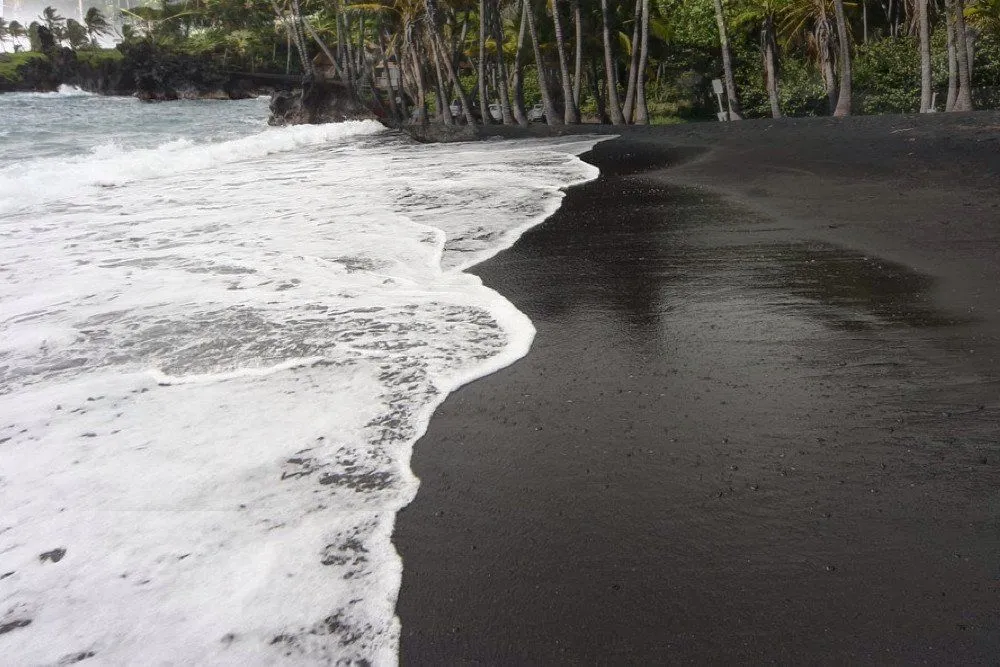
The most common type of color for beaches is the characteristic light brown, which comes from the iron staining in quartz and iron oxide in feldspar, the two most common constituents of sand found on most beaches. Black-colored sand on some beaches (like Punaluu Black Sand Beach in Hawaii) is formed by the eroded basalt – lava from the volcanoes.
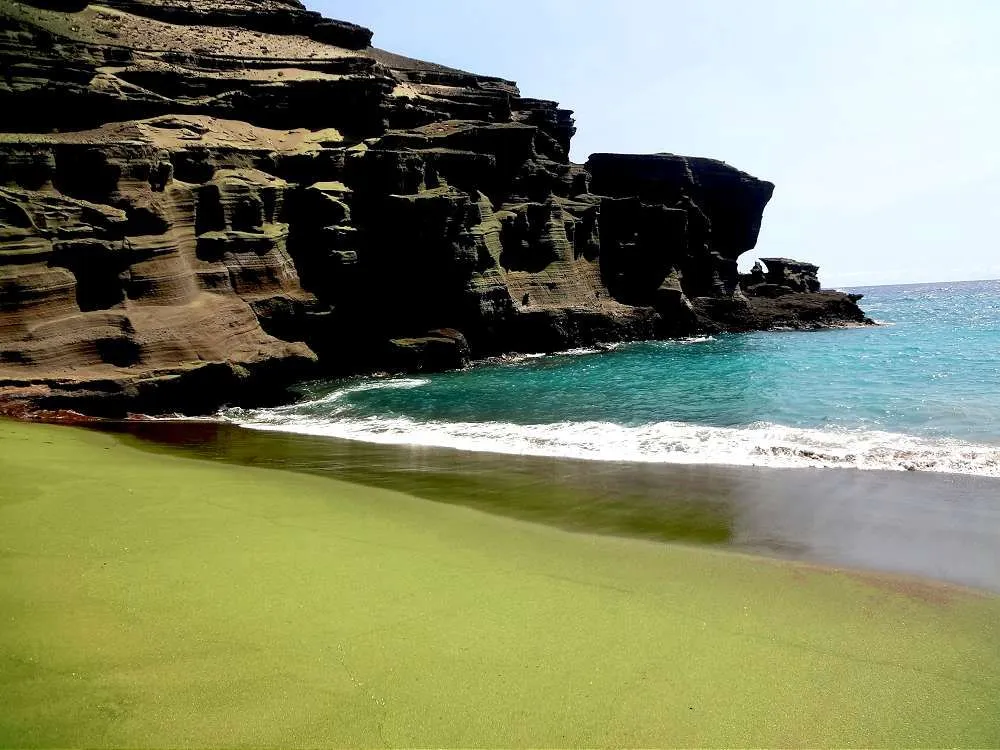
Similarly, the green color of certain beaches is attributed to an olive-green mineral called olivine, which is found abundantly in basalt in certain parts of the world.
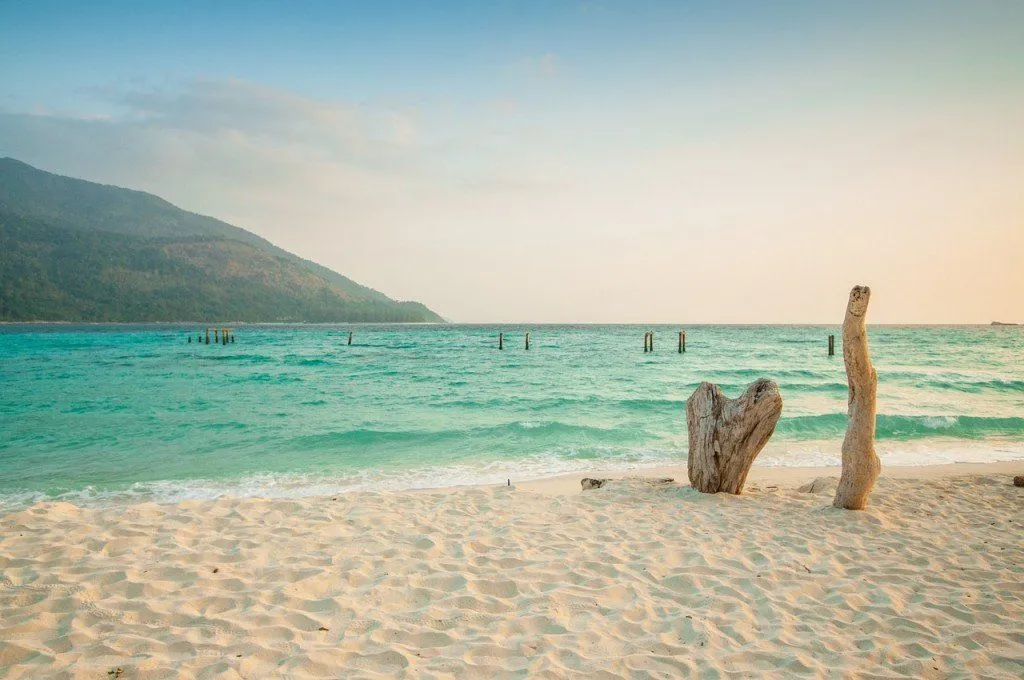
White-sand beaches owe their color to the pulverized pieces of dead coral (coral skeleton is made of calcium carbonate and is therefore white).
Do Parrotfish Really Make Sand?
Here is one of the stranger truths about a tropical beach: a good deal of that soft white sand did not come from a rock at all. It came out of a fish. On a healthy coral reef, parrotfish spend their days biting and scraping at the coral to reach the algae growing on and inside it. They cannot digest the hard skeleton itself, so they grind up the calcium-carbonate coral in their guts and pass it straight out as clean, pale sand.

The quantities are not trivial. According to the U.S. National Oceanic and Atmospheric Administration (NOAA), a single large parrotfish can produce more than 100 kilograms (several hundred pounds) of sand every year, which means the postcard beaches of the Caribbean and the Pacific are, in part, quietly manufactured by fish. Other creatures leave their mark too: the pink-tinged beaches you find in places like Bermuda owe their blush to foraminifera, tiny single-celled organisms whose reddish shells wash up and mix into the sand.
How Much Sand Is There On A Beach?
Standing on a wide beach, it is tempting to ask a childlike question: exactly how many grains are under your feet? Nobody has counted them, of course, but scientists rather enjoy trying to estimate it. If you assume that a typical grain is about a millimeter across, that a cubic meter of beach holds roughly a billion grains, and that the world has around 2.5 million kilometers of shoreline (of which perhaps 30% is genuinely sandy), the numbers get dizzying very quickly.

Working through exactly that back-of-the-envelope calculation, Scientific American put the total at around 4 × 10²⁰ grains, or roughly 400 quintillion, for all the world’s beaches combined. To put that in perspective, it is about 20 times the estimated number of stars in the observable universe. And that is a deliberately cautious figure: because real beaches contain plenty of much finer grains, the true count could be many times higher still. So the next time someone tells you a task is like counting grains of sand, you will know just how hopeless the job really is.
It’s often said that beaches are like fingerprints; they might appear similar from the outside, but when properly scrutinised, every beach is unlike any other beach in the world. One final, more sobering footnote: sand is now the second-most consumed natural resource on Earth after water, with roughly 50 billion tonnes of sand and gravel mined every year (UN Environment Programme, 2022), mostly for concrete, glass and land reclamation. Unsustainable beach and river sand mining has emerged as a major environmental and social problem in many countries, since the kind of rounded sand grains used in construction take geological timescales to form and can’t simply be replaced by desert sand.
References (click to expand)
- Sand - Wikipedia. Wikipedia
- Grain size - Wikipedia. Wikipedia
- Beach - Wikipedia. Wikipedia
- Feldspar - Wikipedia. Wikipedia
- Sand Movement | Explore Beaches. The University of California, Santa Barbara
- Sand and Sustainability: 10 Strategic Recommendations to Avert a Crisis. UN Environment Programme (2022).
- Sand - Etymology, Origin & Meaning. Online Etymology Dictionary
- How Does Sand Form? National Ocean Service, NOAA
- Do Stars Outnumber the Sands of Earth’s Beaches? Scientific American