Chili plants evolved to be spicy because capsaicin, the compound behind the heat, deters seed-destroying mammals, insects, and fungi while leaving birds unaffected. Birds lack the receptor that senses capsaicin, so they eat the fruits and disperse the seeds intact. The result is a targeted defense that protects seeds yet still gets them spread.
Every plant has a different medium for seed dispersal. Some plants need the help of abiotic factors, like wind and water. These fruits are lightweight and can have structures to aid distribution, such as pappus in dandelions.
At the same time, other plants produce delicious fruits to draw in animals. These animals feed on the fruits and, in return, help the plants with seed dispersal.
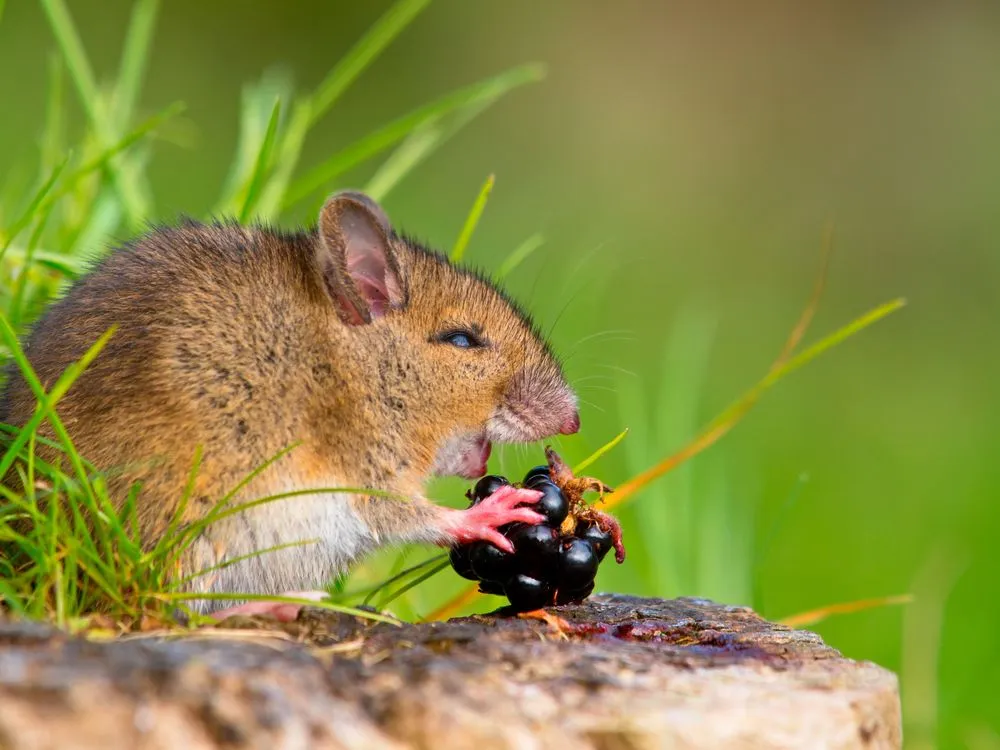
However, chili plants follow neither of these techniques. Instead, they produce fruits packed with burning hot capsaicin that repels most animals. Why would these plants take such a seemingly self-defeating path, when most plants do the opposite?
Is A Chili A Fruit Or A Vegetable?
We keep calling chilies “fruits,” and you might be wondering how that squares with the green chilies you chop into a stir-fry as if they were any other vegetable. So which is it, really?

To a botanist, the answer is settled: a chili is a fruit. A fruit is simply the seed-bearing part that grows from the ovary of a flower, and that is exactly what a chili is. Every pod begins as a small flower, and once that flower is pollinated, the pod swells straight out of it. Slice one open and the seeds inside give the game away. Chilies even belong to a specific kind of fleshy, many-seeded fruit that botanists call a berry, the same group that includes tomatoes, grapes and eggplants.
So why do we shelve them with the vegetables? Because “vegetable” isn’t a botanical category at all. It’s a kitchen word for any savory plant part we cook with, whether that is a root, a stem, a leaf or, yes, a fruit. Chilies end up in curries and salsas rather than desserts, so cooks simply file them under vegetables. Both labels are right; they just come from different worlds, one from the flower and one from the frying pan.
What Is Capsaicin?
Capsaicin is the active phenolic compound found only in the fruits of Capsicum plants, the genus that includes every true chili. It is an oil-like molecule that activates the thermal and pain receptors of most animals, giving them a burning sensation the moment they bite in. Not every Capsicum fruit is fiery, though: sweet bell peppers are varieties of Capsicum annuum that have lost the ability to make capsaicin, which is why they taste mild.
Capsaicin glands are present in the placenta (not like the ones mammals have) of the fruits. Since the seeds are attached to the placenta, they get some capsaicin brushed on them.
Now, if you’re wondering what a placenta looks like, you can take any chili fruit and cut it in half. There will be a structure that holds the seeds. That’s the placenta, where capsaicin glands are found!

Benefits Of Hot Chili Fruits
Many fungi are pathogenic to chili plants. They infect fruits punctured by insects and cause the seeds to rot even before they germinate. The chili plant need not worry, because capsaicin has antifungal properties, protecting it from potential fungal infections.
A landmark study of wild chilies looked at the effect of capsaicin on Fusarium, the prime fungal pathogen that kills chili seeds before they can germinate, and found that capsaicin inhibited Fusarium growth by 33% (a related capsaicinoid, dihydrocapsaicin, knocked it back further). Tellingly, the chili populations that faced the heaviest insect damage, which is what opens the door for the fungus, were also the ones with the most pungent plants.
Next, these spicy fruits also defend their plants against insects. Insects feed on the pods of the plant and damage them. The holes can end up acting as entry channels for pathogens. The capsaicin in fruits is toxic to insects and limits their infestation.
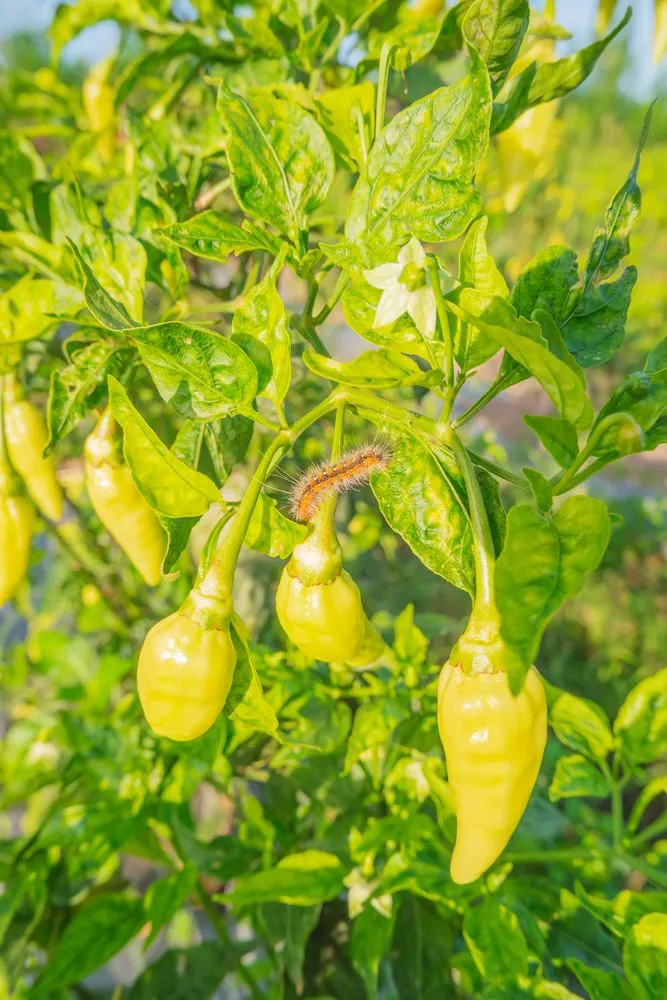
At last, mammals chew the food they consume. For the sensitive chili seed coat, all that forceful munching of herbivores damages the seeds, to the extent that they will fail to germinate. The spicy capsaicin deters many mammals from eating chili fruits. Although humans love the kick that hot fruits give, other mammals avoid them.
If capsaicin is so beneficial, why don’t all plants produce it?
Well, making capsaicin is expensive: it costs the plant energy and a large amount of nitrogen. On top of that, pungent chili plants carry roughly 40% more stomata (the tiny pores on a leaf) than their mild relatives, likely because the same genetic pathway governs both spiciness and stomata. More stomata means a higher transpiration rate, so pungent chili plants lose more water than non-spicy fruiting plants do.
This need seems fine when water is in surplus, but if drought prevails, these plants cannot meet their water demands. Thus, they will show a reduced number of seeds or less capsaicin in the fruits. In contrast, non-spicy plants don’t need to compromise on seed production during droughts. They thrive well and will show a standard range of seeds.
How Are Chili Seeds Dispersed?
For chili seeds, a perfect seed disperser shouldn’t crush the seeds, damage the rest of the plant, or transmit diseases. The only animals that fulfill these criteria are birds!
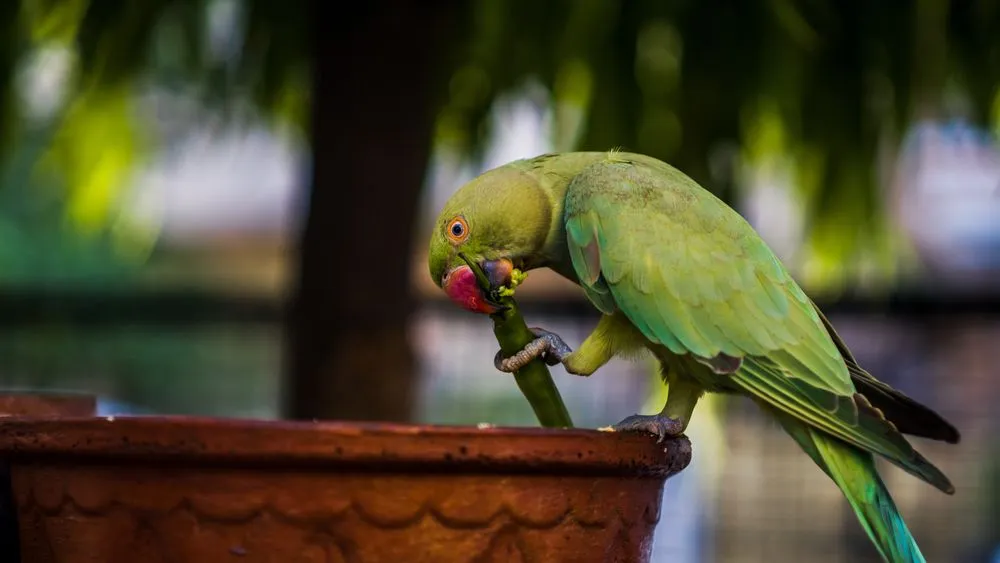
Birds don’t have receptors for capsaicin. No receptor means no burning sensation. They don’t feel the spiciness at all, whether it is ghost peppers or jalapeños!
When birds consume chili fruits, the seeds pass through their digestive tract unharmed. Along the way, the seeds lose volatile compounds that attract seed predators like ants, and the load of pathogenic fungus on the seeds is also reduced by this gut action. In other words, a trip through a bird isn't just free transport for the seed, it leaves the seed cleaner and better protected than when it started.
Are Chilies The Only Spicy Plants?
If capsaicin is such a clever defense, you might expect it to be a chili exclusive. It isn’t. Several unrelated plants have landed on the same strategy of loading their tissues with a burning or biting chemical, yet not one of them settled on capsaicin. Each lineage evolved its own molecule to do the same job of driving off animals and microbes.

Black pepper, the everyday spice ground from Piper nigrum, gets its bite from a compound called piperine, while ginger’s warmth comes from gingerol. Both molecules poke at the very same heat-and-pain receptor, TRPV1, that capsaicin does, which is why all three register as “hot.” Mustard, horseradish and wasabi play a sneakier game: they keep a harmless compound (a glucosinolate such as sinigrin) in one part of the cell and an enzyme called myrosinase in another. Crush the tissue, the two meet, and the reaction releases allyl isothiocyanate, the sharp “mustard oil” that stings the back of your nose. Storing the ingredients apart until something takes a bite is a tidy way for the plant to avoid poisoning itself.
Sichuan pepper is the real oddball. Instead of straightforward heat, it delivers a fizzing, numbing tingle that Chinese cooks call ma, courtesy of a molecule named hydroxy-alpha-sanshool. Rather than firing the usual heat receptors, it jams tiny potassium channels in your touch-sensing nerves, making them buzz as though something is lightly vibrating against your tongue. Different plant, different chemical, different sensation, but the evolutionary punchline is the one that made chilies spicy in the first place: make yourself unpleasant to eat, and fewer things will eat you.
Conclusion
A chili plant’s spicy fruits defend it from diseases, insects, and mammals. However, oddly enough, the burn triggers a release of endorphins, our natural feel-good hormones, so the very pain that is meant to deter seed predators is exactly what keeps us coming back for more.
Whatever your spice level, capsaicin benefits chili plants, because, in the end, we breed a significant number of chili varieties for their spicy fruits!
References (click to expand)
- The Complicated Evolutionary History of Spicy Chili Peppers. Harvard University
- Fricke, E. C., Simon, M. J., Reagan, K. M., Levey, D. J., Riffell, J. A., Carlo, T. A., & Tewksbury, J. J. (2013, June 21). When condition trumps location: seed consumption by fruit‐eating birds removes pathogens and predator attractants. (D. Hosken, Ed.), Ecology Letters. Wiley.
- Airborne gut action primes wild chili pepper seeds | UW News. The University of Washington
- New research illustrates how birds help to produce rare wild .... Iowa State University of Science and Technology
- Tewksbury, J. J., Reagan, K. M., Machnicki, N. J., Carlo, T. A., Haak, D. C., Peñaloza, A. L. C., & Levey, D. J. (2008, August 19). Evolutionary ecology of pungency in wild chilies. Proceedings of the National Academy of Sciences. Proceedings of the National Academy of Sciences.
- Evolutionary ecology of pungency in wild chilies. Proceedings of the National Academy of Sciences (PMC, NIH).
- Is a pepper a fruit or a vegetable, and why? European Food Information Council (EUFIC).
- Okumura, Y., et al. (2010). Activation of TRPV1 and TRPA1 by Black Pepper Components. Bioscience, Biotechnology, and Biochemistry.
- Structural mechanisms underlying activation of TRPV1 channels by pungent compounds in gingers. British Journal of Pharmacology (PMC, NIH).
- Allyl Isothiocyanate. Molecule of the Month, School of Chemistry, University of Bristol.
- Bautista, D. M., et al. (2008). Pungent agents from Szechuan peppers excite sensory neurons by inhibiting two-pore potassium channels. Nature Neuroscience.